
Top Best Practices for Optimal Oral Hygiene
Essential Oral Hygiene Tips
Maintaining optimal oral hygiene supports overall health and well‑being. This article summarises evidence‑based daily routines, product guidance for cavity prevention, and practical approaches for sensitivity, dental anxiety and fresh breath. Following clear, consistent advice reduces common errors and helps preserve healthy teeth and gums.
What Is the Ideal Daily Oral Hygiene Routine for Healthy Teeth?
A simple, effective routine prevents most dental disease: brush twice daily, floss once daily and attend regular dental check‑ups. These actions remove plaque, lower cavity risk and protect periodontal tissues. Consistency is the primary determinant of long‑term oral health.
For patients who need extra reassurance, New Sham Dental uses gentle clinical techniques for anxious adults and children, creating a comfortable setting that supports ongoing hygiene.
How Often and How Should You Brush Your Teeth?
Brush at least twice daily (morning and before bed) with a soft‑bristled toothbrush. Angle the brush toward the gumline and use gentle circular motions for about two minutes to dislodge plaque and debris while protecting the gums.
What Are the Best Flossing Methods for Effective Plaque Removal?
Floss once daily to remove interdental plaque that a brush cannot reach. Waxed dental tape reduces shredding; guide the floss up and down each tooth and slightly beneath the gumline to lower cavity and periodontal risk.
Which Toothpaste and Mouthwash Are Best for Cavity Prevention and Fresh Breath?
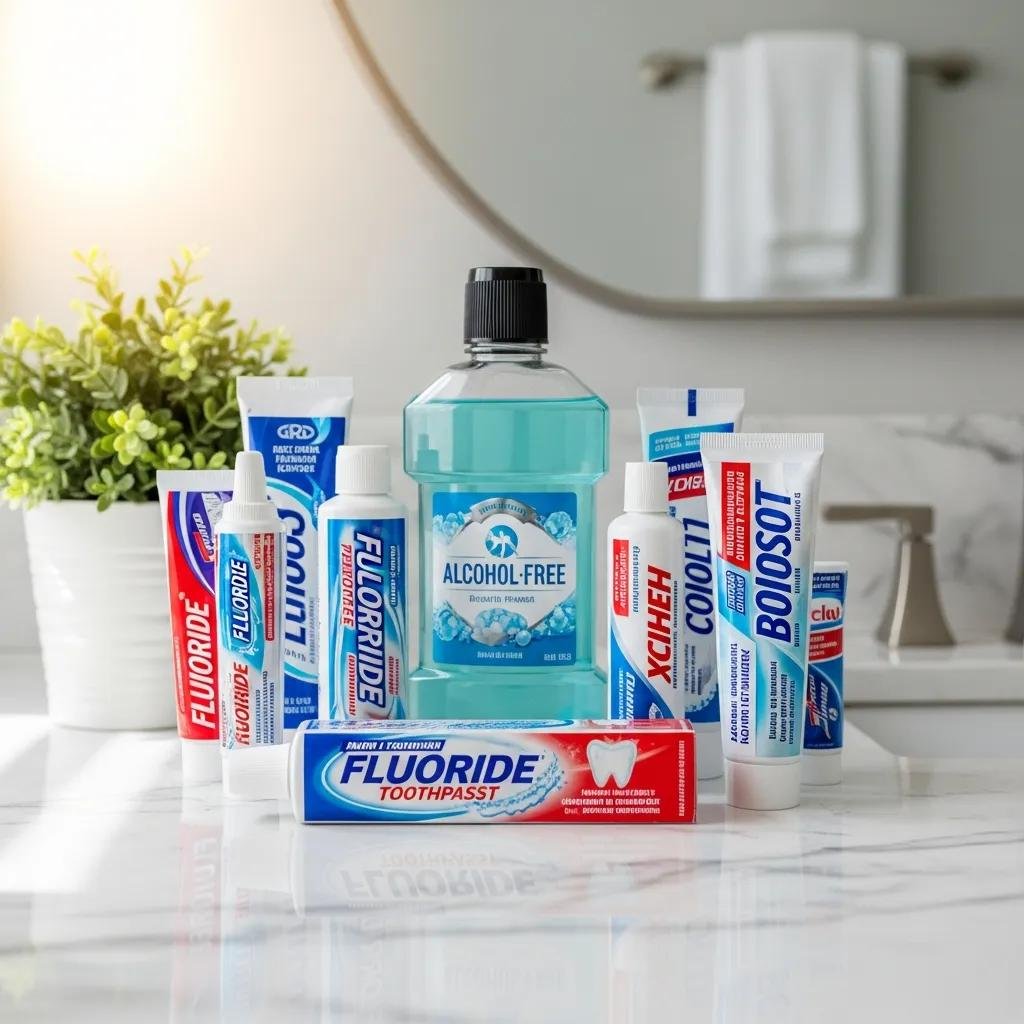
Choose fluoride toothpaste to strengthen enamel and reduce caries risk; an antibacterial mouthwash can support mechanical cleaning by reducing plaque and gingivitis. Match products to the individual’s needs, for example preferring alcohol‑free mouthwash for sensitive gingiva.
What Are the Benefits of Fluoride Toothpaste for Cavity Prevention?
Fluoride reinforces enamel and enhances remineralisation of early lesions, lowering cavity incidence—an effect important for children and adults alike. Regular fluoride use as part of daily care increases resistance to decay.
Fluoride’s Role in Caries Prevention & Daily Oral Hygiene
Dental caries has declined in the 40 years since fluoridated toothpastes were introduced. Much has been learned about why fluoride is so effective and how this knowledge can be used to optimise programmes for caries prevention. Fluoride works through enhancing the remineralisation of early stages of caries and by inhibiting demineralisation, which would lead to dental caries. Fluoride availability throughout the day is important; this can be achieved when fluoride products are used as part of the daily hygiene routine (F-brushing or rinsing).
Contemporary perspective on the use of fluoride products in caries prevention, 2013
How to Choose the Right Mouthwash for Sensitive Teeth and Long-Lasting Freshness?
Prefer mouthwashes that contain fluoride and are alcohol‑free if sensitivity or dry mouth is an issue. Alcohol‑free formulas are less irritating, help preserve oral moisture and better support breath freshness; look for products labelled for sensitivity relief when needed.
How Can You Manage Oral Care for Sensitive Teeth and Anxious Patients?
Care for sensitive teeth and anxious patients should be gentle and patient‑centred. Use soft‑bristled brushes and toothpaste formulated for sensitivity; create a calm clinical environment and communicate clearly to reduce fear and improve cooperation.
Open discussion of concerns and preferences increases comfort and adherence, helping patients maintain regular home care and build trust with their clinician.
What Gentle Care Techniques Help Reduce Dental Anxiety?
Child‑centred explanations, age‑appropriate communication and positive reinforcement improve cooperation. For severe anxiety, sedation options may be considered after discussing risks and benefits with the patient or caregiver.
Which Oral Care Products Are Recommended for Sensitive Gums and Teeth?
Use a soft‑bristled toothbrush and a fluoride toothpaste formulated for sensitivity for symptomatic relief. An alcohol‑free mouthwash designed for sensitive gingiva can maintain oral health without irritation.
What Are Effective Strategies to Maintain Fresh Breath All Day?

Fresh breath depends on regular cleaning and sensible choices: brush twice daily, floss, stay hydrated and limit odour‑promoting foods. Saliva is a natural cleanser—chewing sugar‑free gum can stimulate flow and help neutralise odors.
How Does Diet and Hydration Influence Breath Freshness?
A diet rich in fruits and vegetables supports oral health; high sugar and acidic foods encourage bacterial growth and malodour. Regular fluid intake clears particles and maintains saliva production, reducing the risk of unpleasant breath.
What Daily Habits Support Long-Lasting Fresh Breath?
To support long‑lasting fresh breath, adopt consistent habits:
- Brush Twice Daily: Remove plaque and food particles.
- Floss Daily: Clear debris between teeth.
- Stay Hydrated: Water helps wash away food and supports saliva.
- Avoid Tobacco Products: Tobacco worsens breath and oral health.
- Regular Dental Check-Ups: Professional care finds and treats underlying causes.
Routine application of these measures helps preserve oral hygiene and breath freshness throughout the day.
Frequently Asked Questions
What are the signs of poor oral hygiene?
Common signs include persistent bad breath, red or bleeding gums and visible decay. Plaque appears as a sticky film; ongoing sensitivity or chewing pain warrants a dental assessment.
How often should I visit the dentist for check-ups?
Most people benefit from at least two dental reviews per year for professional cleaning and early detection of caries or gum disease. Those with higher risk may need more frequent visits as advised.
Can diet affect my oral health?
Yes. A balanced diet with fruits, vegetables and limited sugary or acidic foods supports teeth and gums. Adequate hydration aids saliva production, which neutralises acids and clears debris.
What should I do if I have persistent bad breath?
Start by improving home care—brush, floss and try an antibacterial mouthwash. If halitosis continues, see a dentist to rule out periodontal disease, caries or dry mouth and review diet and hydration.
Are there specific products for children’s oral care?
Use fluoride toothpaste formulated for children, small‑headed soft toothbrushes and supervise brushing to ensure correct technique and prevent swallowing of toothpaste. Child‑friendly flavours and positive routines encourage good habits.
How can I help my child overcome dental anxiety?
Explain procedures simply, role‑play visits to familiarise them, use positive reinforcement and choose child‑centred practices that focus on gentle care. Comfort items and open communication also help reduce fear.
Conclusion
Consistent brushing, flossing and appropriate product choices are the foundation of oral health. Applying these practical strategies reduces dental disease risk, freshens breath and supports a brighter smile. For personalised recommendations or products, consult your dental team.