
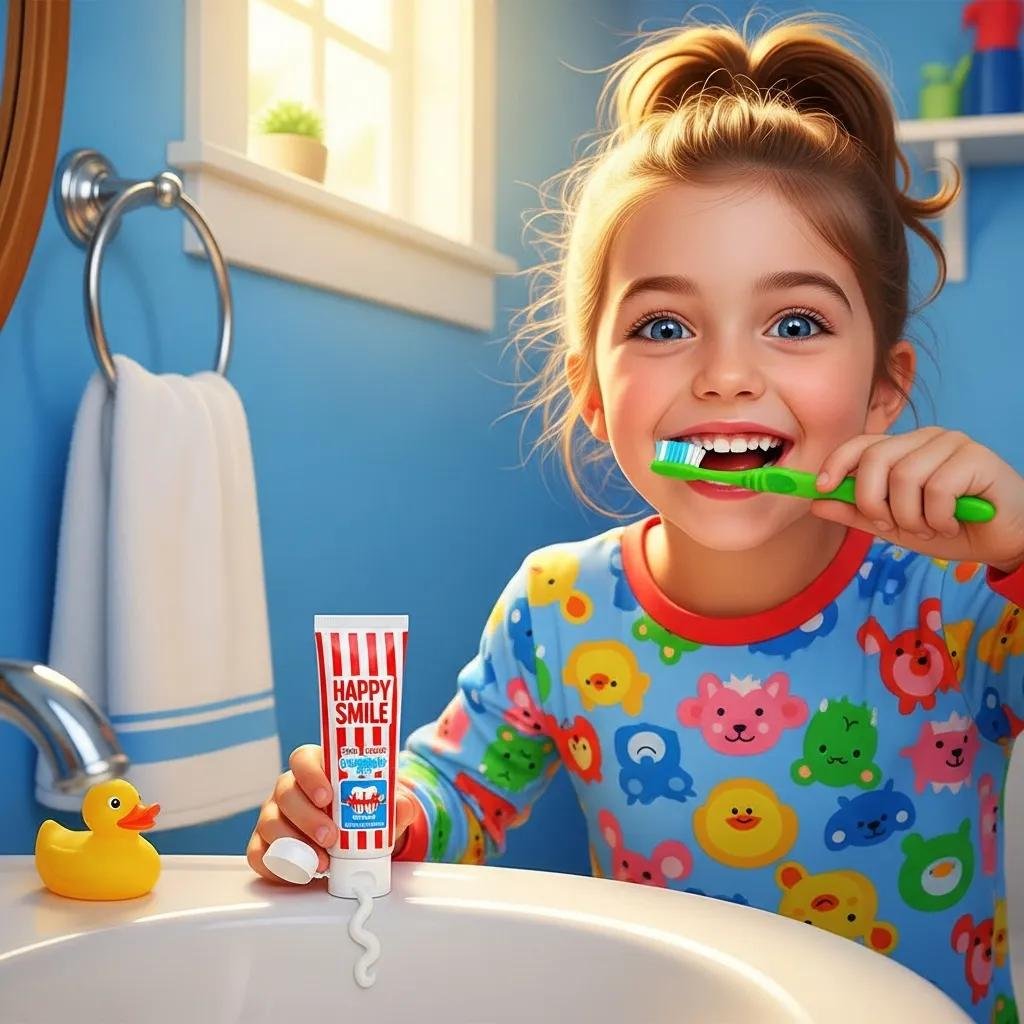
Tips for Preventing Cavities in Children
Smart Dental Tips for Kids
Cavities are among the most common dental problems affecting children and can cause discomfort and more serious health issues if left untreated. Preventing cavities requires informed action by parents and caregivers. This article provides practical guidance on maintaining children’s oral hygiene, the role of a cavity-prevention diet, and methods to manage dental anxiety at the dentist. Applying these strategies helps keep your child’s oral health a priority, reduce cavity risk, and support a lifetime of healthy smiles.
What Are the Best Daily Dental Hygiene Practices for Children?
Daily dental hygiene is essential to prevent cavities in children. A consistent routine removes plaque and food debris that contribute to tooth decay. Core practices include brushing twice daily with fluoride toothpaste, regular flossing, and routine dental check-ups. These measures promote healthy teeth and help children adopt responsible oral-care habits.
How to Teach Proper Brushing and Flossing Techniques to Kids
Teaching proper brushing and flossing is vital for effective care. Parents should demonstrate circular brushing for at least two minutes, ensuring all surfaces of each tooth are cleaned. Introduce flossing once two teeth contact, using a gentle sawing motion to protect the gums. Maintain consistency and positive encouragement to integrate these behaviours into the child’s daily routine.
Which Toothpaste Is Best for Kids to Reduce Cavities?
Select an age-appropriate fluoride toothpaste for children. Fluoride strengthens enamel and reduces cavity risk. Choose products formulated for children, which commonly feature child-friendly flavours and packaging. Supervise young children while they brush to ensure they use an appropriate amount of toothpaste and do not swallow it.
How Can Healthy Diet and Snacks Help Prevent Toddler Tooth Decay?
A balanced diet plays a significant role in preventing toddler tooth decay. Limiting sugary snacks and beverages lowers cavity risk. Encourage tooth-friendly foods such as crunchy fruits and vegetables, dairy products, and whole grains, which both nourish the child and can help clean teeth naturally.
Research further supports the link between a child’s diet and their susceptibility to cavities.
Tooth-Friendly Diets for Early Childhood Caries Prevention
1. A health-promoting and tooth-friendly diet can reduce the risk factors associated with early childhood caries (ECC) and promote overall health in children. This study aimed to identify dietary habits and feeding practices and their associations with ECC among 1–5-year-olds in Iran.
Dietary patterns and their associations with the occurrence and severity of early childhood caries among 1–5-year-olds in Iran: A multicenter cluster randomized …, S Razeghi, 2025
What Are Tooth-Friendly Snack Ideas for Children?

Tooth-friendly snacks can be nutritious while appealing to children. Consider options such as crunchy vegetable sticks, fruit slices, and small portions of cheese that support dental health.
- Carrot Sticks: Crunchy and fibrous, they help clean teeth while providing essential vitamins.
- Apple Slices: The natural sweetness satisfies cravings while promoting saliva production, which helps neutralize acids.
- Cheese Cubes: Rich in calcium, cheese can help strengthen teeth and reduce cavity risk.
Including these snacks in your child’s diet can support dental health and make healthy eating more appealing.
How Does Sugar Intake Affect Cavity Risk in Kids?
Sugar consumption is a key factor in cavity formation. Oral bacteria metabolize sugars and produce acids that erode tooth enamel. The frequency of sugar exposure matters: frequent snacking on sugary foods increases cavity risk. Educating children on sugar’s effects supports better dietary choices.
What Are the Signs of Early Cavities and When Should Children See a Dentist?
Recognizing early signs of cavities enables timely intervention. Symptoms may include persistent tooth pain, sensitivity to hot or cold, and visible holes or dark spots on teeth. Parents should monitor their children’s oral health and schedule a dental visit if any of these signs occur. Regular examinations are important for early detection and prevention of more serious issues.
Understanding these indicators is important, as dental research highlights rapid progression of cavities in young children and the lasting significance of primary teeth.
Early Signs of Cavities & Importance of Baby Teeth
1. Ever spotted little white or dark marks on your child’s teeth? A lot of parents think it is nothing, but those spots could actually be early signs of tooth cavities. Cavities can show up pretty fast in kids under six, and if they are left untreated, they can cause pain, infection, or even swelling. 2. So, why do baby teeth matter if they are just going to fall out anyway? Baby teeth help children chew food properly, learn to speak and keep space for adult teeth. If they get damaged or lost too early, it can cause eating difficulties, speech issues or crooked teeth later on. (2)
Tooth cavities in baby under 6 years old-Home Care and Dental Visit
How to Recognize Early Symptoms of Cavities in Children
Early cavity symptoms may be subtle yet require attention. Common indicators include:
- Sensitivity: Complaints of pain when eating hot, cold, or sweet foods.
- Visible Discoloration: Dark spots or white patches on teeth.
- Behavior Changes: Reluctance to eat or touch certain areas of the mouth.
Remaining vigilant for these signs enables parents to seek timely dental care.
How Often Should Kids Have Dental Check-Ups for Cavity Prevention?
Children should have dental check-ups at least every six months, beginning at their first birthday or when the first tooth erupts. Regular visits allow the dentist to monitor oral development, provide professional cleanings, and apply preventive treatments such as fluoride varnishes and dental sealants. These measures can substantially reduce cavity risk and support overall oral health.
Identifying and Treating Early Cavities in Children
Dental anxiety is common among children and can impede their willingness to attend necessary dental care. Addressing anxiety is essential to ensure they receive routine check-ups and treatments. Parents should prepare children for visits and explain what to expect in a calm, reassuring manner.
What Techniques Help Anxious Children Feel Comfortable During Dental Visits?
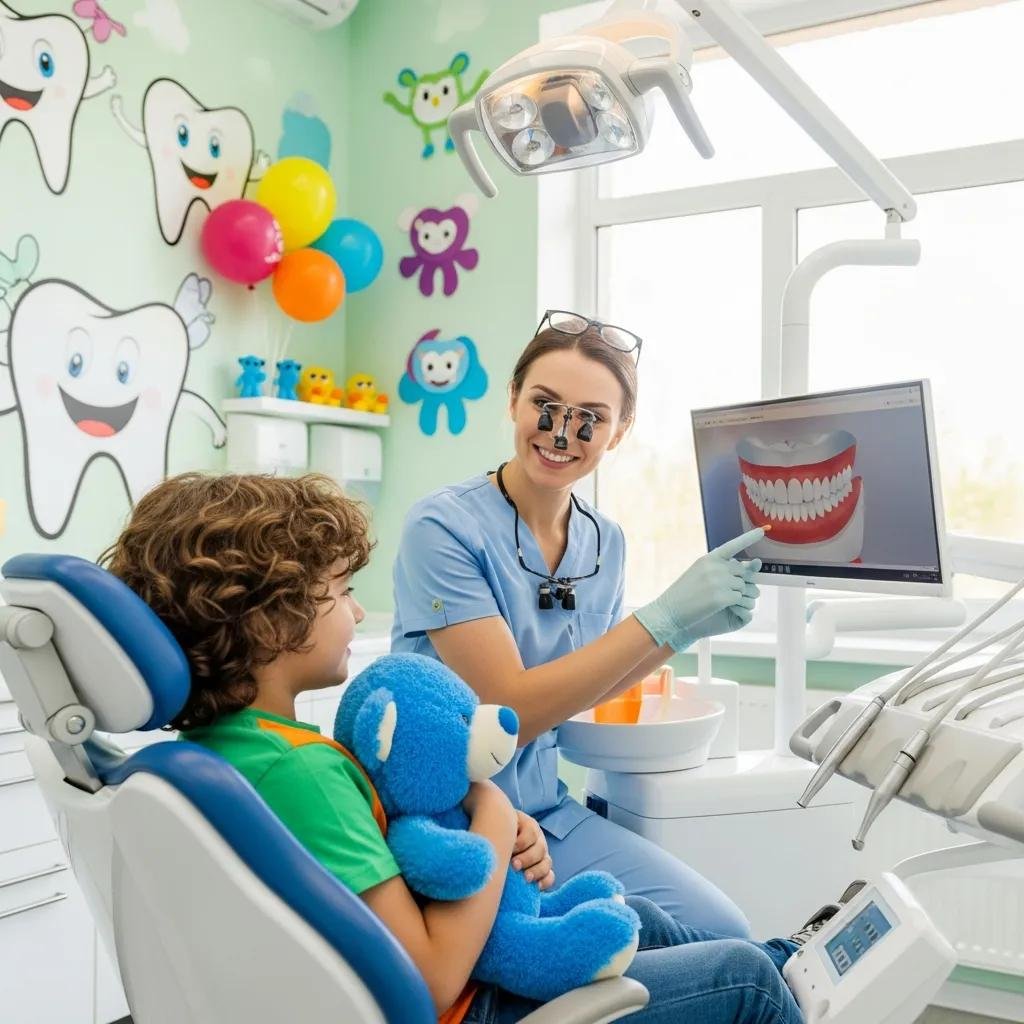
Several techniques can reduce anxiety during dental visits:
- Positive Reinforcement: Rewarding children for their bravery can create a positive association with dental visits.
- Comfort Items: Allowing children to bring a favorite toy or blanket can provide a sense of security.
- Calm Communication: Using gentle, reassuring language can help children feel more at ease.
These approaches can reduce fear and make dental appointments more manageable for anxious children.
How Does Newsham Dental Provide Gentle Care for Anxious Kids?
Newsham Dental provides compassionate, gentle care tailored to children, including those with dental anxiety. The practice adopts a child-centred approach to ensure each visit is as comfortable and low-stress as possible. Techniques such as distraction, positive reinforcement, and a welcoming environment help children feel safe and supported during appointments.
Frequently Asked Questions
What age should children start visiting the dentist?
Children should have their first dental visit by their first birthday or when the first tooth appears. Early visits establish a dental home, enabling the dentist to monitor oral development and provide guidance on proper care. Routine check-ups every six months are recommended to detect potential issues early and to reinforce good dental habits.
How can parents encourage kids to maintain good dental hygiene?
Parents can encourage consistent oral hygiene by establishing a structured, engaging routine. Choose child-appropriate toothbrushes and toothpaste, set fixed times for brushing, and demonstrate proper technique. Positive reinforcement, such as rewards for regular brushing and flossing, can motivate children to take responsibility for their oral health.
Are there specific dental products designed for toddlers?
Yes. Many dental products are specifically designed for toddlers, including soft-bristled toothbrushes with small heads, age-appropriate fluoride toothpastes, and flossers adapted for small hands. Some brands also offer mouth rinses formulated for young children. Always check the age recommendations on the packaging to ensure safety and suitability.
What role do dental sealants play in cavity prevention?
Dental sealants are a preventive coating applied to the chewing surfaces of back teeth where cavities are most likely to form. They act as a barrier against plaque and acids. When applied soon after molars erupt, sealants can significantly reduce the risk of cavities in children. Regular dental visits will determine whether sealants are appropriate for your child.
How can parents help their children cope with dental anxiety?
Parents can help reduce dental anxiety by preparing children for the visit. Role-play the experience at home, read age-appropriate books about dental appointments, and use positive reinforcement to ease fears. Allowing a comfort item, such as a favorite toy, can also provide reassurance and make the experience less intimidating.
What are some common misconceptions about children’s dental health?
One common misconception is that baby teeth are unimportant because they will eventually fall out. In reality, baby teeth are vital for chewing, speech development, and maintaining space for adult teeth. If primary teeth are damaged or lost prematurely, it can lead to eating difficulties, speech issues, or crooked adult teeth. Another misconception is that cavities are inevitable; with proper care and preventive measures, many cavities can be avoided.
Conclusion
Prioritizing your child’s oral health is fundamental to preventing cavities and promoting long-term dental well-being. Consistent hygiene practices, a tooth-friendly diet, and careful management of dental anxiety together reduce the risk of dental problems. Equip your child with the knowledge and tools required for optimal oral care, and consult your dental practice for additional guidance and resources.