
Lifestyle Choices That Affect Family Dental Health
Lifestyle Choices That Affect Family Dental Health
Oral health is fundamental to family wellbeing. Lifestyle choices—oral hygiene routines, dietary patterns, and preventive measures—directly shape dental outcomes, particularly for children. This article examines these factors to help you make informed decisions that support healthier smiles for your family.
Research consistently shows that family-wide lifestyle choices and practical skills are central to sustaining long-term dental health.
Family Skills & Lifestyle Choices for Dental Health
A model was established: desirable lifestyles, including diet and dental care, were selected based on their impact on health. This underscores the need for health support focused on building family skills to promote positive lifestyle choices.
Structural Relationships of Socioeconomic Factors Influencing Diet, Lifestyle Habits, Having a Dentist, and Health Factors That Impact Healthy Life Longevity …, 2026
What Are the Best Family Dental Hygiene Tips for Children?
Starting good dental hygiene early reduces caries risk and supports lifelong oral health. Effective home routines prevent disease and teach responsibility; making care engaging helps children accept and maintain those habits.
How to Establish Effective Oral Care Routines for Kids
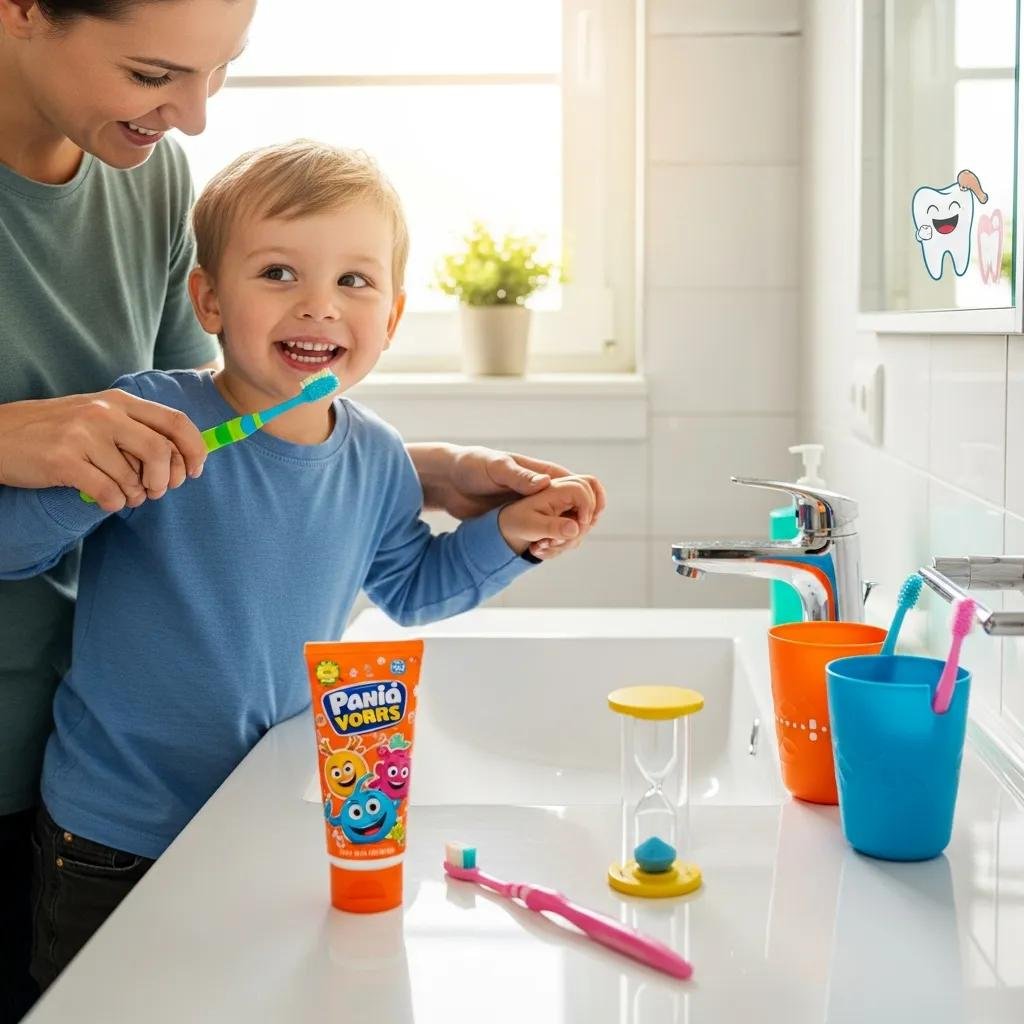
Begin toothbrushing when the first primary tooth erupts to introduce dental care early. Letting children pick a toothbrush or toothpaste can increase cooperation. Schedule brushing at consistent times—after breakfast and before bed—to reinforce the habit.
Which Gentle Dental Care Techniques Help Manage Dental Anxiety in Children?
Reducing dental anxiety requires gentle, staged approaches. Gradual familiarization with instruments, clear explanations, and positive reinforcement reduce fear. A calm, child-friendly clinical environment further supports cooperation during visits.
How Does Diet Impact Dental Health in Families?
Diet directly affects dental health. A balanced intake of essential nutrients supports tooth and gum health, while frequent consumption of cariogenic foods increases the risk of cavities and periodontal problems. Understanding these effects helps guide healthier food choices.
What Foods Strengthen Teeth and Prevent Cavities?

Certain foods support enamel strength and overall oral health. Calcium-rich items—dairy, leafy greens, and fortified plant-based alternatives—help remineralize enamel. Crunchy fruits and vegetables, such as apples and carrots, stimulate saliva flow to help neutralize acids. Including these foods in family meals supports better dental outcomes.
How Does Sugar Consumption Increase the Risk of Tooth Decay in Children?
Dietary sugars are a primary cause of tooth decay in children. Oral bacteria metabolize sugars and produce acids that demineralize enamel. Frequent sugary snacking prolongs acidic exposure and raises the risk of cavities; parents should monitor sugar intake and encourage healthier snack choices.
The widespread presence of sugar in modern diets, especially in beverages, is a well-documented hazard to children’s oral health.
Sugar-Sweetened Beverages: Oral Health Hazards for Children
Ubiquitously unhealthy eating and drinking habits and the development of multiple morbidities, including obesity, type-2 diabetes, dental caries and dental erosion have become a major challenge for physicians, dentists and parents. Modernization has provided heaps of option for outdoor eating and sugar-containing drinks. Even the “diet” labeled drinks are considered not free from sugars and enhances calorie input. With the increasing trends of eating unhealthy, sticky and readily available, refined carbohydrate-rich foods and drinks, problems pertaining to body’s metabolic activity and oral health have also been significantly recognized. Dentists and pediatricians can play a pivotal role and should emphasize on patients’ education and counseling on the proper nutritional diet and health.
Sugar-sweetened beverages: general and oral health hazards in children and adolescents, 2010
Proactive Strategies for Preventing Childhood Cavities
Preventing cavities requires a proactive mix of dietary control and consistent oral hygiene. Informed lifestyle choices can substantially reduce the likelihood of pediatric dental disease.
What Are Proven Cavity Prevention Strategies for Pediatric Dental Health?
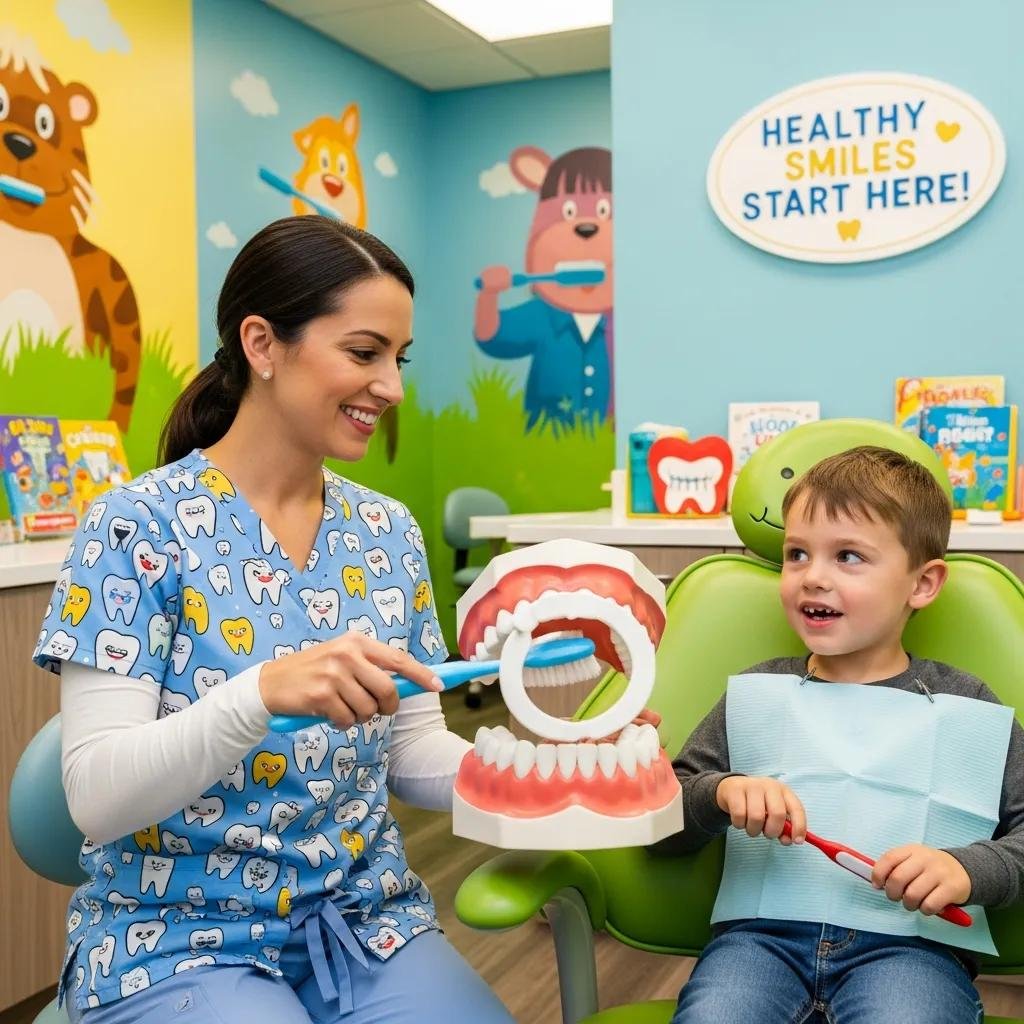
Key preventive strategies include regular dental examinations for early detection and timely intervention. Topical fluoride treatments strengthen enamel and increase resistance to decay. Teaching children to brush twice daily and to clean interdental surfaces supports plaque control and caries prevention.
How Does Early Oral Hygiene Reduce Dental Anxiety and Improve Long-Term Outcomes?
Early oral hygiene routines normalize care and build familiarity with procedures, which reduces dental anxiety. Children who attend routine dental visits and practice home oral care are more likely to carry healthy behaviors into adulthood, improving long-term dental outcomes.
Multiple studies support that early, consistent oral hygiene has a lasting, positive influence on a child’s dental health.
Oral Hygiene Practices & Long-Term Dental Health in Children
Furthermore, information on dental hygiene routines was gathered, encompassing tooth brushing frequency and methods. Promoting good oral health during early childhood can be effective, as early habits often influence long-term dental health.
Assessment of Oral Hygiene Practices and Dental Health Conditions in School-Aged Children of 7–10
Years, L Todor, 2025
Frequently Asked Questions
What role does parental involvement play in children’s dental health?
Parental involvement shapes children’s oral hygiene through modeling and routine enforcement. Parents who brush with their children, schedule regular dental visits, and discuss oral health reinforce responsibility and reduce anxiety, supporting sustained oral health.
How can families make dental hygiene fun for children?
Increase a child’s engagement by using games, songs, timers, or apps that encourage proper brushing. Colorful toothbrushes and child-friendly toothpaste flavors improve acceptance, and a simple reward system can reinforce consistent behavior.
What are the long-term benefits of good dental hygiene in childhood?
Children who adopt effective oral hygiene are less likely to develop caries, gingivitis, and other dental problems as they mature. Early prevention reduces the need for extensive restorative treatment and contributes to better overall health. Investing in childhood oral care yields durable benefits.
How can families address dietary habits that negatively impact dental health?
Addressing harmful dietary habits requires education and practical steps. Reduce sugar-containing snacks and beverages and encourage whole foods—fruits, vegetables, and whole grains—to lower caries risk. Meal planning and shared food preparation help families adopt healthier choices.
What are some common misconceptions about children’s dental health?
Several misconceptions can lead to inadequate care. Primary (baby) teeth require attention because neglect can cause pain, infection, and misalignment of permanent teeth. Dental visits are preventive as well as treatment-oriented; regular check-ups enable early detection and management.
How can parents encourage their children to visit the dentist regularly?
Build a positive perception of dental care by introducing children to the clinic early for routine check-ups. Use reassuring language, share calm personal experiences, and consider small rewards to reinforce attendance. Making dental visits a routine part of health care helps normalize oral health maintenance.
Conclusion
Prioritizing family dental health through informed lifestyle choices supports healthier smiles and improved overall wellbeing. By applying consistent oral hygiene, balanced nutrition, and preventive measures, families can establish lasting habits that protect oral health. Embrace these insights to create a supportive environment for your children’s dental care journey and explore additional tips and resources to enhance your family’s dental health. If your local to Rialto, bring your family by our office and stay on top of your dental health!