
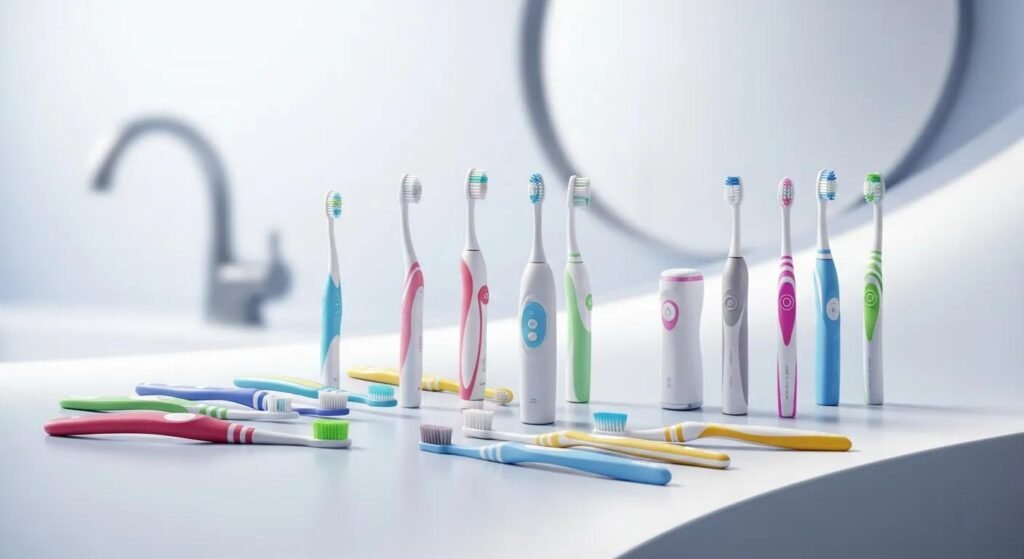
Guide to Choosing the Best Toothbrush for You
Find Your Perfect Toothbrush
Selecting the right toothbrush is essential for oral hygiene and a comfortable brushing routine. Electric and manual options differ in mechanism and outcomes; this guide summarises key features to consider for sensitive gums and anxious patients. You’ll learn the differences between electric and manual brushes, what features to prioritise for sensitivity, leading brands for adults and children, and practical tips to make brushing easier.
A personalised approach to oral care supports long-term dental health and disease prevention.
Personalized Oral Care Product Choice for Health
critical role in improving oral health and also in preventing dental diseases. Hence, the choice of oral care products, more specifically with respect to the personalized approach in oral care, is of utmost importance.
Exploring the factors influencing the choice of oral care products: A review on personalized approach, A Agrawal, 2020
What Are the Key Differences Between Electric and Manual Toothbrushes?
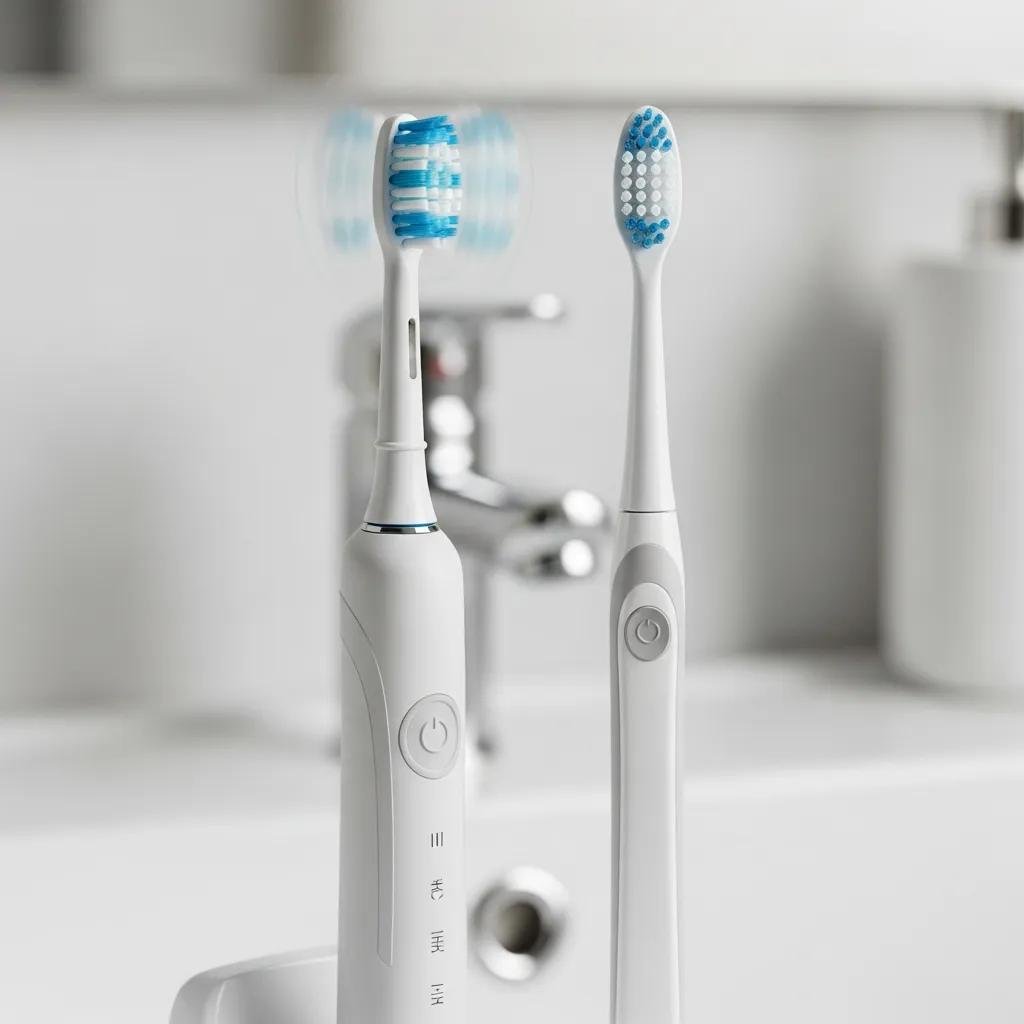
Both types remove plaque, but electric brushes add oscillating, rotating or sonic motion that often yields more consistent plaque control. Research shows electric brushes can provide measurable improvements in plaque and gingival inflammation versus manual brushes, which is why clinicians often recommend them for patients who struggle with technique.
Manual brushes remain effective when used correctly and can be a suitable, low-cost option for many people.
Electric vs. Manual Toothbrush Efficacy for Plaque & Gingivitis
To evaluate the efficacy of an oscillating-rotating (O-R) electric rechargeable toothbrush with a novel round brush head comprised of regular and tapered bristles in reducing plaque and gingivitis versus a manual toothbrush.
Comparative efficacy of a soft toothbrush with tapered-tip bristles and an ADA reference toothbrush on established gingivitis and supragingival plaque over a 12 …, 2016
How Do Electric Toothbrushes Improve Oral Hygiene Compared to Manual Brushes?
Electric brushes disrupt plaque through powered motion and often include timers to encourage the recommended two minutes of brushing. Many users find them easier to use and better at reaching interdental areas and the gingival margin, which can increase adherence and cleaning consistency.
What Are the Advantages and Disadvantages of Manual Toothbrushes?
Manual toothbrushes are inexpensive, widely available and give precise tactile control. They need no power source and are travel-friendly, but their effectiveness depends on the user’s technique and effort, which can make plaque removal less consistent for some people.
Which Toothbrush Features Are Best for Sensitive Gums and Teeth?
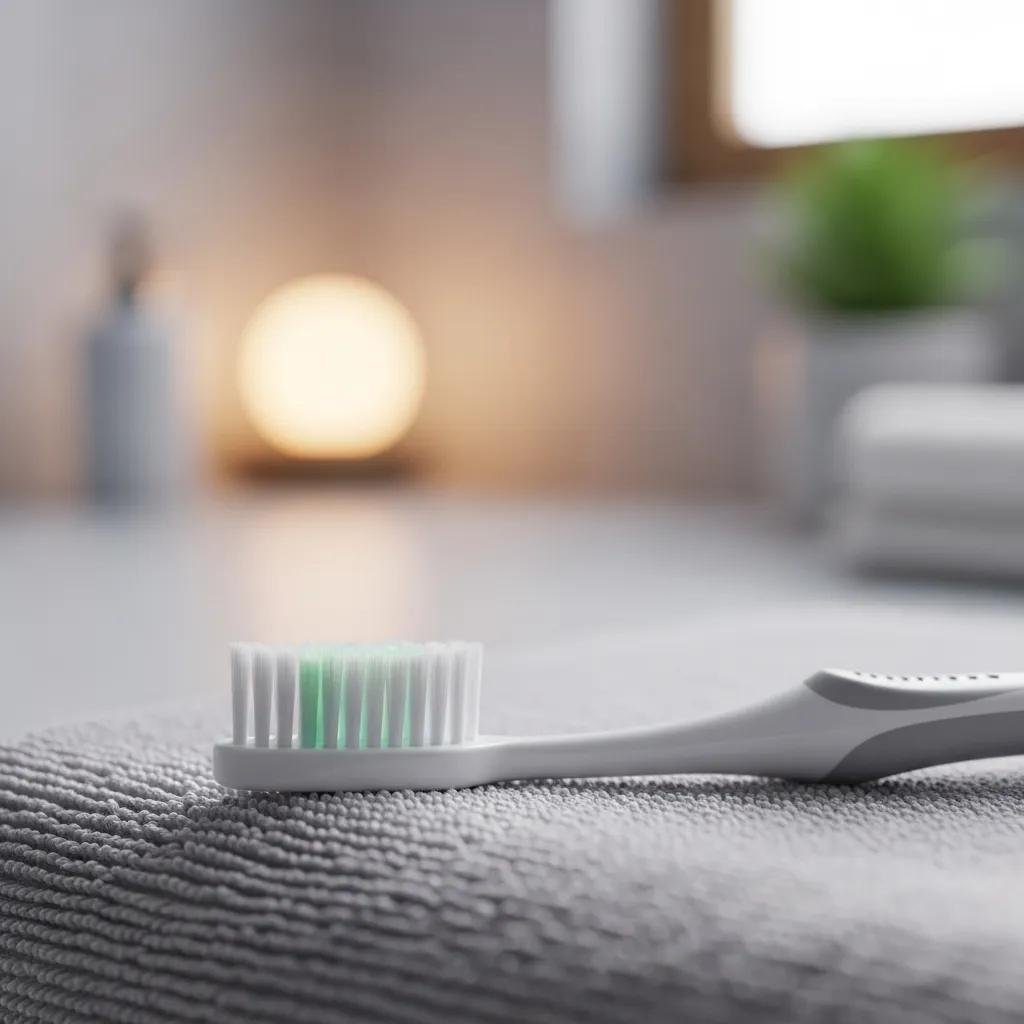
For sensitive gums or dentine hypersensitivity, prioritise gentle cleaning: soft bristles, compact heads and ergonomic handles. These features reduce tissue trauma while allowing effective plaque removal and better access to posterior teeth.
Why Are Soft Bristle Toothbrushes Recommended for Sensitive Teeth?
Soft bristles clean without excessive abrasion to enamel and gum margins, lowering the risk of irritation or recession. Dentists commonly recommend soft filaments to make brushing more tolerable for patients with sensitivity.
How Do Toothbrush Designs Cater to Gum Sensitivity and Comfort?
Rounded bristle tips, flexible heads and non-slip handles all help prevent aggressive brushing and support a controlled technique. Choosing a brush with these design features improves comfort and supports effective home care.
What Are the Top Toothbrush Brands Recommended for Adults and Children?
Several manufacturers are known for reliable toothbrushes that support oral health. Electric brands like Oral-B and Philips Sonicare are noted for validated cleaning technologies, while established manual brands such as Colgate and Crest offer dependable, varied designs.
Which Brands Offer the Best Electric Toothbrushes in 2023?
In 2023, electric toothbrushes commonly recommended for performance include:
- Oral-B: Known for its oscillating technology and various cleaning modes.
- Philips Sonicare: Offers sonic technology for plaque removal and gum care.
- Waterpik: Combines water flossing with brushing for broader oral hygiene.
These brands emphasise evidence-informed features and ergonomics that support consistent cleaning.
What Should Parents Consider When Choosing Toothbrushes for Children?
For children, choose a smaller head, soft bristles and an easy-to-grip handle. Age-appropriate designs and engaging colours can encourage brushing and help establish consistent hygiene habits.
Recommended Toothbrush Brands for Adults and Children
Patients with dental anxiety should favour soft bristles, compact heads and ergonomic grips to reduce discomfort and increase control. A comfortable, secure-feeling brush often leads to better technique and a less stressful brushing experience.
Addressing comfort is important because anxiety can reduce brushing frequency and other hygiene behaviours.
Dental Anxiety’s Impact on Oral Hygiene Habits
that dental anxiety is linked to lower frequencies of brushing, reduced use of dental floss and mouthwash solution as well as toothbrush, and higher calculus scores.
Impact of dental anxiety on dental care routine and oral-health-related quality of life in a German adult population—a cross-sectional study, 2023
What Toothbrush Features Help Reduce Dental Anxiety During Oral Care?
Brushes for anxious patients typically use soft bristles and gentle modes to reduce discomfort. Some electric models add pressure sensors that warn against excess force, helping prevent tissue trauma and build user confidence.
What Tips Does Newsham Dental Recommend for Anxious Patients Selecting Toothbrushes?
Newsham Dental advises choosing a brush that balances comfort and ease of use. Consider the following:
- Select Soft Bristles: Gentle bristles reduce discomfort and protect sensitive gums.
- Choose a Comfortable Handle: An ergonomic design enhances grip and control.
- Consider Electric Options: Electric toothbrushes may be more effective and less stressful for some users.
Following these points can help anxious patients find a toothbrush that supports comfortable, consistent care.
Frequently Asked Questions
1. How often should I replace my toothbrush?
Replace your toothbrush every three to four months or sooner if bristles fray. Replace after illness to reduce reinfection risk; regular replacement keeps brushing effective.
2. Are electric toothbrushes suitable for children?
Yes—many child-friendly electric models have smaller heads and softer bristles. Supervision ensures correct use and can help children develop good brushing habits.
3. Can using a toothbrush with hard bristles damage my teeth?
Hard bristles can cause enamel abrasion and gum recession; dentists usually recommend soft or, when appropriate, medium bristles to clean effectively while protecting tissues.
4. What is the best way to clean my toothbrush?
Rinse thoroughly after use, store upright to air dry and avoid covering the head. Occasional short soaks in antimicrobial mouthwash or a mild vinegar solution can reduce bacterial load.
5. How can I encourage my child to brush their teeth regularly?
Make brushing engaging—choose colourful brushes, brush together, and use a timer or a short song to ensure two minutes. Positive routines help form lasting habits.
6. What should I do if I experience discomfort while brushing?
Check your technique and switch to a soft-bristled brush with gentle pressure. If discomfort continues, consult your dentist to rule out conditions like gingivitis or dentine hypersensitivity.
7. Are there specific toothbrushes designed for braces or orthodontic appliances?
Yes. Orthodontic brushes have specialised bristle patterns for cleaning around brackets and wires. Interdental brushes and orthodontic flossers are useful; follow your orthodontist’s advice.
Conclusion
Choosing the right toothbrush—electric or manual—affects cleaning effectiveness and comfort. Prioritise features for sensitive gums and options that reduce anxiety to improve daily care and reduce complications. Select a brush that suits your clinical needs and personal preferences to support better oral health outcomes. If you’re local to Railto feel free to stop byour office and have a consult with Dr David Newsham!