

Effective Relief for Dry Mouth: Causes, Symptoms, and Treatment Options
Dry mouth (xerostomia) results from reduced saliva production and can cause oral discomfort and increase the risk of dental problems. It may result from medications, medical conditions, or lifestyle factors. Identifying the underlying cause is essential to manage symptoms effectively. This article reviews common causes, evidence-based home remedies, and professional treatment options, and outlines how Dr Newsham provides personalized care for affected patients.
Research shows dry mouth is common, particularly among older adults, underscoring the need to understand its causes, treatment, and prevention.
Dry Mouth in Older Adults: Causes, Treatment & Prevention
Diminished salivary flow, or dry mouth impacts the oral health of many older adults, dentate and edentulous. As a result typical oral conditions can prove more challenging to both the patient’s comfort and home care and the treatment selected by the clinician. This paper will review issues of dry mouth from a clinical and symptomatic perspective and will include the condition’s causes, treatment and prevention.
Dry mouth: a critical topic for older adult patients, 2015
What Are the Common Causes of Dry Mouth?
Dry mouth arises from diverse factors that impair normal saliva production. Medications, systemic health conditions, and lifestyle choices are common contributors.
How Do Medications and Health Conditions Contribute to Dry Mouth?
Many medications list dry mouth as a side effect, including antihistamines, antidepressants, and some antihypertensives. Systemic conditions such as diabetes, Sjögren’s syndrome, and Parkinson’s disease also reduce salivary output. Recognizing these associations helps clinicians and patients identify the root cause and pursue appropriate treatment.
Several studies document the prominent role of medications in producing dry mouth, particularly among older adults.
Medication-Induced Dry Mouth: Causes, Complications & Management
Medication-induced xerostomia and hyposalivation will increasingly become oral health issues for older and geriatric patients because of the likely high prevalence of medication intake and polypharmacy, with a complex negative impact on other symptoms such as dysphagia, caries incidence, malnutrition, and quality of life. All healthcare professionals are encouraged to investigate dry mouth symptoms among their patients, since diagnosis can easily be performed within daily clinical practice. This practical article also provides a review of available treatment options, which include medication changes towards products with fewer xerogenic side effects or dose reductions, if possible, as well as multidisciplinary, preventive care-oriented approaches that consider all influencing factors and treatment of the oral symptoms. In addition, several topical agents and saliva substitutes are discussed that may provide symptomatic relief but need to be carefully adapted to each patient’s situation in terms of usability and practicability and in the knowledge that therapeutic success varies with each individual.
Medication-induced xerostomia and hyposalivation in the elderly: culprits, complications, and management, 2018
What Role Does Dehydration and Lifestyle Play in Dry Mouth Symptoms?
Dehydration is a primary contributor to dry mouth. Low fluid intake, excessive alcohol consumption, and smoking worsen symptoms. Addressing these factors—such as increasing water intake and reducing caffeine—can mitigate dehydration-related xerostomia and support better oral health.
Which Home Remedies and Oral Hydration Methods Relieve Dry Mouth?
Several effective home and oral hydration strategies can reduce dry mouth. These measures are intended to stimulate saliva production and maintain oral moisture.
What Natural Remedies Can Alleviate Dry Mouth Symptoms?
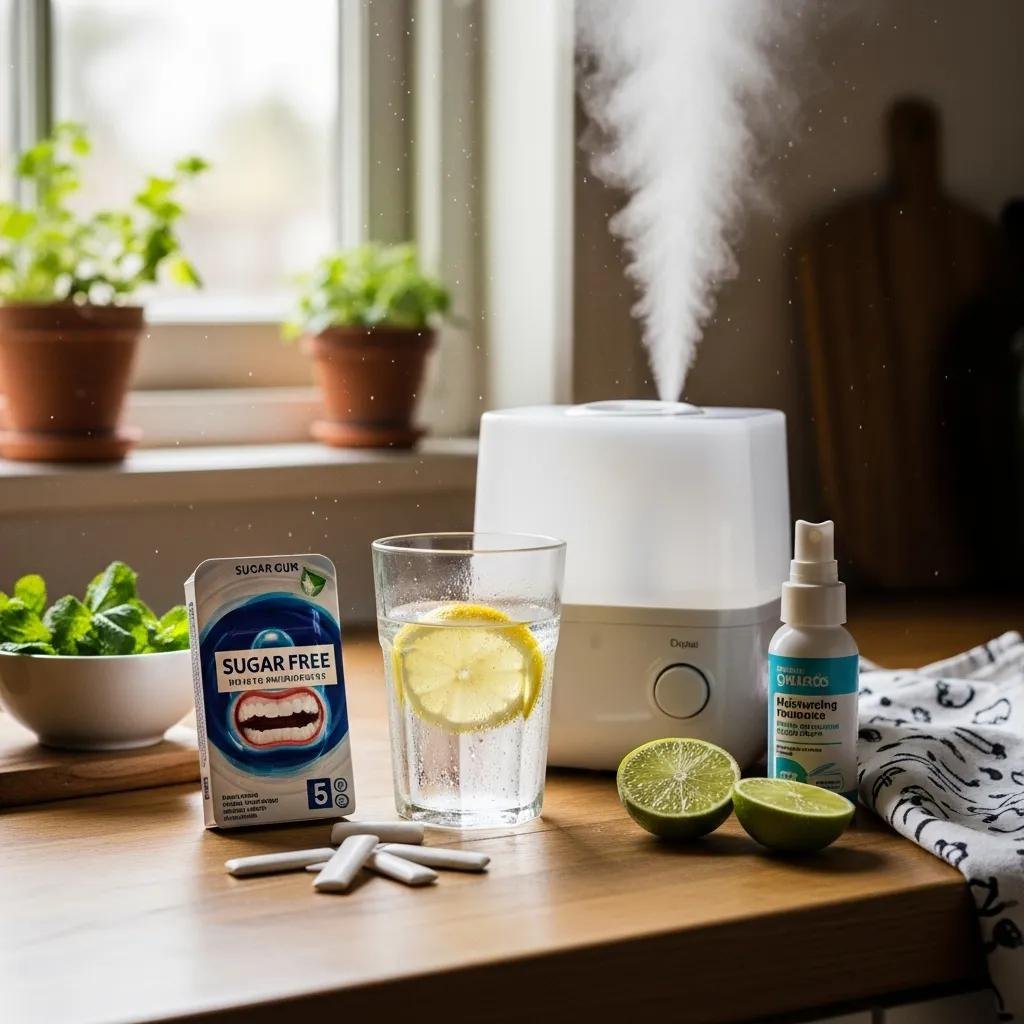
Natural remedies for dry mouth include:
- Chewing Sugar-Free Gum: Stimulates saliva production and helps keep the mouth moist.
- Using a Humidifier: Adds moisture to the air, which can ease dryness, especially at night.
- Drinking Water Regularly: Staying hydrated is crucial for maintaining saliva levels.
These measures can be adopted into daily routines to manage symptoms and improve comfort.
How Does Proper Oral Hydration Support Saliva Production?
Maintaining oral hydration stimulates salivary flow. Sipping water throughout the day, using rinses formulated for dry mouth, and consuming hydrating foods increase oral moisture. These practices offer immediate relief and support long-term oral health.
Understanding Dry Mouth: Causes, Symptoms, and Expert Solutions
Saliva substitutes and specialized mouthwashes can provide additional relief. They are formulated to mimic natural saliva and restore moisture to the oral cavity.
How Do Saliva Substitutes Help Manage Xerostomia?
Saliva substitutes coat the oral mucosa and provide temporary relief from dryness. They often contain agents that retain moisture and can be applied throughout the day. Regular use commonly improves comfort for patients with xerostomia.
Comprehensive management—including oral lubricants and targeted interventions—is important to alleviate xerostomia symptoms.
Xerostomia Management: Strategies & Oral Lubricants
Management guideline recommendations were drawn up for IMRT, amifostine, muscarinic agonist stimulation, oral mucosal lubricants, acupuncture, and submandibular gland transfer. There is evidence that salivary gland hypofunction and xerostomia induced by cancer therapies can be prevented or symptoms be minimized to some degree, depending on the type of cancer treatment.
A systematic review of salivary gland hypofunction and xerostomia induced by cancer therapies: management strategies and economic impact, 2010
Which Mouthwash Ingredients Are Recommended for Dry Mouth?
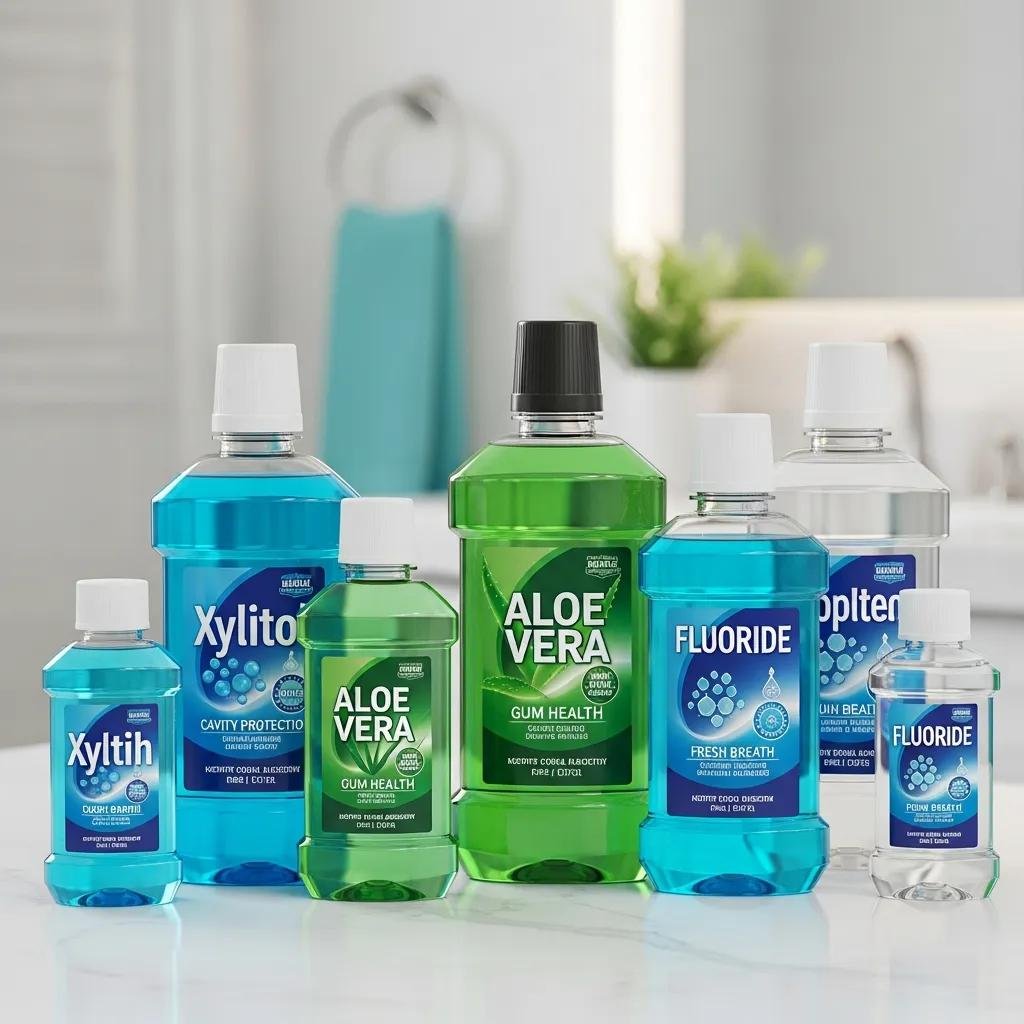
Select mouthwashes that contain:
- Xylitol: Helps stimulate saliva production.
- Aloe Vera: Provides soothing properties and moisture.
- Fluoride: Protects against cavities and strengthens enamel.
These components support mouthwash effectiveness for managing dry mouth symptoms.
How Does Dr David Newsham Provide Professional Treatment for Dry Mouth?
Dr Newsham provides comprehensive care for patients with dry mouth, delivering personalized treatment plans tailored to each patient’s clinical needs.
What Personalized Dry Mouth Treatment Plans Are Available?
Treatment with Dr Newsham may include recommendations for specific saliva substitutes, hydration protocols, and lifestyle modifications. The dental team works with patients to develop plans that address individual circumstances and improve quality of life.
How Is Patient Comfort and Safety Ensured During Treatment?
Patient comfort and safety are priorities with Dr Newsham. The practice uses gentle techniques and maintains a supportive environment to reduce anxiety and enhance the treatment experience for patients with dry mouth.
Frequently Asked Questions
What are the long-term effects of untreated dry mouth?
If left untreated, dry mouth can cause long-term complications, including increased risk of dental caries, periodontal disease, and oral infections. Reduced saliva impairs removal of food debris and neutralisation of bacterial acids, which promotes tooth decay. Chronic xerostomia may also cause pain, difficulty swallowing, and changes in speech. Early assessment and management help prevent these outcomes and preserve oral health.
Can dry mouth be a sign of a more serious health condition?
Yes. Persistent dry mouth can indicate underlying systemic conditions such as diabetes, Sjögren’s syndrome, or Parkinson’s disease. If symptoms continue despite self-care measures, consult a healthcare professional for evaluation. Early diagnosis and treatment of any underlying condition can improve symptoms and overall health.
Are there specific foods to avoid if I have dry mouth?
Individuals with dry mouth should avoid foods that can exacerbate symptoms. Spicy, salty, or acidic foods may irritate the oral mucosa. Caffeinated beverages and alcohol can increase dehydration and worsen dryness. Choosing soft, moist foods and maintaining regular water intake can alleviate discomfort and support oral health.
How can I improve my oral hygiene with dry mouth?
Maintain good oral hygiene using a soft-bristled toothbrush and fluoride toothpaste to minimise irritation and reduce caries risk. Rinsing with an alcohol-free mouthwash can help retain oral moisture. Regular dental examinations are essential for monitoring oral health. Hydration and saliva substitutes further support oral hygiene efforts.
Is dry mouth a common side effect of aging?
Yes. Saliva production commonly declines with age due to physiological changes and the use of medications frequently prescribed to older adults. This may lead to discomfort and increased oral health risks. Older patients should discuss any symptoms of dry mouth with their healthcare providers to explore management options.
What lifestyle changes can help manage dry mouth symptoms?
Effective lifestyle measures include increasing water intake, avoiding caffeine and alcohol, chewing sugar-free gum or using sugar-free lozenges to stimulate saliva, and running a humidifier at night. These adjustments can substantially improve comfort and support oral health.
Conclusion
Recognizing the causes and available treatments for dry mouth enables patients to manage symptoms and protect oral health. Implementing targeted lifestyle changes and home remedies can reduce discomfort and improve wellbeing. For personalised assessment and tailored treatment plans, contact Dr Newsham for expert guidance. Review our resources and take the first step toward relief.