
Sports and Dental Injuries: How Custom Mouthguards Protect Your Teeth Effectively
Engaging in sports can be exhilarating, but it also poses risks, particularly to dental health. Athletes often face the threat of dental injuries, which can lead to long-term consequences if not addressed properly. This article explores how custom mouthguards serve as a vital protective measure against dental injuries in sports. Readers will learn about common types of sports-related dental injuries, the effectiveness of custom mouthguards, and best practices for caring for young athletes. Understanding these aspects is crucial for anyone involved in sports, especially parents of young athletes who may be more vulnerable to dental trauma.
What Are Common Types of Sports-Related Dental Injuries?
Sports-related dental injuries can vary widely, but they often include damage to teeth and soft tissues in the mouth. Common types of injuries include:
- Chipped Teeth: Often caused by impact during contact sports, chipped teeth can lead to sensitivity and require dental intervention.
- Knocked-Out Teeth: This severe injury necessitates immediate care to increase the chances of saving the tooth.
- Fractured Teeth: Fractures can occur from falls or collisions, leading to pain and potential infection if not treated promptly.
- Soft Tissue Injuries: Injuries to the lips, cheeks, and gums are also common in sports and may require medical attention.
Understanding these injuries is essential for athletes and coaches alike, as immediate care can significantly affect outcomes.
Indeed, effective management and prevention strategies, including proper mouthguard use and coach education, are crucial for mitigating the impact of sports-related dental trauma.
Sports Dental Trauma Management & Mouthguard Prevention
Recent advancements in sports dentistry have emphasized the critical need for effective management and outcomes assessment of sports related dental injuries. Sports-related dental trauma presents a significant challenge in clinical practice, impacting athletes’ oral health and performance. The review underscores the importance of early intervention, adherence to established guidelines, and comprehensive management protocols to optimize treatment outcomes and prevent long-term complications. In conclusion, the management of sports dental trauma is highly heterogeneous among different or the same type of sport, highlighting the need for better coach education on IADT guidelines and preventive strategies such as mouthguard use.
Management strategies for sport-related traumatic dental injuries: a systematic review based on case reports, AC Silva-Sousa, 2025
How Do Dental Trauma Symptoms Present in Athletes?
Dental trauma symptoms in athletes can manifest in various ways. Common indicators include:
- Pain or Sensitivity: Affected teeth may become sensitive to temperature changes or pressure.
- Swelling: Injuries can cause swelling in the gums or surrounding tissues.
- Visible Damage: Chipped or fractured teeth may be visibly damaged, indicating the need for professional evaluation.
- Bleeding or Loose Teeth: Injuries may also cause bleeding or looseness in teeth.
Recognizing these symptoms early can help athletes seek timely treatment, minimizing the risk of further complications.
Which Dental Injuries Require Immediate Emergency Care?
Certain dental injuries require urgent attention to prevent long-term damage. These include:
- Knocked-Out Teeth: Immediate re-implantation or proper preservation of the tooth is crucial for the best chance of saving it.
- Severe Toothaches: Persistent pain may indicate an underlying issue that needs prompt evaluation.
- Broken or Fractured Teeth: These injuries can lead to infection if not treated quickly.
- Soft Tissue Lacerations: Deep cuts inside the mouth may require emergency care to prevent infection and manage bleeding.
Athletes should be educated on the importance of seeking emergency care for these injuries to ensure proper treatment.
How Do Custom Mouthguards Prevent Dental Trauma During Sports?
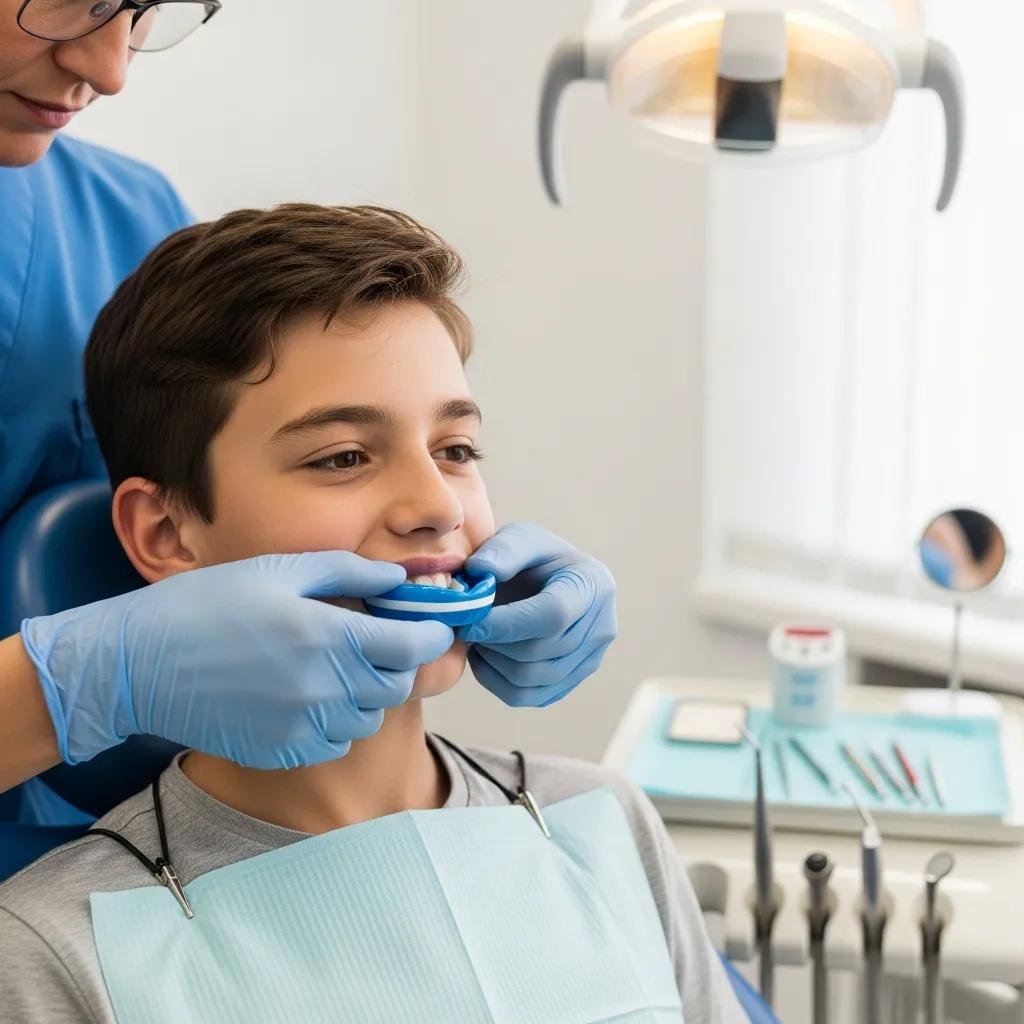
Custom mouthguards are specifically designed to fit an individual’s mouth, providing superior protection against dental injuries during sports. They work by absorbing and distributing the forces of impact, significantly reducing the risk of trauma to the teeth, jaw, and surrounding tissues.
The efficacy of mouthguards in preventing orofacial injuries is well-documented, with professional organizations like the American Dental Association recommending their use across numerous sports.
Sports Mouthguards: Effectiveness, Materials & Injury Prevention
Three systematic reviews were conducted on: (i) the history of mouthguard use in sports; (ii) mouthguard material and construction; and (iii) the effectiveness of mouthguards in preventing orofacial injuries and concussions. The American Dental Association recommends the use of mouthguards in 29 sports/exercise activities. Impact studies have shown that compared with no mouthguard, mouthguards composed of many types of materials reduce the number of fractured teeth and head acceleration.
Mouthguards in sport activities history, physical properties and injury prevention effectiveness, JJ Knapik, 2007
What Are the Differences Between Custom, Boil-and-Bite, and Stock Mouthguards?
Different types of mouthguards offer varying levels of protection and comfort:
Custom mouthguards are recommended for their superior fit and protection, especially for athletes who engage in high-contact sports.
Why Are Custom Mouthguards Recommended for Children and Anxious Patients?
Custom mouthguards are particularly beneficial for children and patients with dental anxiety. They provide:
- Enhanced Comfort: A better fit leads to increased comfort, encouraging consistent use.
- Improved Protection: Custom designs offer superior protection, reducing the risk of dental injuries.
- Support for Anxiety Management: A comfortable mouthguard can help ease anxiety during sports activities, making it easier for children to participate.
Dental professionals emphasize the importance of custom mouthguards for young athletes to ensure their safety and comfort.
How Is a Custom Mouthguard Fitted at Newsham Dental in Rialto and Inland Empire?
The fitting process for custom mouthguards involves several steps to ensure optimal comfort and effectiveness.
What Steps Ensure Comfort and Safety During Mouthguard Fitting?
To guarantee a positive experience, we take the following steps during the fitting process:
- Initial Consultation: Discuss the athlete’s needs and preferences.
- Impression Taking: Create precise impressions of the teeth for a custom fit.
- Fitting Appointment: Adjust the mouthguard for comfort and effectiveness.
These steps ensure that the mouthguard fits well and provides the necessary protection during sports activities.
What Are Best Practices for Caring for Anxious Children in Sports Dentistry?
Managing dental anxiety in children is essential for their overall experience in sports dentistry. Best practices include:
- Creating a Calm Environment: A welcoming atmosphere can help ease anxiety.
- Using Positive Reinforcement: Encouragement can motivate children to engage in dental care.
- Gradual Exposure Techniques: Introducing dental visits slowly can help children accustom to the environment.
These strategies can significantly improve the dental experience for anxious children.
How Does Dr Newsham Manage Dental Anxiety in Pediatric Patients?
At Newsham Dental, we employ several techniques to manage dental anxiety in our pediatric patients:
- Child-Centered Communication: We explain procedures in a way that is understandable and reassuring.
- Sedation Options: For particularly anxious patients, we offer sedation options to ensure a comfortable experience.
- Positive Reinforcement: We celebrate small victories to build confidence in our young patients.
These methods help create a supportive environment for children undergoing dental procedures.
Why Is Early Education on Dental Injury Prevention Important for Families?
Educating families about dental injury prevention is crucial for fostering good oral health habits. Early education can:
- Establish Good Oral Health Habits: Teaching children about dental care can lead to lifelong habits.
- Monitor Development of Teeth: Parents can better recognize potential issues as their children grow.
- Promote Healthy Eating Habits: Understanding the impact of diet on dental health can encourage healthier choices.
By prioritizing education, families can significantly reduce the risk of dental injuries in sports.
What Should You Do If a Sports Dental Injury Occurs?
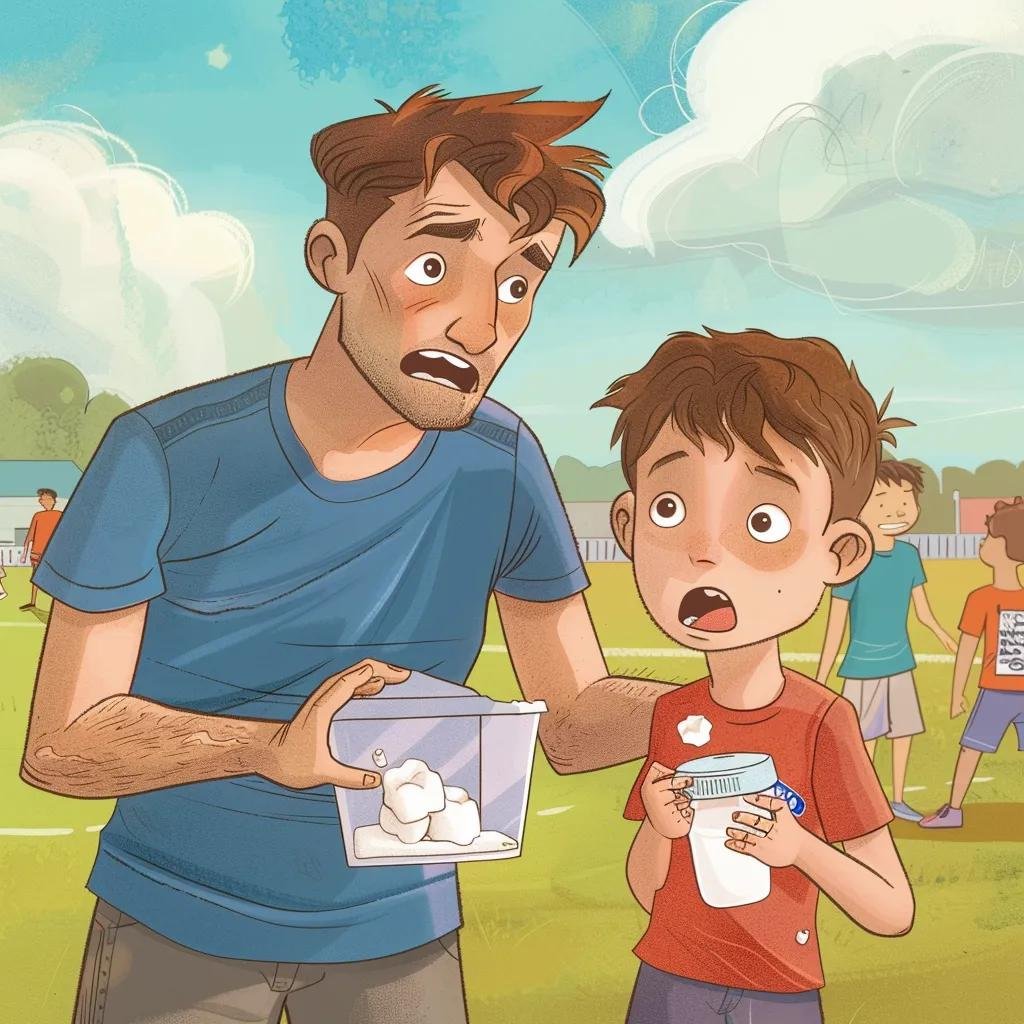
In the event of a sports dental injury, knowing how to respond can make a significant difference in outcomes.
How to Handle a Knocked-Out or Chipped Tooth During Sports?
If a tooth is knocked out or chipped, follow these steps:
- For a Knocked-Out Tooth: Handle the tooth by the crown, rinse it gently with water if dirty, and try to reinsert it into the socket immediately if possible. If that’s not possible, place it in a container of milk, saliva, or saline and seek immediate dental care.
- For a Chipped Tooth: Rinse the mouth with warm water and apply a cold compress to reduce swelling. Contact a dentist as soon as possible for evaluation.
These immediate actions can help preserve the tooth and minimize damage.
When Should You Seek Professional Sports Dental Injury Treatment?
Professional treatment should be sought in the following situations:
- Severe Pain: Persistent pain may indicate a serious issue that requires dental intervention.
- Visible Damage: Any visible damage to teeth or gums should be evaluated by a professional.
- Difficulty Eating or Speaking: If an injury affects the ability to eat or speak, immediate care is necessary.
Timely professional treatment is essential for effective recovery from dental injuries.
Which Mouthguards Are Best for Kids Engaged in Sports?
Choosing the right mouthguard for children involved in sports is crucial for their safety.
What Features Make Mouthguards Suitable for Children?
When selecting mouthguards for children, consider the following features:
- Comfort and Fit: A well-fitting mouthguard is essential for comfort during use.
- Durability: Mouthguards should withstand the rigors of sports activities.
- Safety Features: Look for mouthguards that provide adequate protection against impacts.
These features ensure that children can participate in sports safely and comfortably.
How Do Custom Mouthguards Reduce Injury Risk by Over 60%?
Research indicates that custom mouthguards can reduce the risk of dental injuries by approximately 60% or more. This significant reduction is attributed to their tailored fit, which provides better cushioning and protection compared to standard options. Custom mouthguards absorb impact forces more effectively, safeguarding the teeth and jaw during sports activities.
Further research confirms that mouthguards are highly effective in dampening generated stresses and reducing jaw movement during impacts, thereby preventing dental injuries.
How Mouthguards Reduce Dental Impact Stress in Sports
Due to recurring doubts by athletes regarding the effectiveness of mouthguards (MG), this study evaluated the stress distribution in the skull and teeth as a consequence of different impacts. A higher stress concentration in teeth was shown for the model without a MG under direct impact on the upper central incisors. MG use decreased the jaw movement relative to the maxilla and reduced the stress magnitude during impact in all situations. MG use is beneficial for all simulated impacts and assists in dampening the generated stresses.
Simulation of mouthguard use in preventing dental injuries caused by different impacts in sports activities, JPM Tribst, 2019
In conclusion, understanding the importance of dental protection in sports is vital for athletes and their families. Custom mouthguards play a crucial role in preventing dental injuries, ensuring that athletes can enjoy their sports safely. At Dr Newsham’s Dental office, we are committed to providing compassionate care tailored to the needs of families and individuals, helping to protect smiles in Rialto and the Inland Empire.