

Maintaining Oral Health During Pregnancy
Essential Oral Care for Expecting Mothers
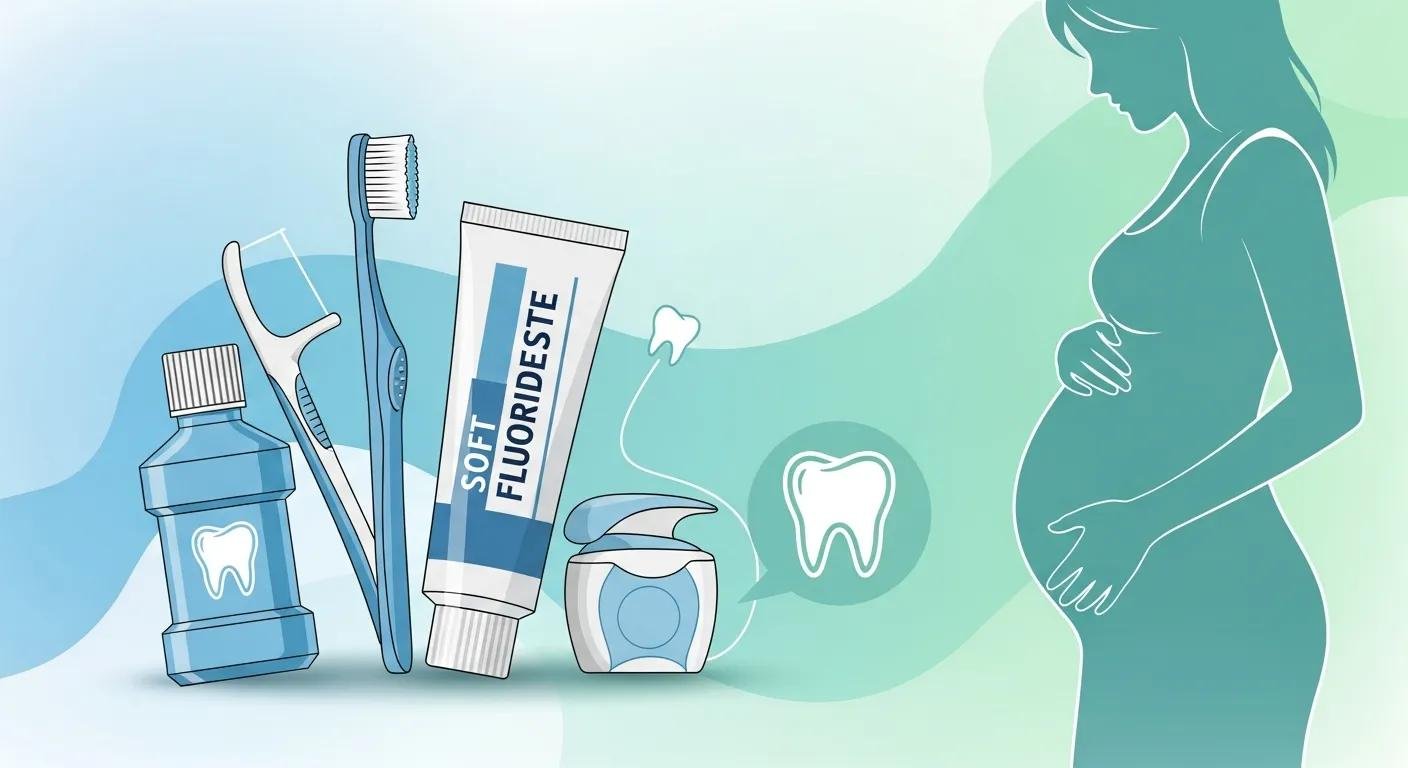
Maintaining oral health during pregnancy is essential for both the mother and the developing baby. Hormonal fluctuations can adversely affect periodontal tissues and increase oral health risks. This article outlines recommended care practices, safe dental procedures, and strategies to manage dental anxiety during pregnancy. Expectant mothers will learn about common oral risks, the importance of routine dental examinations, and how to select safe oral hygiene products. Understanding these measures supports effective oral-health management and contributes to the well‑being of both mother and child.
What Are the Common Oral Health Risks During Pregnancy?
Pregnancy produces systemic changes, notably hormonal fluctuations, that affect oral tissues. These changes may increase gingival sensitivity and raise the likelihood of dental conditions. Recognising these risks enables appropriate oral‑hygiene measures during this critical period.
How Do Hormonal Changes Affect Gum Health in Pregnant Women?
Hormonal alterations in pregnancy increase gingival sensitivity and predispose the tissues to inflammation. Elevated progesterone levels can increase gingival blood flow, producing swelling and tenderness, which facilitates plaque accumulation and elevates the risk of periodontal disease.
Clinical research further describes how these hormonal shifts specifically affect periodontal health during pregnancy.
Sex Hormones’ Impact on Gum Health During Pregnancy
Pregnancy is a physiological state that brings a wide range of changes in a woman’s life, including a susceptibility to periodontal disease, probably due to hormonal changes associated with pregnancy. The metabolism and immunology of the body are modified by hormones like progesterone and estrogen as well as other local factors. These sex hormones may modify the oral mucosa and may lead to various periodontal diseases. The hormonal changes occurring during pregnancy may be associated with pregnancy gingivitis, gingival bleeding, and generalized or localized gingival enlargement in the presence of local factors that may accentuate the gingival response. This article reviews the condition and presents two cases.
Effects of sex hormones on the gingiva in pregnancy: A review and report of two cases, 2011
What Is Pregnancy Gingivitis and How Is It Treated?
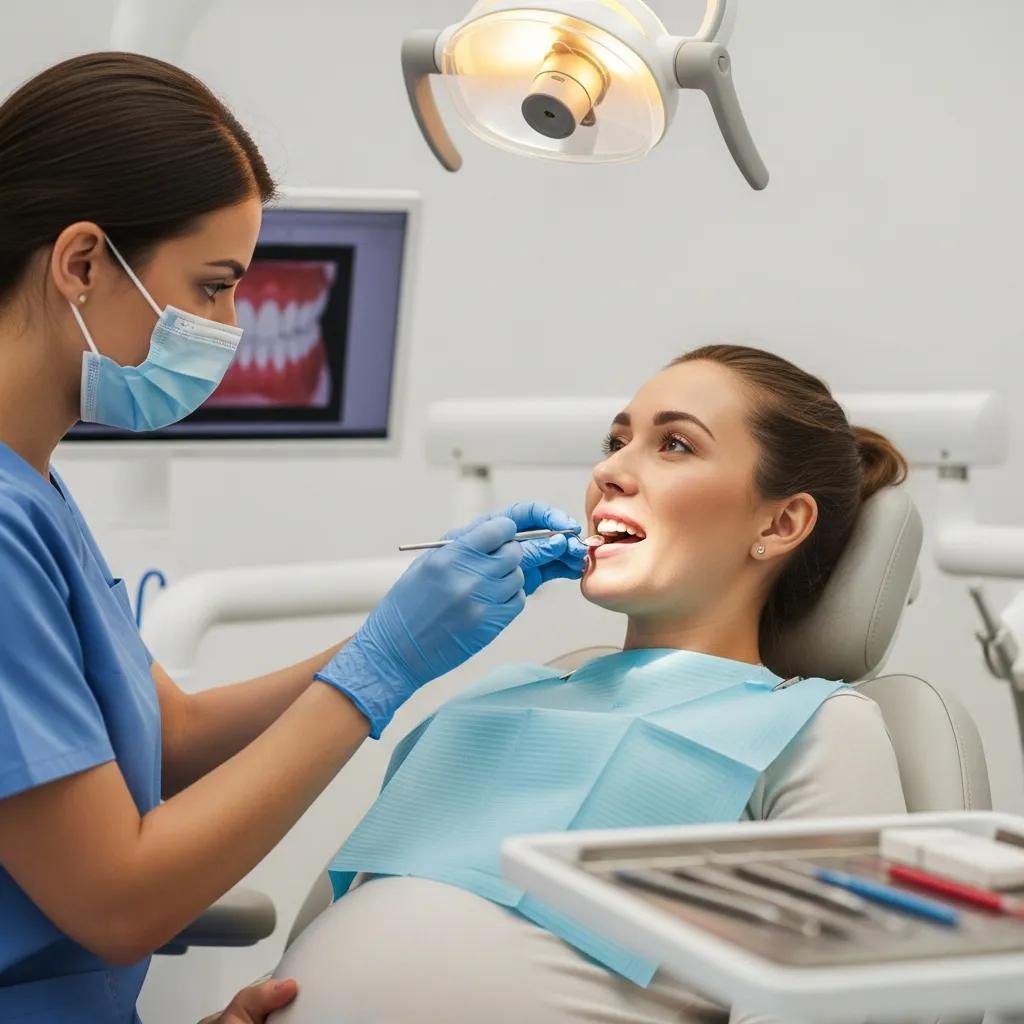
Pregnancy gingivitis commonly presents with gingival swelling and bleeding and arises from an altered inflammatory response to plaque. Management typically includes professional dental prophylaxis and reinforced home oral‑hygiene routines, with regular dental review to ensure effective control.
A comprehensive review provides additional detail on the clinical presentation and contributing factors of pregnancy gingivitis.
Pregnancy Gingivitis: Hormonal Changes & Oral Health Risks
Pregnancy gingivitis is a common condition characterized by gum inflammation, swelling, and bleeding. Hormonal fluctuations during pregnancy can increase susceptibility to dental infections, particularly in teeth and gums. Factors such as hormonal fluctuations, morning sickness, dietary changes, heightened gum sensitivity, and decreased dental care practices can contribute to this issue. Although hormonal changes do not directly cause dental infections, they can heighten the susceptibility to gum issues and potentially exacerbate the progression of dental infections. This review provides a comprehensive description of pregnancy gingivitis and its contributing factors.
Gingivitis and oral health diseases related to pregnancy, 2023
Which Oral Hygiene Products Are Safe for Pregnant Women?

Selecting appropriate oral‑care products during pregnancy protects both the mother and the developing baby. Certain ingredients warrant avoidance, so choose products that combine safety with clinical effectiveness.
What Are the Recommended Pregnancy Safe Toothpastes and Mouthwashes?
Pregnant patients should use fluoride toothpaste to reduce caries risk. Mouthrinses without alcohol or other harsh agents are preferable. These choices support oral hygiene while minimising potential risks to the developing baby.
How to Choose Oral Care Products That Protect Both Mother and Baby?
When selecting oral‑care products, prioritise formulations that are gentle yet effective. Discuss options with your dentist or dental professional for personalised recommendations, and choose products free from known harmful additives that are suitable for sensitive gingiva.
How Often Should Pregnant Women Visit the Dentist for Check-Ups?
Routine dental examinations are important during pregnancy to monitor oral status and address issues promptly. Visit frequency depends on individual risk factors, but a proactive approach is advisable.
What Is the Recommended Frequency of Dental Visits During Pregnancy?
Many dental professionals recommend examinations at least every six months. Patients with active disease or elevated risk may require more frequent visits; regular assessment allows early identification and treatment of problems.
Are Dental Treatments Safe During Pregnancy?
Most dental procedures are considered safe during pregnancy when performed by a qualified clinician. Inform your dentist of your pregnancy so they can apply appropriate precautions and tailor care accordingly.
Evidence supports the safety of various dental interventions during pregnancy and underscores the importance of maternal oral health for neonatal outcomes.
Safe Dental Care & Oral Health Risks During Pregnancy
Oral health care in pregnancy is often avoided and misunderstood by physicians, dentists, and patients. Evidence-based practice guidelines are still being developed. Research suggests that some prenatal oral conditions may have adverse consequences for the child. Periodontitis is associated with preterm birth and low birth weight, and high levels of cariogenic bacteria in mothers can lead to increased dental caries in the infant. Other oral lesions, such as gingivitis and pregnancy tumors, are benign and require only reassurance and monitoring. Every pregnant woman should be screened for oral risks, counseled on proper oral hygiene, and referred for dental treatment when necessary. Dental procedures such as diagnostic radiography, periodontal treatment, restorations, and extractions are safe and are best performed during the second trimester. Xylitol and chlorhexidine may be used as adjuvant therapy for high-risk mothers in the early postpartum period to reduce transmiss
Oral health during pregnancy, 2008
How Can Pregnant Women Manage Dental Anxiety for Comfortable Care?
Dental anxiety frequently affects pregnant patients. Hormonal changes and concern for fetal safety can increase apprehension, so addressing anxiety is important to ensure access to necessary dental care.
What Gentle Dental Care Approaches Support Anxious Expecting Mothers?
Gentle‑care strategies reduce anxiety for expectant mothers: shorter appointments, a calming clinical environment, and clear explanations from the dental team improve comfort. Where appropriate, sedation options may be considered under professional guidance.
How Does Newsham Dental Provide Compassionate Care for Pregnant Patients?
Newsham Dental provides compassionate, gentle care adapted to the needs of anxious patients, including pregnant women. The practice emphasises patient comfort and offers targeted guidance to ensure expectant mothers receive necessary dental treatment with minimal stress.
Frequently Asked Questions
Can pregnancy affect the overall health of my teeth?
Yes. Pregnancy can alter oral conditions. Hormonal changes may increase plaque accumulation and gingival sensitivity, contributing to pregnancy gingivitis. Dietary cravings for sugary foods can also raise caries risk. Maintain consistent oral hygiene and attend regular dental reviews to monitor and manage these issues.
What dietary changes can help improve oral health during pregnancy?
A balanced diet rich in vitamins and minerals supports oral health during pregnancy. Calcium sources such as dairy, leafy greens and nuts help preserve tooth structure. Vitamin C from citrus fruits and bell peppers supports gingival integrity. Adequate hydration and limiting sugary snacks reduce caries risk.
Are there any oral health conditions that can affect my baby?
Yes. Certain maternal oral conditions can affect the infant. Untreated periodontal disease has been associated with preterm birth and low birth weight. Elevated levels of cariogenic bacteria in the mother increase the risk of early childhood caries. Therefore, maintaining maternal oral health is important for both mother and child.
What should I do if I experience severe dental pain during pregnancy?
If you experience severe dental pain during pregnancy, contact your dentist promptly. The clinician can evaluate the cause and recommend appropriate treatment. Many interventions are safe in pregnancy, and timely management can prevent complications. Do not self‑medicate; consult your healthcare provider for pain‑management advice.
How can I ensure my dental care provider is knowledgeable about pregnancy-related oral health?
Ask prospective providers about their experience treating pregnant patients and their protocols for managing dental anxiety. Inquire how they adapt treatment timing and precautions for pregnancy. Patient reviews and recommendations from other expectant mothers can also assist in selecting a knowledgeable clinician.
Is it safe to undergo dental X-rays during pregnancy?
Dental radiography can be safe during pregnancy when clinically justified. Dentists routinely use lead aprons and thyroid shields to minimise exposure. The second trimester is commonly preferred for non‑urgent imaging. Always inform your dentist of your pregnancy so appropriate safeguards are used.
Conclusion
Maintaining optimal oral health during pregnancy supports maternal well‑being and can reduce the risk of conditions such as pregnancy gingivitis and other dental complications. Selecting safe oral‑care products and adhering to scheduled dental examinations help protect both mother and child. For individualised advice and treatment, consult a dental professional experienced in pregnancy care.