
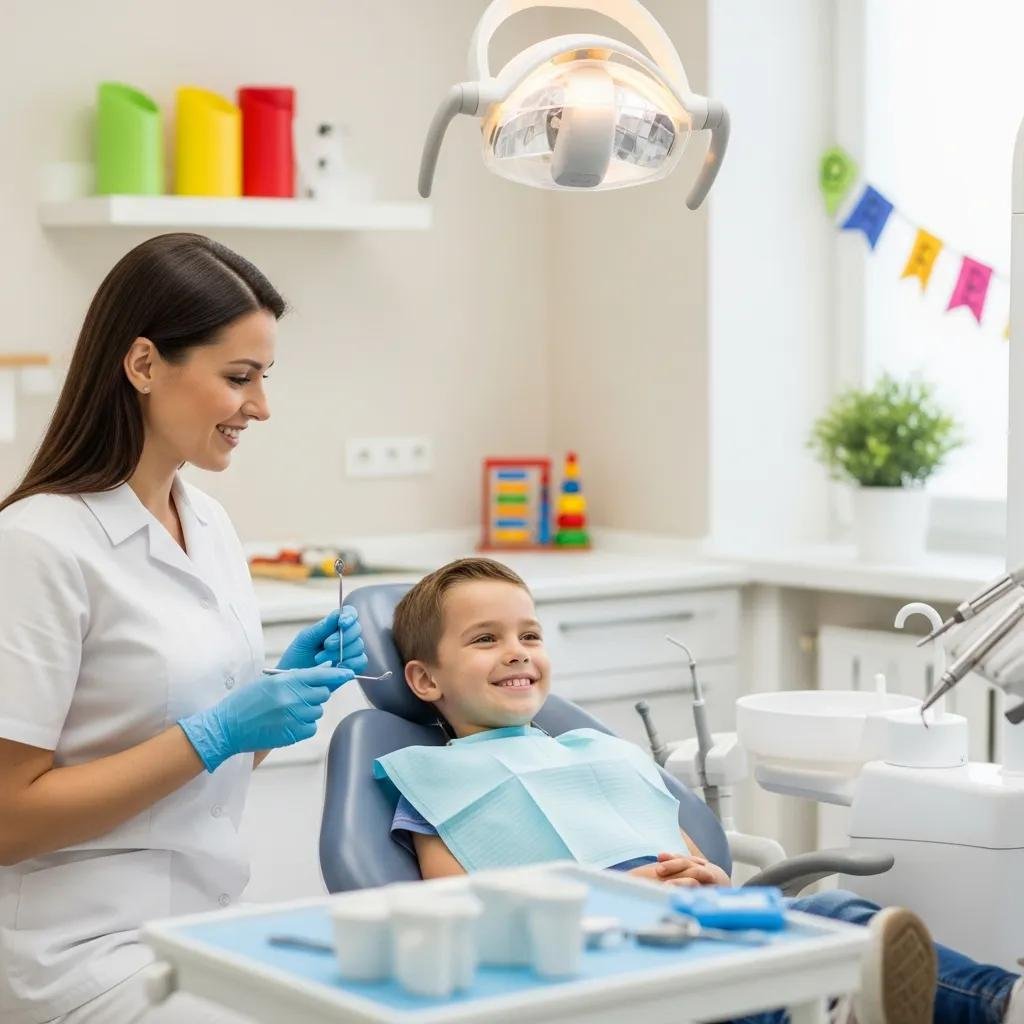
Helping Kids Overcome Dental Anxiety
Ease Kids’ Dental Anxiety

Dental anxiety commonly affects children, often arising from fear of unfamiliar situations or past negative experiences. Addressing it helps preserve oral health and ensures cooperative care. This article offers practical calming techniques and coping strategies for dental visits, guidance for recognising signs, preparing children, and describes how Newsham Dental provides compassionate, child-focused care.
What Are the Signs and Causes of Dental Anxiety in Children?
In children, dental anxiety may show as crying, clinging, or refusal to enter the clinic, often triggered by the unknown, past painful procedures, or a caregiver’s anxiety. Early recognition lets parents use supportive strategies and consistent positive reinforcement to build confidence for future visits.
What Common Triggers Cause Dental Fear in Kids?
Several common triggers can cause dental fear in children, including:
- Fear of the Unknown: Many children are anxious about what will happen during their dental visit, especially if they have never been before.
- Past Painful Experiences: If a child has had a painful dental procedure in the past, they may associate future visits with that discomfort.
- Parental Anxiety: Children often mirror their parents’ emotions. If a parent is anxious about dental visits, the child may feel the same way.
Identifying triggers helps parents plan and reduce anticipatory fear before the appointment.
How Can Parents Prepare Children for Dental Visits to Reduce Anxiety?
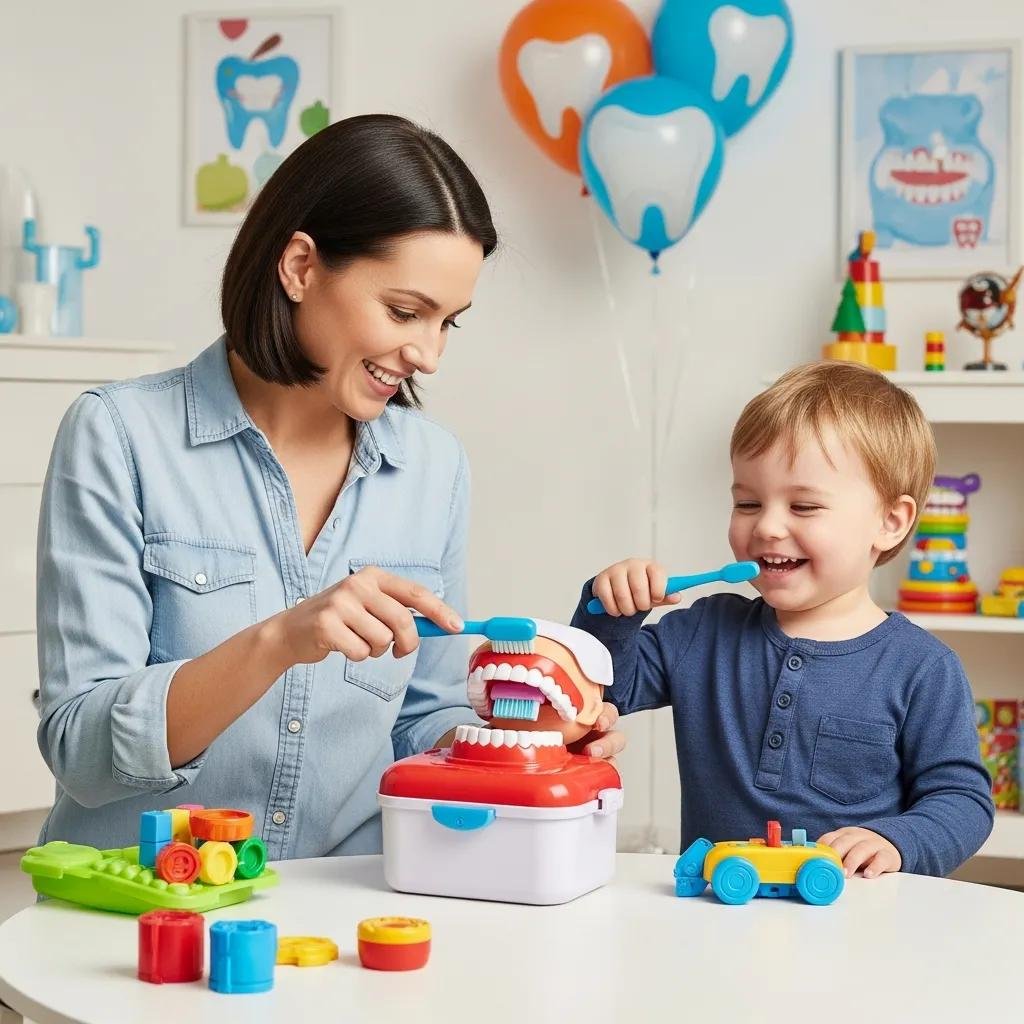
Preparation reduces uncertainty. Explain the appointment in neutral terms and avoid alarming language, introduce dental instruments through play to familiarise the child, and schedule visits when the child is rested and not hungry to minimise irritability.
What Are Effective Child-Friendly Dental Care Tips for Appointment Preparation?
To help children prepare for their dental appointments, parents can implement the following tips:
- Use Calm Language: Explain the visit in simple terms, avoiding scary words like “drill” or “pain.”
- Play Pretend: Use toys to simulate a dental visit, allowing children to become familiar with the process.
- Schedule Wisely: Choose appointment times that align with the child’s routine, ensuring they are not tired or hungry.
These measures create a predictable framework that helps the child approach the visit with less apprehension.
How Can Parents Use Checklists and Communication to Ease Dental Fear?
Clear communication and a simple checklist set expectations and reduce anxiety. Prepare a step-by-step outline of the visit, invite the child to share worries and acknowledge those feelings without judgement, and use specific praise before, during, and after the appointment.
- Create a Checklist: Outline the steps of the dental visit, from entering the office to sitting in the chair.
- Encourage Expression: Allow children to share their fears and concerns, validating their feelings.
- Positive Reinforcement: Praise children for their bravery before, during, and after the visit to build confidence.
These practices increase the child’s sense of control and lower anxiety related to dental care.
What Calming Techniques and Coping Strategies Help Manage Pediatric Dental Anxiety?

A range of non-pharmacological techniques can manage paediatric dental anxiety. Gradual exposure to instruments, small rewards for calm behaviour, and referrals to specialists when needed help children acclimatise and form positive associations with care.
Which Behavioral Methods Are Proven to Calm Anxious Children at the Dentist?
Behavioral methods that have proven effective in calming anxious children include:
- Deep Breathing Exercises: Teaching children to take deep breaths can help them relax before and during the appointment.
- Distraction Techniques: Using toys, books, or videos can divert a child’s attention away from the dental procedure.
- Parental Presence: Allowing a parent to stay with the child during the appointment can provide comfort and reassurance.
Applied consistently, these methods reduce signs of distress and improve cooperation during treatment.
Research supports the effectiveness of specific behavioral techniques, such as diaphragmatic breathing, in reducing children’s dental anxiety.
Diaphragmatic Breathing for Kids’ Dental Anxiety
Diaphragmatic breathing effectively reduced physiological and behavioural indicators of dental anxiety in children, resulting in enhanced cooperation and shortened treatment times. Thus, it may serve as a practical, non-pharmacological approach for enhancing children’s comfort and procedu
Clinical effectiveness of diaphragmatic breathing for dental anxiety in 7-to 13-year-old children, 2003
What Sedation Options Are Safe and Recommended for Children?
For children with severe anxiety, clinically indicated sedation options can enable safe, effective treatment. Common methods include nitrous oxide for mild anxiolysis while conscious; oral conscious sedation for calmer, drowsy states; and intravenous sedation when deeper sedation is required. Trained clinicians select the appropriate modality based on the child’s needs and medical history.
Effective Calming Techniques for Pediatric Dental Anxiety
Newsham Dental is committed to delivering gentle, child-centred care. The practice maintains a calm, welcoming environment and Dr. Newsham’s measured approach, together with staff training in gentle techniques, minimises discomfort and fosters positive engagement during treatment.
What Practice-Specific Approaches Does Newsham Dental Use to Ease Dental Fear?
Newsham Dental employs several practice-specific approaches to ease dental fear, including:
- Child-Centered Communication: Staff members use language that is easy for children to understand, helping them feel more at ease.
- Comfort Items: The practice provides comfort items, such as stuffed animals or blankets, to help children feel secure during their visit.
- Positive Reinforcement: The team encourages children with praise and rewards for their bravery, fostering a positive association with dental visits.
These strategies create a supportive clinical environment that addresses emotional and practical needs.
How Does Experienced Staff Support Children During Dental Visits?
The experienced clinical team at Newsham Dental supports children throughout their visit with a warm reception, gentle clinical techniques, and child-focused communication that encourages questions and expression of concerns.
- Warm Environment: Staff members greet children with smiles and friendly interactions to help them feel at home.
- Gentle Techniques: The use of gentle techniques minimizes discomfort and helps children feel safe during procedures.
- Open Communication: Staff encourages children to share their thoughts and feelings, fostering a sense of control and understanding.
This structured, empathetic approach helps children develop confidence and positive expectations for future care.
Frequently Asked Questions
What age should children start visiting the dentist?
Children should have their first dental visit by their first birthday or within six months of the first tooth’s eruption to establish a dental home, monitor development, and receive preventive advice.
How can I identify if my child has dental anxiety?
Indicators include crying, tantrums, refusal to enter the clinic, or physical complaints such as stomachache or headache before appointments; children may also become unusually clingy or verbalise fear.
Are there specific toys or activities that can help ease dental anxiety?
Role-playing with toy dental kits, age-appropriate books about dental visits, colouring, or soft music can familiarise and calm children before appointments.
What should I do if my child has a negative experience at the dentist?
Acknowledge and validate the child’s feelings, discuss the experience calmly, and consider a follow-up with a paediatric-focused clinician or a more gradual, child-centred approach to rebuild trust.
How can I reinforce positive dental experiences after a visit?
Use specific praise and small rewards, review what the child did well, and consider a sticker chart or similar reward system to encourage cooperative behaviour.
What role does nutrition play in children’s dental health and anxiety?
A balanced diet supports oral health and reduces the risk of caries that can lead to invasive treatment; limiting high-sugar foods helps prevent conditions that may increase dental fear.
Conclusion
Addressing dental anxiety in children is key to lifelong oral health. With deliberate preparation, evidence-based calming techniques, and compassionate clinical care, parents can reduce fear and improve visit outcomes. Newsham Dental offers tailored, gentle care that prioritises safety and comfort—contact the practice to learn how they can help make your child’s dental visits positive experiences.