
Family Oral Health and Wellness Guide
Family Oral Health & Wellness Guide
Optimal oral health underpins family well‑being and quality of life. This guide summarises core principles of family oral care, emphasising effective hygiene, preventive measures and strategies to manage dental anxiety. Many families find it hard to establish consistent home routines, especially for young children. By prioritising oral health education and practical steps, households can create more positive dental experiences. The sections below cover children’s hygiene, home routines, anxiety management and appointment planning.
What Are the Best Children Dental Hygiene Tips for Preventing Cavities?
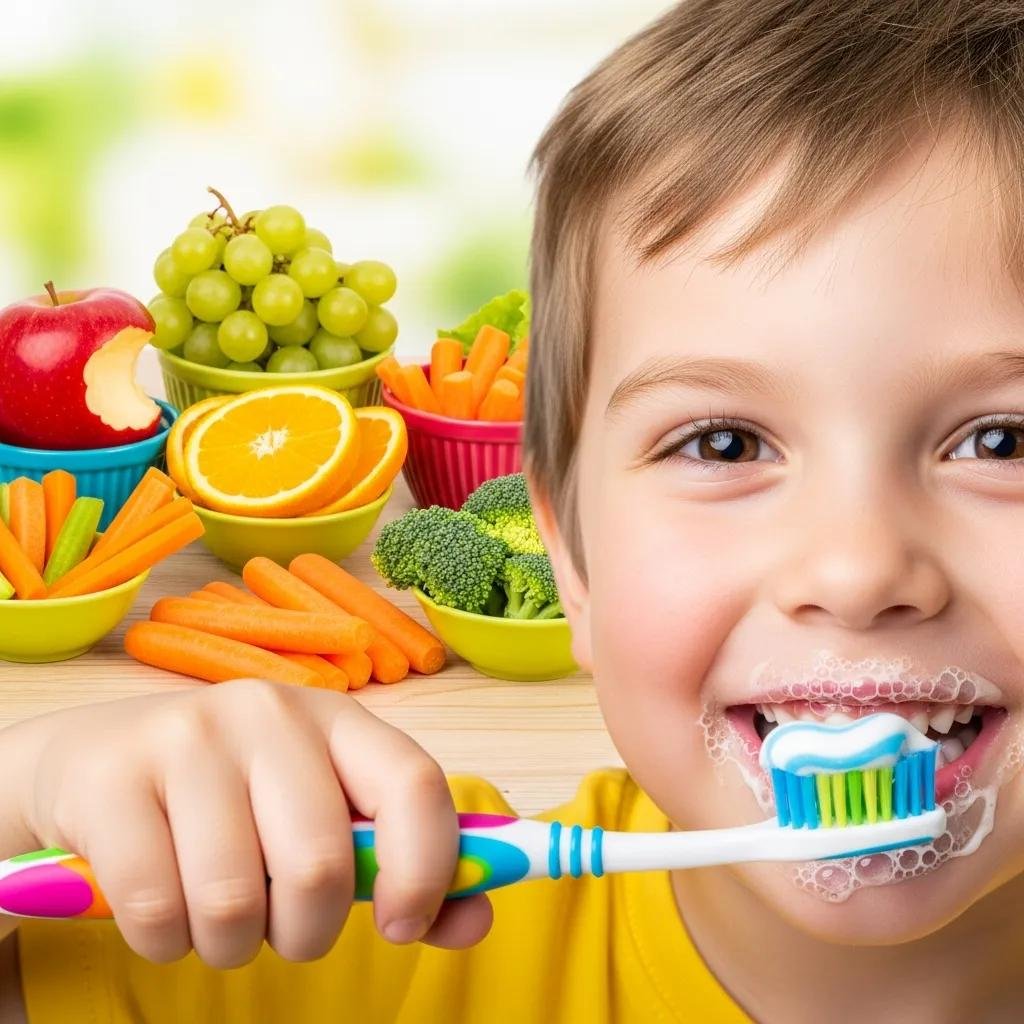
Starting healthy oral habits early reduces childhood caries. Routine care supports tooth development and builds lifelong habits. Consistent daily routines and prudent diet choices lower children’s cavity risk.
How to Establish Effective Daily Oral Care Routines for Kids
Begin care before the first tooth by wiping gums with a soft cloth. Once teeth emerge, brush twice daily with fluoride toothpaste for two minutes — use a timer or song. Parents should demonstrate, supervise and perform parent-led brushing until a child can brush effectively alone.
Which Foods and Habits Support Children’s Oral Health?
Diet influences children’s oral health. Encourage tooth-friendly foods — vegetables, fruit and dairy for calcium — and regular water to clear debris and dilute acids. Limit sugary snacks and sweetened drinks; frequent sugar increases caries risk. Parental modelling of healthy eating lowers early decay.
Research highlights parents’ strong influence on children’s diets and oral health, reinforcing caregivers’ role in preventing early decay.
Parental Influence on Children’s Oral Health & Decay Prevention
Severe untreated dental decay affects a child’s growth, body weight, quality of life as well as cognitive development, and the effects extend beyond the child to the family, the community and the health care system. Early health behavioural factors, including dietary practices and eating patterns, can play a major role in the initiation and development of oral diseases, particularly dental caries. The parent/caregiver, usually the mother, has a critical role in the adoption of protective health care behaviours and parental feeding practices strongly influence children’s eating behaviours.
Brief oral health promotion intervention among parents of young children to reduce early childhood dental decay, P Arrow, 2013
How Can Families Maintain Consistent Oral Care Routines at Home?
Consistent home care supports long-term oral health for all family members. Age-appropriate, structured routines reduce disease risk and make daily hygiene habitual and engaging.
What Are Recommended Brushing and Flossing Techniques for All Ages?
Technique should change as children develop. Young children need a soft-bristled brush and a pea-sized smear of fluoride toothpaste; supervise until about eight. Start flossing when two teeth touch and assist until children can floss independently. Regular dental exams let clinicians monitor growth and advise as needed.
How to Choose Appropriate Oral Hygiene Products for the Family?
Choose products by age and clinical need. Fluoride toothpaste strengthens enamel; soft-bristled brushes protect gums. Floss and suitable mouthwashes can help older children and adults as adjuncts to brushing. Know each product’s role to make informed family choices that support oral health.
What Strategies Help Manage Dental Anxiety in Children and Adults?
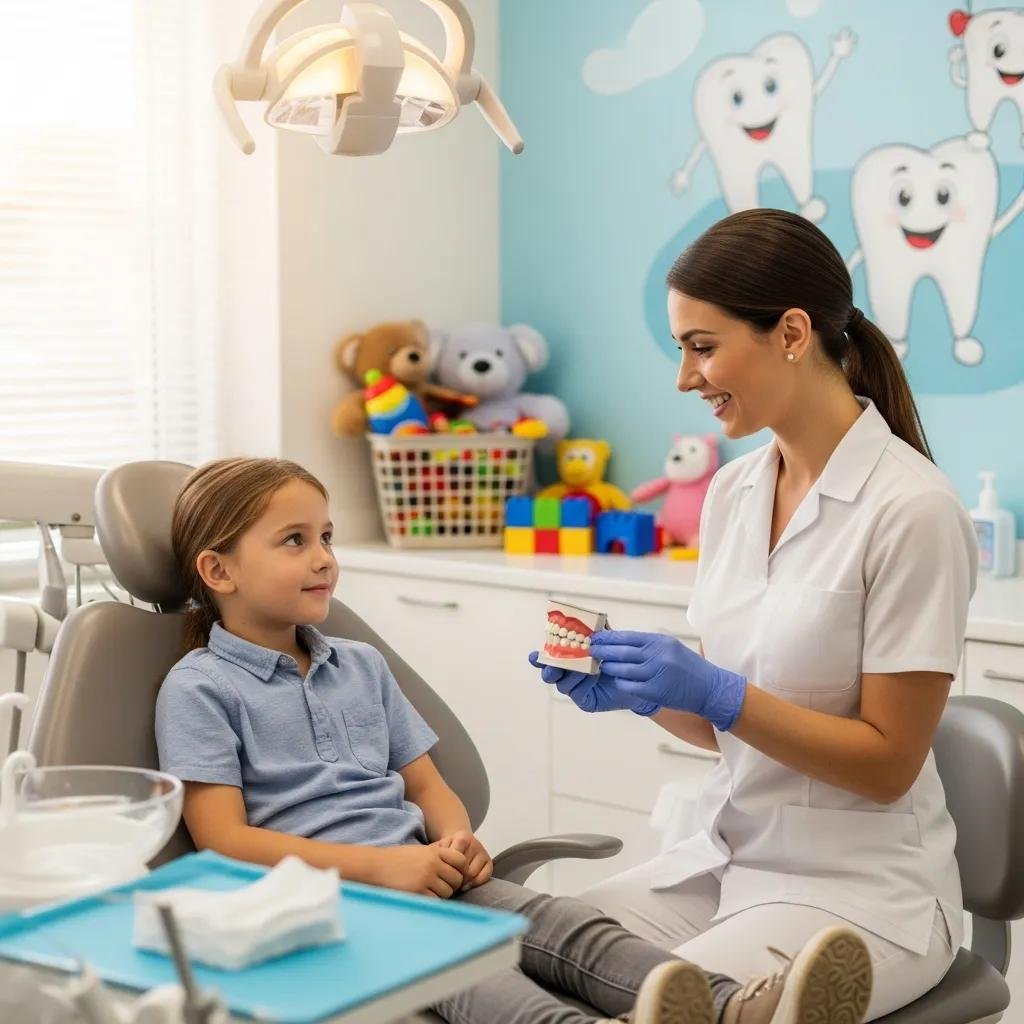
Dental anxiety affects all ages and can limit care. Creating a calm environment, using positive reinforcement and gradual exposure to the clinic helps. Clear explanations and chances to voice concerns improve comfort and cooperation.
Educational, experiential methods can reduce children’s dental anxiety and improve clinic experience.
Experiential Learning Reduces Children’s Dental Anxiety
Dental anxiety (DA) has an impact on the quality of dental treatment and may have long-lasting implications for children. A recent study introducing experiential learning (EL) into children’s oral health promotion resulted in better oral hygiene. The purpose of the study is to evaluate whether EL can reduce children’s DA. School-based experiential learning intervention before a dental visit is feasible and effective in reducing children’s dental anxiety during PFS.
Experiential learning for children’s dental anxiety: a cluster randomized trial, 2020
Which Gentle Dental Care Approaches Reduce Patient Anxiety?
Gentle care emphasises compassionate communication and child-centred techniques. Dentists should use clear, age-appropriate language and invite questions. For severe anxiety, clinicians may offer behavioural strategies or sedation to ensure safe, tolerable treatment.
How Can Parents Prepare Anxious Children for Dental Visits?
Preparation reduces uncertainty. Parents can describe the visit calmly, rehearse steps through role-play and encourage open discussion of feelings. Choosing a dentist experienced with children and validating concerns also lowers anxiety on appointment day.
Interactive methods like drama and role-play help children explore fears and develop coping strategies.
Understanding Children’s Dental Anxiety Through Drama & Role Play
Drama and role play can be unlisted as methods to allow children to view problems from a range of different perspectives that may differ from their own experience. Application of drama technique to assess the cause of dental fear and anxiety in a school setting is novel. Four key concepts emerged: (1) fear of the unknown; (2) unpleasant sensory experience; (3) society’s perception and portrayal of the dentist; and (4) learnt negative associations with the dentist.
Using process drama to explore the causes of dental anxiety in primary-school children, S Pavitt, 2021
When and How Should Families Schedule Regular Dental Appointments?
Regular dental visits enable early detection and prevention of oral disease. Families should know recommended intervals and use scheduling tools to maintain continuity of care.
What Is the Recommended Frequency for Family Dental Check-Ups?
The American Dental Association recommends check-ups every six months. Children should have their first dental visit by age one to establish a baseline. Routine visits allow monitoring, preventive treatments and prompt attention to concerns.
How Does Newsham Dental Facilitate Easy Appointment Scheduling in Rialto?
Newsham Dental in Rialto offers multiple scheduling options for busy families, including online booking, telephone scheduling and walk-ins. The practice provides compassionate, family-focused care, including support for patients with dental anxiety.
Frequently Asked Questions
What are the signs of dental problems in children?
Caregivers should watch for persistent toothache, sensitivity to hot or cold, swollen or bleeding gums, visible cavities or tooth discolouration. Difficulty chewing or chronic bad breath that resists hygiene may signal problems. Early dental assessment prevents progression.
How can parents encourage their children to maintain good oral hygiene?
Combine education and engagement: use age-appropriate brushes and flavoured toothpaste, set consistent brushing times and use timers or songs. Model good habits and praise consistent behaviour to build long-term routines.
What role does fluoride play in children’s dental health?
Fluoride strengthens enamel by promoting remineralisation and increases resistance to acid challenge. It’s found in many toothpastes, some mouth rinses and community water supplies. Parents should monitor total fluoride to balance protection with fluorosis risk.
How can families manage dietary habits to support oral health?
Adopt a balanced diet rich in vegetables, fruit, whole grains and dairy. Limit frequent sugary snacks and sweetened drinks. Encourage water after meals and plan regular family meals to reinforce healthy patterns.
What should families know about dental sealants?
Dental sealants are thin coatings applied to molar chewing surfaces to reduce caries in fissures and grooves. Application is quick and painless and provides an effective barrier against food and bacteria. Discuss sealants with your dentist, especially for children at higher risk.
How can parents help children overcome fear of the dentist?
Help children overcome dental fear through preparation and reassurance. Explain the visit simply, practise role-play and choose a dentist experienced with children. Encourage expression of worries and validate feelings to reduce anxiety before and during appointments.
Effective Children’s Oral Hygiene Habits for Cavity Prevention
Prioritising family oral health supports overall well‑being by building protective habits and preventing dental disease. Consistent hygiene, suitable products, anxiety-management techniques and regular dental exams improve outcomes for all family members. Use available resources and schedule regular check-ups to protect your family’s oral health.