

What Are Cavities? Causes, Symptoms, and Prevention
Cavities Uncovered: Causes & Prevention
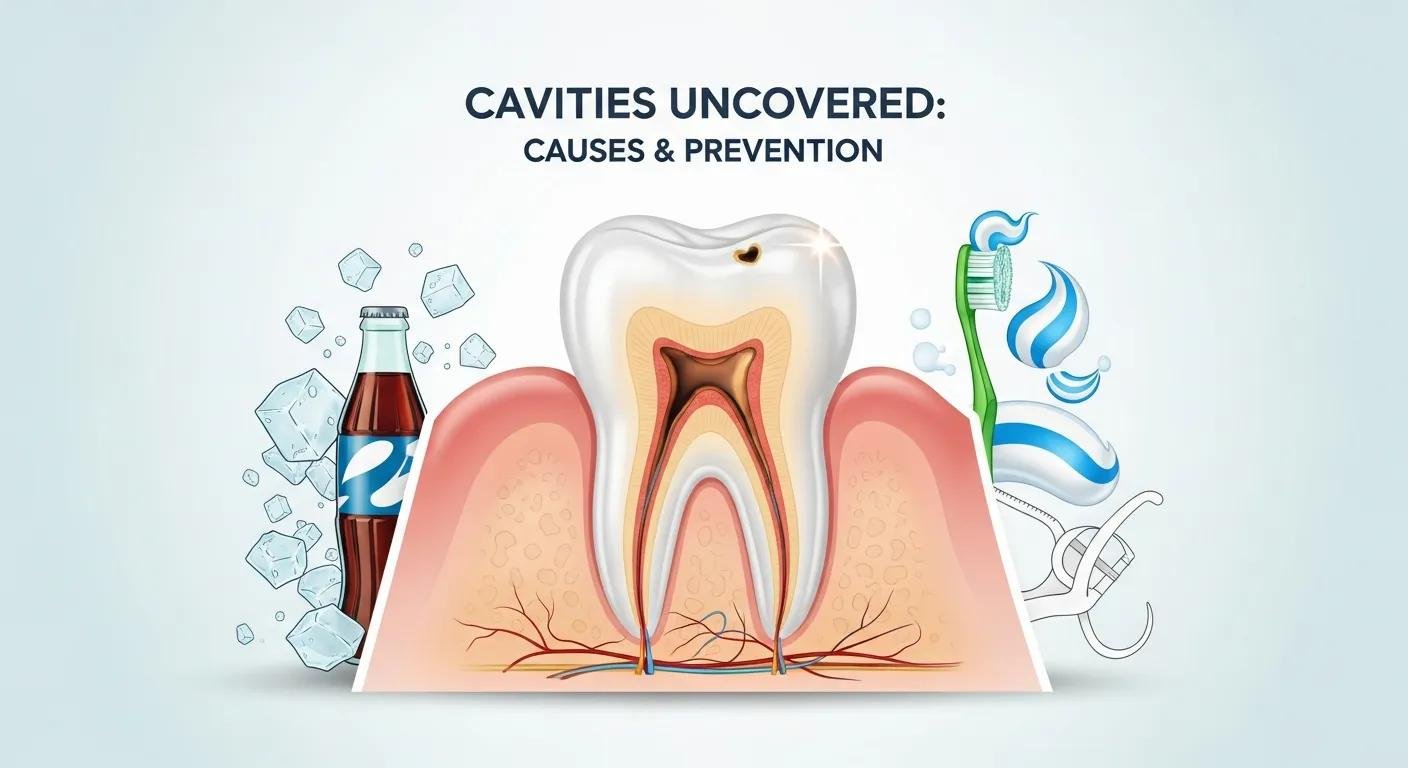
Dental caries, commonly called cavities, affect people of all ages. They form when bacteria metabolize sugars and produce acids that demineralize tooth enamel. Knowing the causes, signs, and prevention methods helps protect oral health. This article outlines how cavities develop, the early warning signs, and practical, evidence-based steps to keep teeth stronger and smiles healthier.
What Causes Cavities? Exploring Bacteria, Sugar, and Enamel Erosion
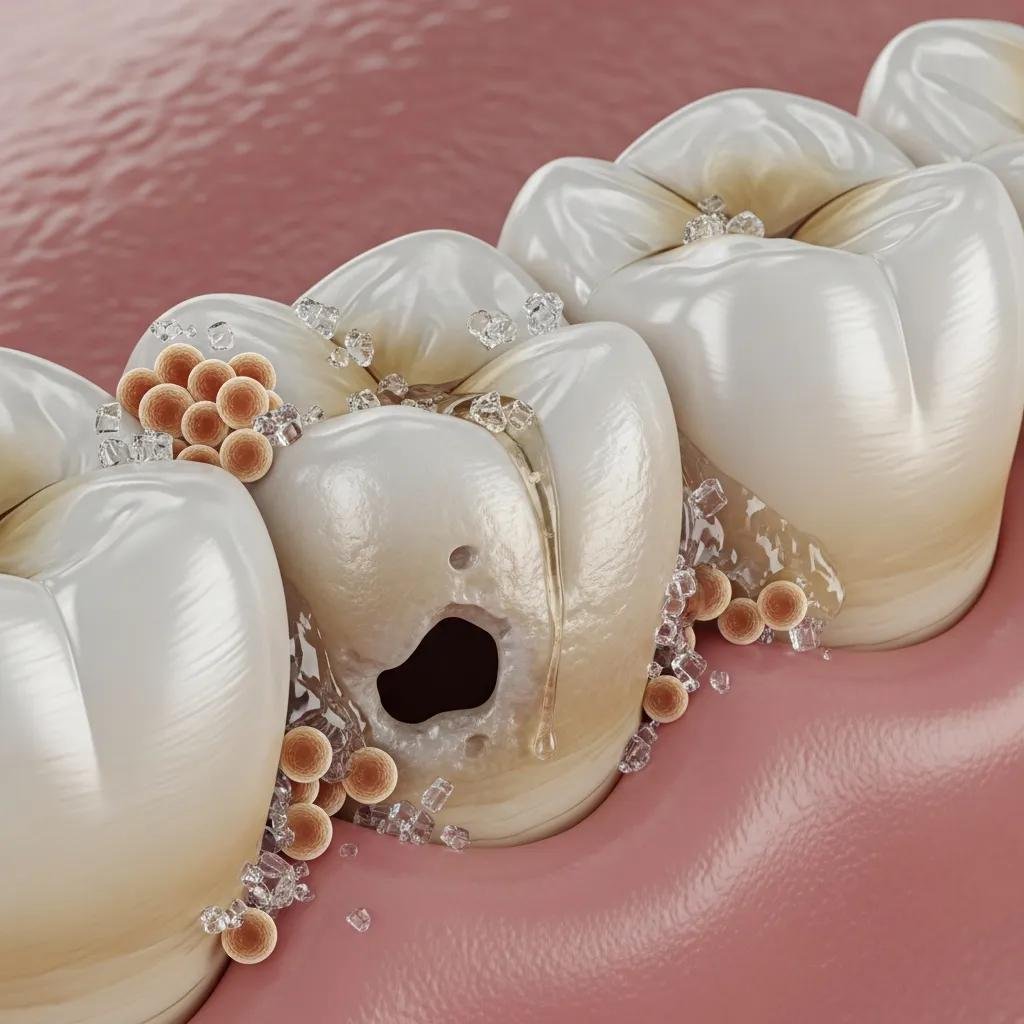
Cavities arise from the interaction of oral bacteria, dietary sugars, and enamel erosion. Bacterial acids dissolve enamel, and without effective hygiene or dietary changes this process can progress to cavitation. Frequent sugar exposure together with poor oral care substantially increases caries risk.
How Do Bacteria Contribute to Tooth Decay?
Oral bacteria metabolize sugars to produce lactic acid, lowering pH in dental plaque and promoting enamel demineralization. Regular brushing and interdental cleaning reduce biofilm and lower cavity risk.
What Role Does Sugar Play in Cavity Formation?
Dietary sugar provides the substrate for bacterial acid production. Repeated sugar exposure sustains acid attacks and is linked to higher caries rates. Cutting sugar intake and choosing a balanced diet reduce this hazard.
What Are the Early Signs and Symptoms of Tooth Decay?
Early detection permits less invasive care. Common signs include toothache, sensitivity to hot or cold, and visible changes in colour or surface integrity. Prompt recognition widens conservative treatment options and limits damage.
How Can You Recognize Tooth Sensitivity and Pain?
Sensitivity usually appears as discomfort with hot, cold, or sweet stimuli and can indicate enamel loss exposing dentin. If sensitivity worsens, seek clinical evaluation for targeted treatment.
What Discoloration and Visible Changes Indicate Cavities?
Look for dark spots, pits, or localized changes in colour and texture. These findings merit professional assessment. Routine dental exams help detect such changes early and enable timely intervention.
Proven Strategies for Effective Cavity Prevention
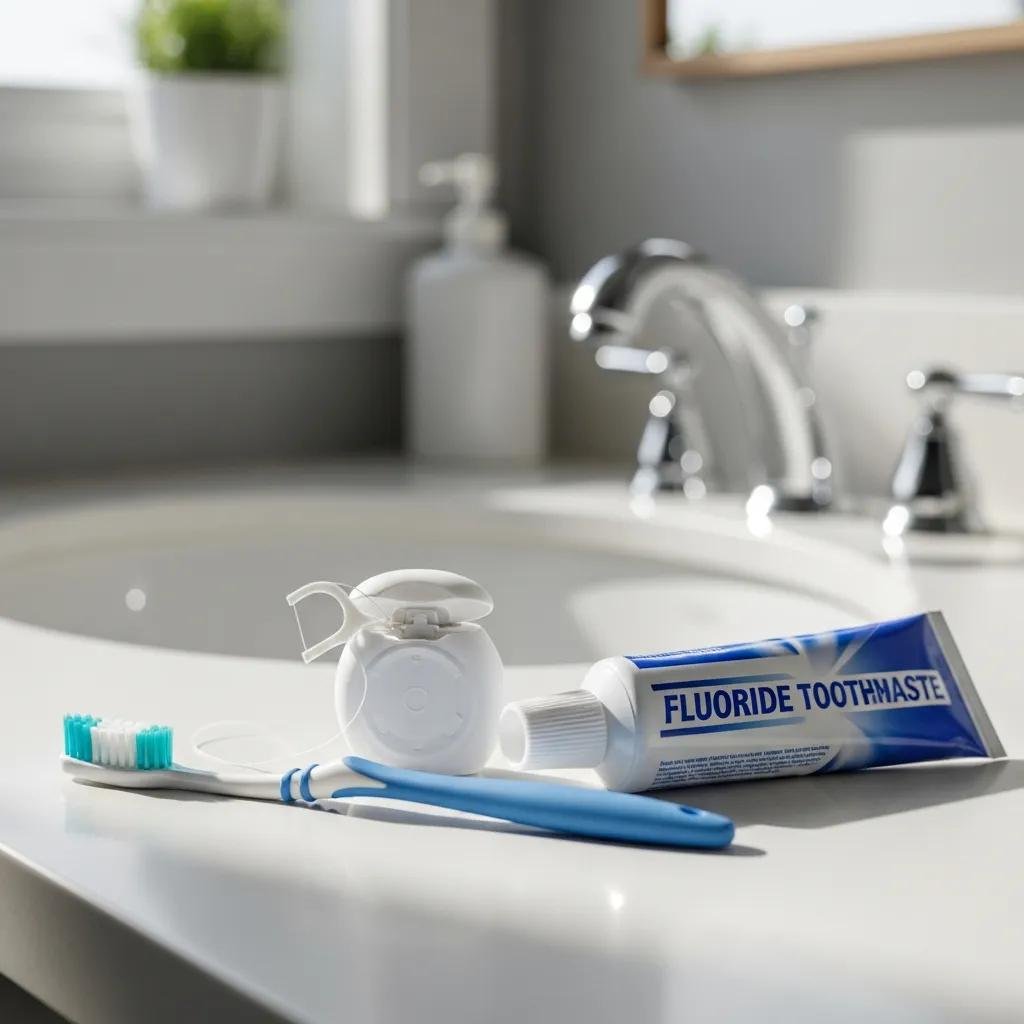
Prevention combines daily home care with professional visits. Brush twice daily with fluoride toothpaste, clean between teeth, and attend routine dental appointments. Dietary choices also materially influence caries risk.
What Oral Hygiene Practices Reduce Cavity Risk?
Adopt core hygiene measures to lower cavity risk. Key elements include:
- Brushing Twice Daily: Use fluoride toothpaste to strengthen enamel and remove plaque.
- Flossing Daily: Flossing helps remove food particles and plaque from between teeth where a toothbrush cannot reach.
- Regular Dental Check-ups: Visiting a dentist every six months can help catch potential issues early.
How Do Fluoride Treatments and Dental Sealants Help Prevent Cavities?
Topical fluoride and sealants offer added protection. Fluoride aids enamel remineralization and increases resistance to acid challenges. Sealants coat occlusal surfaces to limit plaque in molar fissures. These are especially useful for children and people at higher caries risk.
Clinical research supports fluoride’s role in preventing dental decay.
Fluoride Toothpaste for Dental Caries Prevention
Fluoride toothpastes have been widely used for over 3 decades and remain a benchmark intervention for the prevention of dental caries.
Fluoride toothpastes for preventing dental caries in children and adolescents, J Higgins, 1996
Newsham Dental is a family-oriented dental practice located in Rialto, serving the Inland Empire region. The practice provides gentle, compassionate care tailored for anxious patients and children. Regular professional visits confirm preventive measures are working and help maintain oral health.
What Are Common Foods That Cause Tooth Decay? Dietary Factors to Consider
Diet strongly affects caries development. Certain foods and drinks raise cariogenic and erosive potential; awareness of these items supports better choices.
Which Sugary and Acidic Foods Increase Cavity Risk?
Sugary and acidic items increase decay risk. Common culprits include:
- Sticky Candies: These can cling to teeth and provide a prolonged source of sugar for bacteria.
- Sodas and Sports Drinks: High in sugar and acidity, these beverages can erode enamel and promote decay.
- Pastries and Baked Goods: Often high in sugar and refined carbohydrates, these can contribute to plaque buildup.
Evidence highlights the local action of diet on caries and enamel erosion; acidic drinks such as soft drinks are a notable contributor.
Dietary Impact on Dental Caries and Enamel Erosion
the most significant effect of nutrition on teeth is the local action of diet in the mouth on the development of dental caries and enamel erosion. Dental erosion is increasing and is associated with dietary acids, a major source of which is soft drinks.
Diet, nutrition and the prevention of dental diseases, P Moynihan, 2004
How Can Dietary Choices Support Oral Health?
Choose foods that support teeth and reduce caries risk. Consider incorporating:
- Dairy Products: Rich in calcium and phosphates, they help strengthen teeth.
- Crunchy Fruits and Vegetables: Foods like apples and carrots can help clean teeth naturally and stimulate saliva production.
- Nuts and Seeds: These provide essential nutrients and can help maintain healthy gums.
Knowing causes, signs, and prevention lets you protect your oral health proactively. Regular dental visits combined with consistent home care form the foundation of an effective cavity-prevention plan.
Frequently Asked Questions
1. How often should I visit the dentist for cavity prevention?
Routine exams and cleaning are commonly recommended every six months. These visits let your dentist monitor oral health, remove plaque and calculus, and address problems early. Higher-risk patients may need more frequent recall.
2. Can cavities be reversed in their early stages?
Yes. Incipient caries can often be arrested or remineralized with improved oral hygiene, topical fluoride, and dietary change. Once a structural cavity forms, restorative treatment is needed.
3. Are there specific age groups more prone to cavities?
Caries can affect any age. Children and teens are often at higher risk due to diet and erupting teeth. Older adults may be vulnerable from gum recession and dry mouth, which expose root surfaces. Consistent hygiene and dental care help across the lifespan.
4. What are the benefits of using fluoride toothpaste?
Fluoride promotes enamel remineralization, strengthens tooth structure against acid, and can reverse early demineralization. Regular use with good brushing technique reduces caries incidence, especially in children with developing teeth.
5. How does diet impact oral health beyond sugar intake?
Dietary acidity directly erodes enamel, and sticky foods extend sugar contact with teeth. Conversely, diets rich in calcium, phosphate, and vitamins support tooth and gum health. Crunchy fruits and vegetables boost saliva, which helps neutralize acids and clear debris.
6. What are dental sealants, and who should consider them?
Sealants are thin coatings applied to molar chewing surfaces to prevent decay in pits and fissures. They are especially effective for children and adolescents, and can benefit adults at elevated caries risk. Application is quick, painless, and provides an extra barrier in hard-to-clean areas.
7. Can stress affect my oral health and cavity risk?
Yes. Stress can lead to bruxism and lapses in oral care, and it may reduce saliva flow, which lessens natural protection against acid and bacteria. Managing stress and keeping a steady oral routine help mitigate these effects.
Conclusion
Understanding cavity causes and prevention is key to keeping a healthy smile. Consistent brushing with fluoride toothpaste, interdental cleaning, mindful diet choices, and routine dental visits greatly reduce decay risk. Take proactive steps today—use preventive resources and schedule your next dental check-up to protect long-term oral health.