
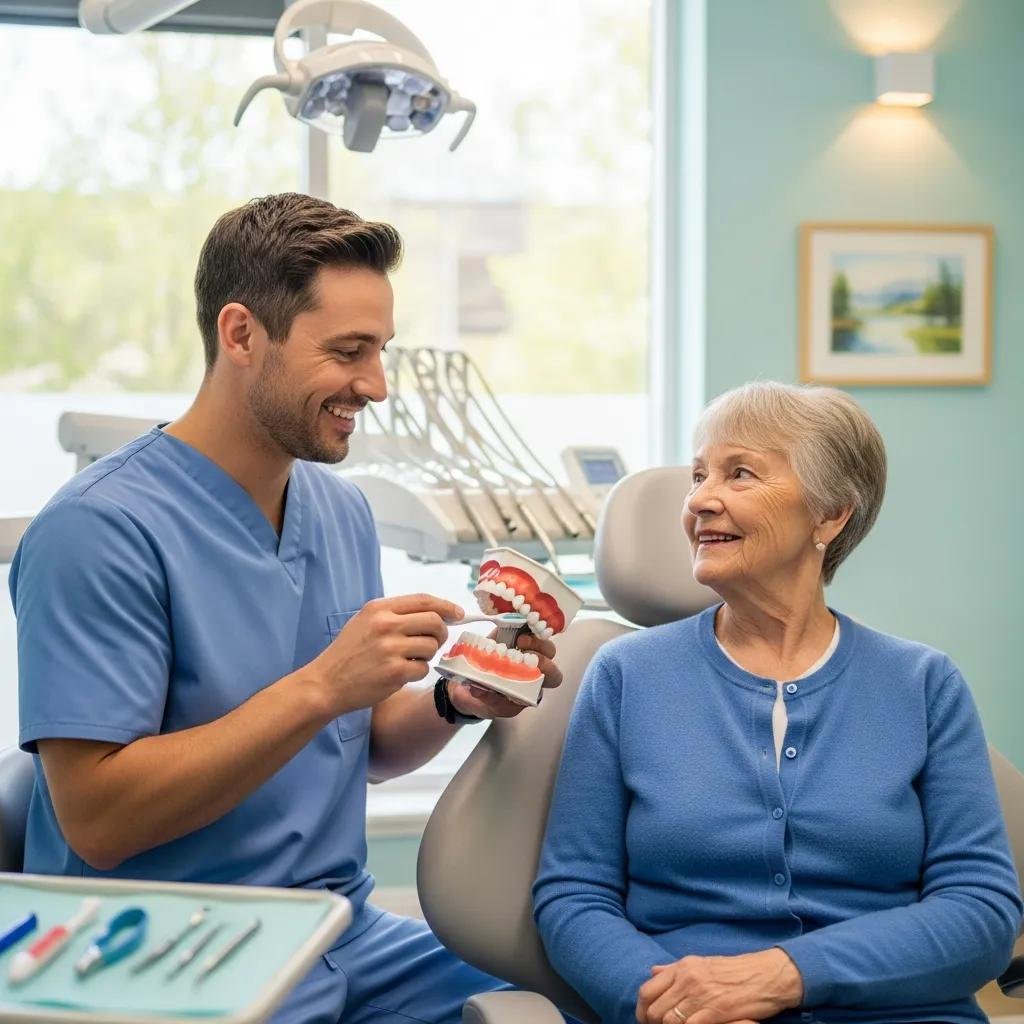
Comprehensive Dental Care for Seniors
Essential Dental Care for Seniors

Oral health becomes more important with age, and seniors face specific challenges that complicate care. This article gives practical guidance on oral hygiene, managing dental anxiety, insurance choices, and key restorative and preventive services to preserve oral health and overall well-being.
What Are the Best Oral Hygiene Practices for Seniors?
Consistent oral hygiene preserves teeth and periodontal health. Regular brushing, interdental cleaning, and routine dental exams form the foundation of care. Seniors should brush twice daily with fluoride toothpaste and a soft-bristled toothbrush, and perform daily interdental cleaning using floss or interdental brushes to remove plaque where a toothbrush cannot reach.
Evidence links regular oral hygiene with better health outcomes for older adults.
Oral Hygiene & Health Outcomes for Older Adults
Oral health in older adults is crucial to overall well-being. The high prevalence of dental caries, periodontitis, and tooth loss in older adults Chinese people, together with limited preventative care, highlights the need to investigate oral hygiene behaviors and their effects on oral health.
Oral hygiene practices and oral health outcomes among older adults in China, 2026
Daily Oral Hygiene Routines for Older Adults to Maintain Healthy Teeth and Gums
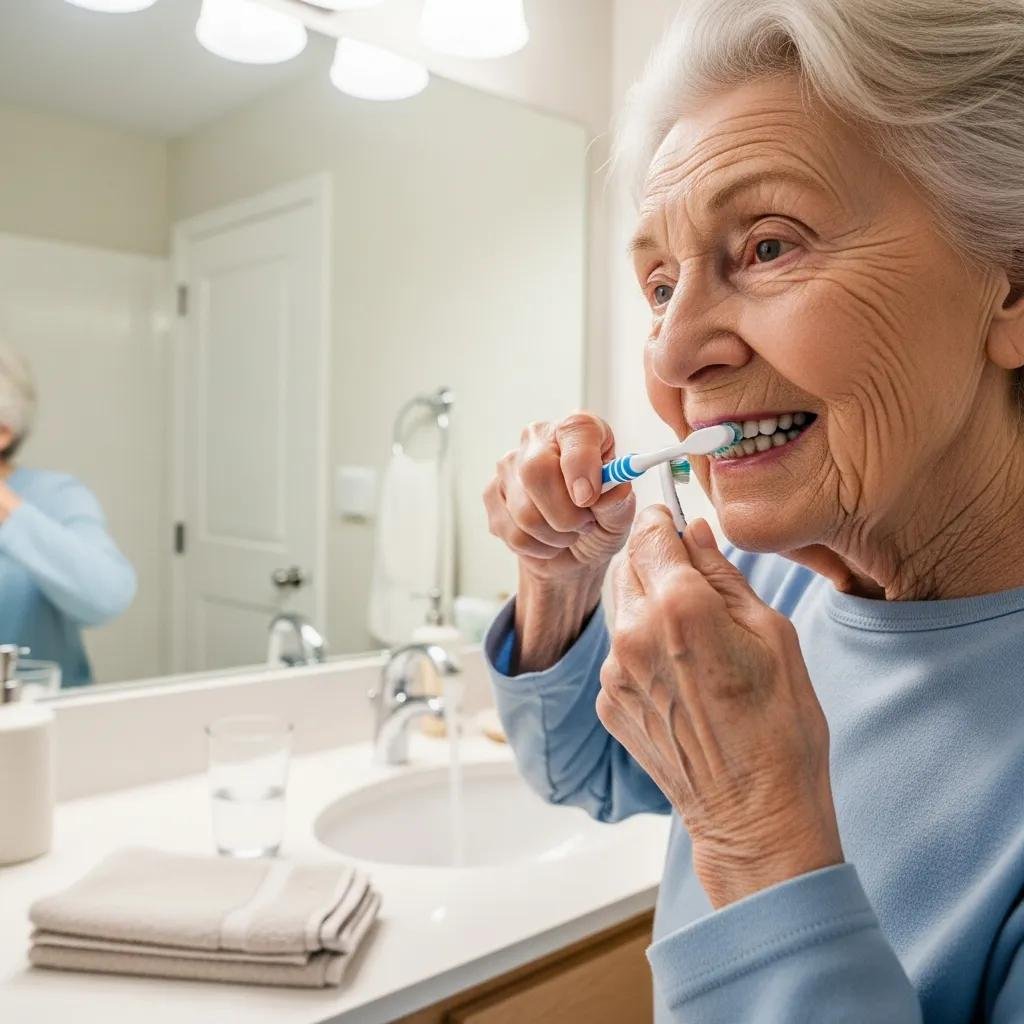
Seniors can adopt simple daily routines to strengthen oral hygiene. Key practices include:
- Brushing Techniques: Use a soft-bristled toothbrush and fluoride toothpaste. Brush for at least two minutes, covering all tooth surfaces.
- Flossing Importance: Floss or use interdental brushes daily to remove plaque and trapped food between teeth.
- Dietary Choices: Favor a balanced diet with vitamins and minerals, and limit sugary snacks and drinks that increase decay risk.
Consistently following these habits improves oral health. Newsham Dental highlights compassionate care to help seniors feel supported during hygiene routines.
Preventive Tips to Reduce Common Senior Dental Issues
Prevention lowers the chance of common dental problems. Effective measures include:
- Regular Check-Ups: Visit the dentist at least twice a year for cleanings and exams.
- Good Oral Hygiene: Maintain daily brushing and interdental cleaning to prevent plaque and cavities.
- Diet Considerations: Choose calcium-rich foods and crunchy fruits or vegetables that help clean teeth.
Following preventive steps helps preserve oral function and appearance as patients age.
How Can Dental Anxiety Be Managed Effectively in Elderly Patients?
Dental anxiety is common among seniors and can prevent needed care. Addressing anxiety ensures patients can access and complete treatment.
Gentle Dentistry Approaches Tailored for Seniors with Dental Anxiety

Gentle dentistry reduces anxiety through person-centered techniques. Approaches include:
- Calming Atmosphere: A soothing office environment helps patients relax.
- Patient-Centered Communication: Clear, empathetic explanations and time to ask questions help reduce fear.
These methods make it easier for seniors to accept and complete recommended care.
Techniques and Support to Ensure Comfort During Senior Dental Visits
Additional supports increase comfort during appointments:
- Effective Communication: Explain procedures in simple terms so patients know what to expect.
- Amenities for Comfort: Provide blankets, music, or stress-relief items to ease the visit.
Combined, these techniques reduce anxiety and improve the patient experience.
Navigating Dental Insurance Options for Seniors
Understanding dental insurance helps seniors access care without undue financial strain. Many plans offer features suited to older adults.
Understanding Dental Insurance Plans Designed for Seniors
Seniors should review plans and their features carefully. Key considerations include:
- Coverage Details: Look for plans that cover preventive care (cleanings, exams) and common restorative treatments.
- Key Terms: Know deductibles, copayments, and annual maximums before choosing a plan.
A clear understanding helps seniors pick plans aligned with their needs.
How to Choose and Utilize Senior Dental Insurance for Maximum Benefits
To get the most from dental insurance:
- Understand Your Policy: Read coverage details so you know which services are included.
- Plan Appointments Wisely: Schedule preventive visits and necessary treatments to use benefits fully.
These steps help limit out-of-pocket costs while receiving recommended care.
Which Restorative and Preventive Dental Services Are Essential for Seniors?
Seniors often need restorative and preventive services to maintain oral function and comfort. Knowing options supports informed decisions.
Common Geriatric Dental Treatments: Implants, Dentures, and More
Common restorative treatments include:
- Dentures: Full or partial dentures replace missing teeth and restore appearance and function.
- Dental Implants: Implants offer a permanent, stable option for tooth replacement.
- Restorative Procedures: Crowns and bridges repair damaged teeth and improve chewing.
These services help maintain a healthy, functional dentition as patients age.
Personalized Care Plans to Address Senior Oral Health Needs
Care should be individualized. A typical process includes assessment and a tailored plan:
- Consultation Process: Dentists perform thorough exams to identify needs and risks.
- Individualized Treatment Plans: Plans are developed to address each patient’s specific goals and limitations.
Personalized care enables effective, patient-centered treatment for seniors.
Frequently Asked Questions
What are the signs that a senior may need to see a dentist?
See a dentist for persistent toothache, swollen or bleeding gums, difficulty chewing, changes in taste, or any non-healing sore. Regular exams are important because some problems develop without obvious symptoms.
How can seniors maintain their dental health at home?
Maintain daily brushing with fluoride toothpaste and interdental cleaning. An antibacterial mouthwash may be advised in some cases. Stay hydrated, eat a balanced diet, replace toothbrushes regularly, and keep routine dental appointments.
Are there specific dietary recommendations for seniors to support oral health?
Choose calcium-rich foods (dairy, fortified alternatives) and crunchy fruits and vegetables to help clean teeth and stimulate gums. Limit sugary snacks and drinks. Adequate water intake helps clear debris and bacteria.
What role does hydration play in oral health for seniors?
Hydration is key, especially for seniors prone to dry mouth from medications or age-related changes. Saliva neutralizes acids and clears food; persistent dry mouth should be discussed with a dentist for management options.
How can caregivers assist seniors with their dental care routines?
Caregivers can remind and assist with brushing and interdental cleaning, arrange and attend appointments, promote healthy diets, and watch for oral changes to report to a dental professional. A calm, supportive approach improves adherence.
What are the benefits of regular dental check-ups for seniors?
Regular exams allow early detection of caries, periodontal disease, and oral cancer. Professional cleanings remove buildup that home care may miss, and appointments provide personalized advice and treatment planning to maintain oral health.
Conclusion
Optimal dental health is essential for seniors and affects overall quality of life. By following effective hygiene routines, addressing dental anxiety, and understanding insurance and treatment options, seniors can preserve oral health and confidence. Use these strategies and seek professional guidance tailored to individual needs.