
Daily Flossing: Key to Oral Health
Daily flossing is a simple, high-impact habit that removes interdental plaque and trapped food that a toothbrush misses. Regular interdental cleaning helps prevent gum inflammation, lowers caries risk, and reduces bad breath. This article outlines the clinical benefits, risks of omission, recommended techniques, and practical advice for starting a daily flossing routine.
What Are the Key Benefits of Daily Flossing for Oral Health?
Consistent flossing supports plaque control, healthier gums, and overall oral hygiene.
- Plaque Removal: Removes plaque between teeth to help prevent tartar.
- Prevention of Gum Disease: Lowers the chance of gingivitis and periodontitis.
- Improved Gum Health: Reduces inflammation and bleeding.
- Reduction of Bad Breath: Clears food debris that contributes to odour.
- Overall Oral Hygiene: Complements brushing for more complete cleaning.
Dr Newsham recommends daily interdental cleaning as part of a comprehensive oral-care plan to support periodontal health and comfort.
How Does Flossing Prevent Gum Disease and Plaque Buildup?
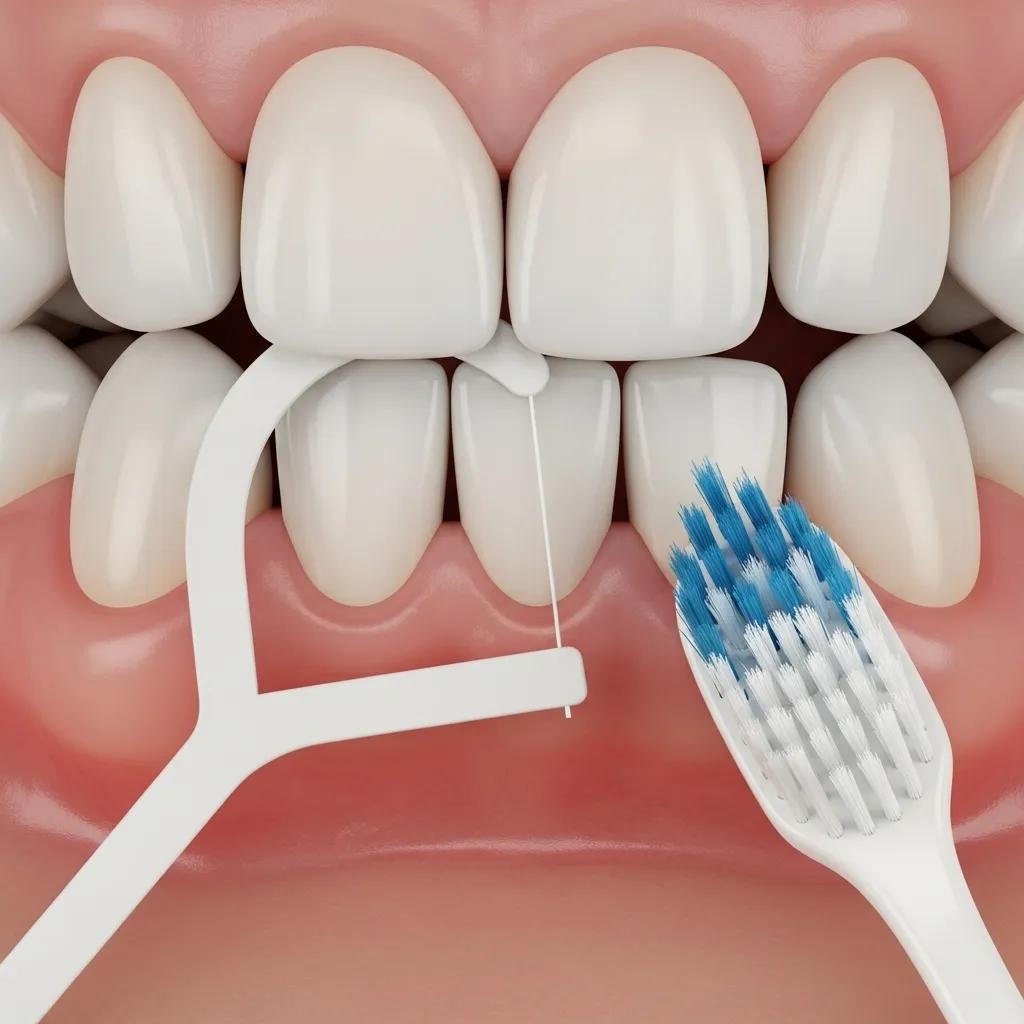
Flossing disrupts interdental biofilm before it matures into pathogenic plaque. Removing those deposits reduces gingival inflammation and helps prevent progression from gingivitis to more advanced periodontal disease.
What Recent Studies Reveal About Flossing’s Impact on Oral Microbiome?
Research shows interdental cleaning shifts the oral microbiome toward a healthier balance, with lower levels of pathogenic species and improved gingival markers. Regular cleaning is associated with greater microbial diversity and fewer signs of inflammation.
Investigations of water-based interdental devices also report favourable effects on gingival health and the supragingival environment.
Daily Water Flossing Reduces Gum Inflammation & Bad Breath
Daily water flossing can effectively alleviate gingival inflammation and reduce oral malodor, possibly by depleting oral anaerobes and altering the oral microbiota to a more aerobic phenotype.
Effects of water flossing on gingival inflammation and supragingival plaque microbiota: a 12-week randomized controlled trial, X Xu, 2023
What Are the Effects of Not Flossing on Your Teeth and Gums?
Skipping daily interdental cleaning allows plaque to build between teeth and at the gumline, increasing the risk of tartar, periodontal progression, and structural damage to the dentition.
- Accumulation of Plaque: Plaque can calcify into calculus that requires professional removal.
- Increased Risk of Gum Disease: Elevated risk of gingivitis and periodontitis.
- Potential for Tooth Loss: Advanced disease can compromise tooth support.
How Does Skipping Flossing Increase Risk of Gum Disease?
Interdental plaque produces metabolites and toxins that trigger gingival inflammation. Without regular cleaning, biofilm matures and the reversible stage of gingivitis can progress toward irreversible periodontal damage.
What Are Common Consequences of Plaque Accumulation Without Flossing?
Poor interdental hygiene commonly results in chronic gingival inflammation, higher caries risk in proximal surfaces, calculus formation, persistent halitosis, and eventual loss of supporting tissues if untreated.
How Can You Master Proper Flossing Techniques for Effective Oral Care?
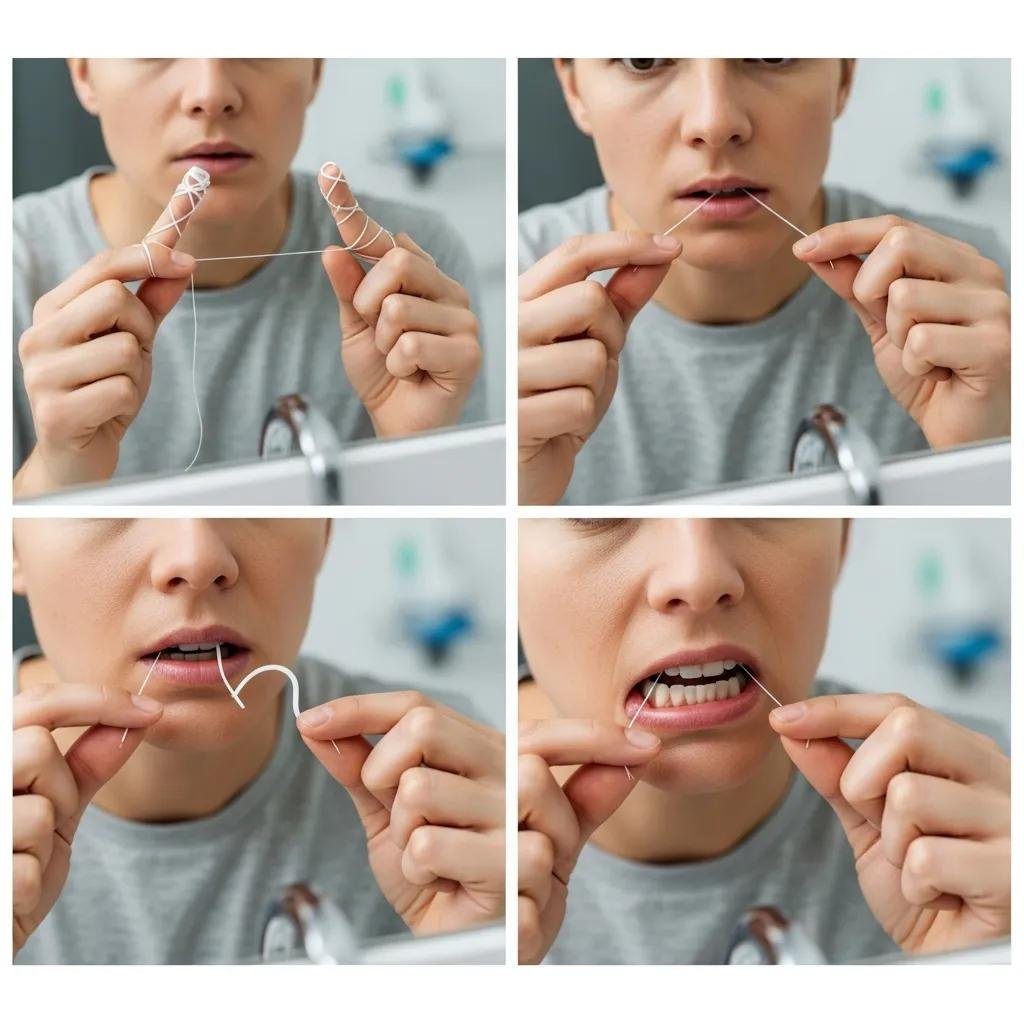
Use a controlled, gentle technique daily, adapted to your anatomy, to maximise plaque removal and protect gingival tissue.
- Flossing Once Daily: Aim for every day to maintain control of interdental plaque.
- Using a Gentle Sawing Motion: Slide the floss without snapping to avoid trauma.
- Curving Floss Around Each Tooth: Use a C-shape to clean the tooth surface and margin.
What Are Step-by-Step Instructions for Flossing Correctly?
Follow these brief steps for safe, effective flossing:
- Start with about 18 inches of floss: Wrap the ends on your fingers and leave a working section.
- Gently slide the floss between your teeth: Use a controlled sawing motion.
- Curve the floss around each tooth: Move up and down against each surface.
- Repeat for all teeth: Include the back teeth and the gumline.
How Should Children and Patients with Dental Anxiety Approach Flossing?
Introduce interdental cleaning gradually with encouragement, short sessions, and age-appropriate tools. Positive reinforcement and a calm routine improve adherence and reduce anxiety.
What Flossing Tips and Tools Are Recommended for Beginners and Sensitive Gums?
Adopt a light touch and select aids that match dexterity and comfort to protect sensitive gingiva while maintaining hygiene.
- Gentle Flossing Techniques: Be soft around the gumline.
- Recommended Types of Floss: Waxed tape often slides more easily.
- Avoiding Common Mistakes: Don’t force or snap the floss.
Which Floss Types and Tools Best Support Comfortable Daily Use?
Choose interdental aids based on comfort and clinical need: waxed floss, floss picks for convenience, or water flossers for gentler cleaning and for those with limited dexterity.
- Waxed Floss: Glides easily and resists shredding.
- Floss Picks: Convenient and often easier for children.
- Water Flossers: Gentle option for sensitive gums.
Clinical trials show interdental aids can reduce plaque and gingival bleeding when used correctly.
Water Jet & Interdental Flossing Reduce Plaque & Bleeding
Both water jet flossing and interdental flossing were effective in reducing plaque accumulation and gingival bleeding index from baseline to the 2-week follow-up.
The effectiveness of water jet flossing and interdental flossing for oral hygiene in orthodontic patients with fixed appliances: a randomized clinical trial, HS AlMoharib, 2024
What Common Flossing Mistakes Should Be Avoided for Optimal Results?
Avoid infrequent use, using the wrong interdental aid, and flossing with excessive force. Technique-appropriate daily cleaning prevents tissue damage and improves plaque control.
- Not Flossing Daily: Inconsistent use reduces benefits.
- Using the Wrong Type of Floss: Pick a product that suits your spacing and comfort.
- Flossing Too Aggressively: Can irritate or damage the gums.
Commit to daily interdental cleaning and follow tailored advice to improve oral health. Newsham Dental supports patients with personalised guidance on hygiene practices.
Frequently Asked Questions
1. How often should I floss for optimal oral health?
Floss at least once daily—often at night—to remove interdental plaque that brushing misses and reduce gingivitis and caries risk.
2. Can flossing too aggressively cause damage to my gums?
Yes. Excessive force can injure gum tissue and contribute to recession. Use a gentle sawing motion and a C-shape around each tooth.
3. What should I do if I experience bleeding while flossing?
Bleeding often indicates inflammation. Continue gentle daily flossing; if bleeding persists, see a dentist to check for periodontal disease.
4. Are there alternatives to traditional flossing for those with sensitive gums?
Yes. Water flossers, interdental brushes, and waxed tape can be effective, more comfortable alternatives depending on the embrasure size.
5. How can I encourage my children to develop a flossing habit?
Use demonstration, praise, child-friendly tools, and a consistent family routine to make flossing a normal and positive habit.
6. What are the signs that I need to improve my flossing technique?
Persistent bad breath, frequent interdental plaque, repeated bleeding, or floss that shreds indicate technique or product issues; seek professional advice if needed.
7. Is it necessary to floss if I brush my teeth regularly?
Yes. Brushing does not clean interdental spaces effectively. Combine daily brushing with interdental cleaning and regular dental check-ups for complete care.
Conclusion
Daily flossing reduces interdental plaque, lowers the risk of gum disease, and improves breath. Integrate consistent flossing into your routine and consult Dr Newsham in Rialto, CA for personalised recommendations and tools to optimise comfort and outcomes.