
The Future of Dentistry: AI and Machine Learning
The integration of artificial intelligence (AI) and machine learning into dentistry is revolutionizing the field, enhancing diagnostic accuracy, treatment precision, and patient comfort. As these technologies evolve, they promise to reshape the future of dental care, making it more efficient and accessible. This article explores how AI and machine learning are transforming dental diagnostics, reducing patient anxiety, and introducing innovative technologies that benefit families, particularly in Rialto and the Inland Empire. By understanding these advancements, patients can make informed decisions about their dental care and experience the benefits of cutting-edge technology.
How Is AI Transforming Dental Diagnostics and Imaging?
AI is significantly enhancing dental diagnostics and imaging by improving the accuracy and efficiency of various procedures. Through advanced algorithms, AI can analyze imaging data, identify anomalies, and assist dentists in making more informed decisions. This transformation not only streamlines the diagnostic process but also enhances patient outcomes by facilitating early detection of dental issues.
What Are the Key AI Dental Imaging Technologies Enhancing Diagnostic Accuracy?
Several key AI dental imaging technologies are enhancing diagnostic accuracy:
- Digital X-rays: These provide high-resolution images with reduced radiation exposure compared to traditional X-rays, allowing for better visualization of dental structures.
- Cone-beam computed tomography (CBCT): This technology offers detailed 3D views of the dental anatomy, which is crucial for complex procedures such as implants.
- Panoramic X-rays: These capture a broad view of the entire mouth, aiding in the assessment of overall dental health.
These technologies collectively improve the precision of diagnoses, leading to more effective treatment plans.
Indeed, the integration of advanced imaging systems with AI is fundamentally changing how dental professionals approach diagnostics and surgical planning.
AI & 3D Imaging Revolutionize Dental Diagnostics & Surgical Planning
The integration of artificial intelligence (AI), and three-dimensional (3D) imaging systems such as Cone Beam Computed Tomography (CBCT) are revolutionizing dental diagnostics and surgical planning. These technologies enhance the visualization of complex anatomical structures, allowing dentists to analyze images and improve diagnostic accuracy through AI-enabled detection of pathologies.
The integration of cone beam computed tomography, artificial intelligence, augmented reality, and virtual reality in dental diagnostics, surgical planning, and …, A Meto, 2025
How Does Machine Learning Improve Early Detection of Dental Conditions?
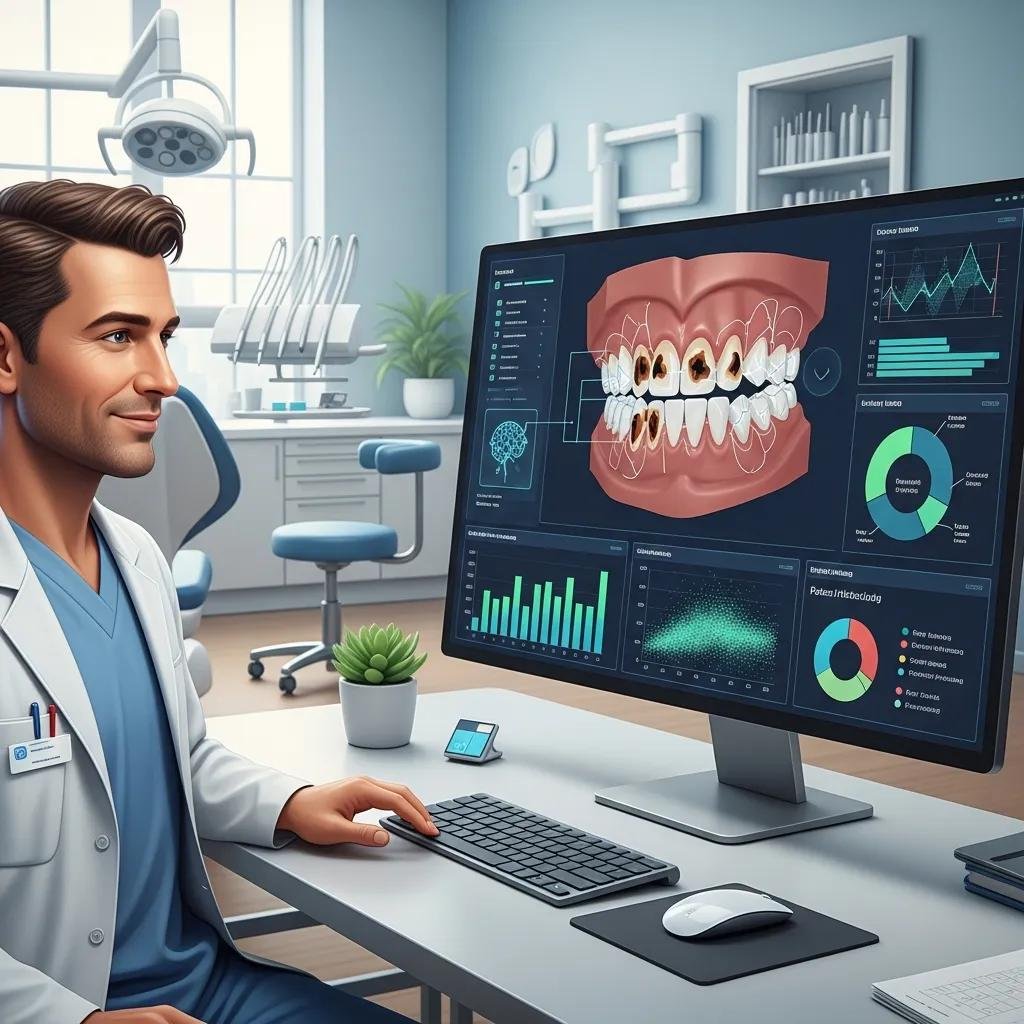
Machine learning plays a pivotal role in the early detection of dental conditions by analyzing vast amounts of data to identify patterns that may not be visible to the human eye. This capability allows for the development of personalized treatment plans based on individual patient data, ultimately improving outcomes.
For instance, machine learning algorithms can predict the likelihood of conditions such as cavities or gum disease, prompting timely interventions that can prevent more serious issues. This proactive approach not only enhances patient care but also emphasizes the importance of regular dental visits for preventive care.
Further supporting this capability, research highlights the impressive accuracy of machine learning in predicting various dental diseases.
AI & Machine Learning for Accurate Dental Disease Prediction
In this work, we used a machine learning approach for dental disease prediction in the context of the daily behavior of the people of a country. We discussed with the concerned doctors and the dentist the important factors of dental disease. With all these important factors in mind, we started collecting data from the general people and dental disease patients. After data collection and preprocessing, we used nine eminent machine-learning algorithms namelyk-nearest neighbors, logistic regression, SVM, naïve Bayes, classification and regression trees, random forest, multilayer perception, adaptive boosting, and linear discriminant analysis. For the task of assessment, we reviewed the performance of each classifier using accuracy and some noteworthy performance metrics. Logistic regression classifier outflanks every single other classifier regarding all measurements utilized by accomplishing an accuracy approaching 95.89%.
Machine learning techniques for dental disease prediction, IF Rimi, 2022
In What Ways Does Machine Learning Reduce Patient Anxiety in Dental Care?
Machine learning technologies are also instrumental in reducing patient anxiety during dental visits. By personalizing the patient experience and improving communication, these technologies help create a more comfortable environment for patients, particularly those who are anxious about dental procedures.
Which AI Tools Support Gentle Care for Anxious and Pediatric Patients?
Several AI tools are designed to support gentle care for anxious and pediatric patients:
- Patient-controlled comfort systems: These allow patients to adjust their comfort levels during procedures, helping to alleviate anxiety.
- Sedation assistance systems: AI can assist in determining the appropriate sedation methods based on individual patient needs.
- Child-centered communication tools: These tools help dental professionals communicate effectively with young patients, making the experience less intimidating.
These innovations contribute to a more positive dental experience, particularly for those who may be apprehensive about treatment.
These technological advancements are further supported by studies demonstrating how AI-assisted monitoring can significantly reduce patient discomfort and the need for sedation.
AI-Assisted Monitoring Reduces Dental Pain & Sedation Needs
These interventions reduce behavioural resistance and perceived pain which can lower the need for pharmacological sedation.
AI-driven drug dosing algorithms
What Evidence Shows Technology’s Role in Enhancing Patient Comfort?
Research indicates that technology significantly enhances patient comfort in dental settings. For example, digital imaging technologies provide accurate diagnoses without the discomfort associated with traditional methods. Additionally, tools like ultrasonic scalers and laser dentistry minimize discomfort during procedures, making dental visits more pleasant.
Studies have shown that patients who experience less discomfort are more likely to maintain regular dental visits, which is crucial for long-term oral health. This evidence underscores the importance of integrating advanced technologies into dental practices to improve patient experiences.
How Does Machine Learning Reduce Dental Patient Anxiety?
The field of dentistry is witnessing rapid advancements in digital and robotic technologies that are reshaping treatment methodologies. These innovations not only enhance precision but also streamline various dental procedures, making them more efficient.
How Does Robotic Dental Surgery Improve Treatment Precision?
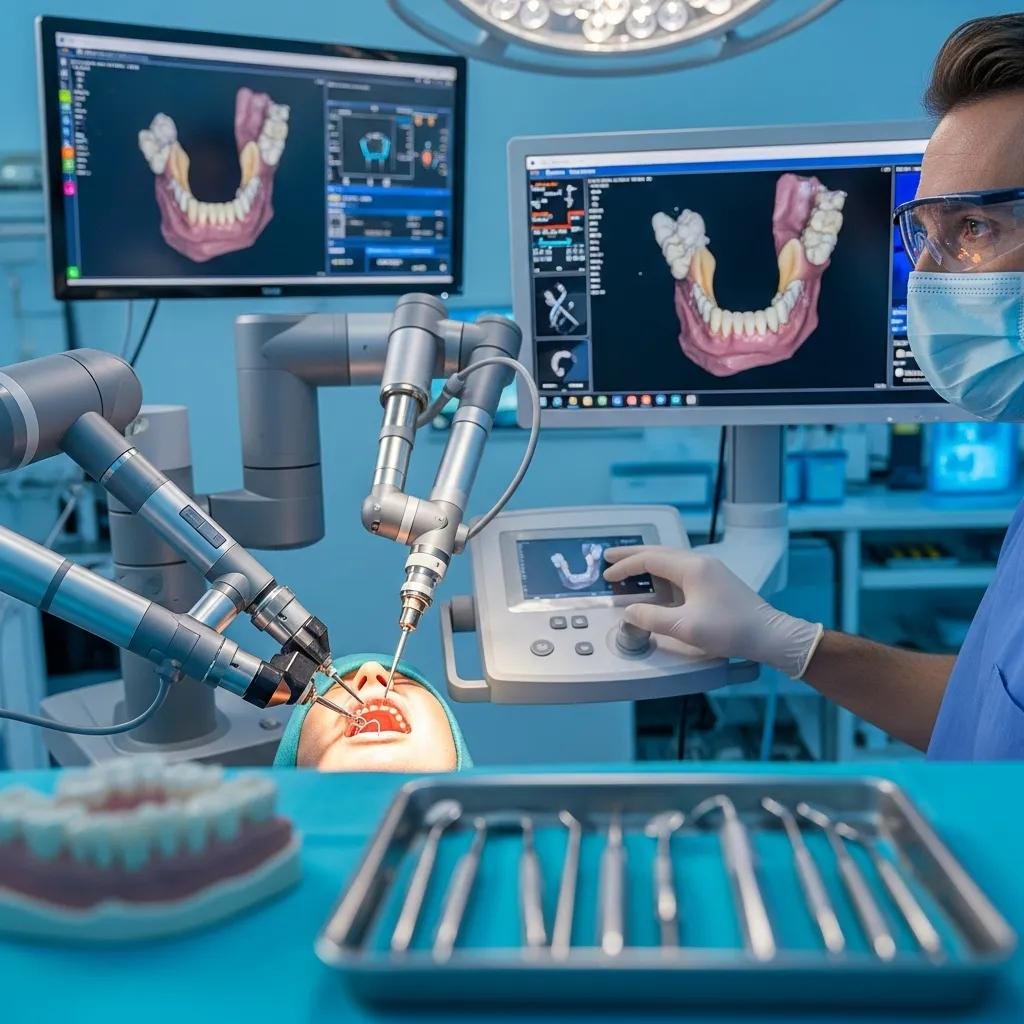
Robotic dental surgery enhances treatment precision by allowing for highly accurate implant placements and other complex procedures. The use of robotic systems minimizes human error and improves the overall success rates of dental surgeries. This technology also can reduce recovery times, enabling patients to return to their daily activities more quickly.
What Digital Dentistry Innovations Are Shaping Future Treatments?
Several digital dentistry innovations are shaping future treatments, including:
- Digital impressions: These replace traditional molds, providing more accurate representations of a patient’s dental structure.
- 3D imaging: This technology allows for detailed visualization of dental anatomy, aiding in treatment planning.
- Laser technology: Lasers are used for various procedures, offering precision and reducing recovery times.
These innovations are setting new standards in dental care, making treatments more effective and patient-friendly.
How Do AI and Machine Learning Benefit Families in Rialto and the Inland Empire?
AI and machine learning technologies are particularly beneficial for families in Rialto and the Inland Empire, providing access to advanced dental care that prioritizes comfort and efficiency. These technologies enable dental practices to offer personalized care tailored to the unique needs of each family member.
What Advanced Dental Technologies Does Newsham Dental Offer Locally?
Newsham Dental offers several advanced dental technologies, including:
- Laser dentistry: This technology enhances precision and minimizes discomfort during procedures.
- Digital X-rays: These provide high-quality images with lower radiation exposure.
- Same-day crowns: This innovation allows for the creation of crowns in a single visit, improving convenience for patients.
These offerings reflect Newsham Dental’s commitment to providing compassionate care, especially for anxious patients and children.
How Does Technology Enhance Compassionate Care for Children and Families?
Technology plays a crucial role in enhancing compassionate care for children and families by creating a supportive environment. For instance, the use of digital tools allows for better communication between dental professionals and young patients, helping to alleviate fears and build trust. Additionally, advancements in treatment methods ensure that children receive the highest quality of care with minimal discomfort.
By prioritizing both technological advancements and compassionate care, dental practices can create a positive experience for families, encouraging regular visits and promoting long-term oral health.
How Can Patients Schedule Appointments to Experience AI-Enhanced Dental Care?
Scheduling appointments for AI-enhanced dental care is straightforward and designed to accommodate the needs of patients. With the integration of technology, dental practices can offer various methods for booking appointments, ensuring convenience for all patients.
What Is the Process for Booking Advanced Technology Dental Services at Newsham Dental?
Patients can easily book advanced technology dental services at Newsham Dental through several methods:
- Call the office: Patients can reach out directly to schedule their appointments.
- Use online booking: The practice offers an online platform for easy appointment scheduling.
- Visit in person: Patients are welcome to stop by the office to make appointments and ask questions.
This flexibility ensures that patients can choose the method that best suits their needs, making access to advanced dental care more convenient.
Which Patient Resources Support a Comfortable Visit with AI Integration?
To support a comfortable visit, Newsham Dental provides several patient resources, including:
- Dental demand valve: This system helps manage patient comfort during procedures.
- Caring staff: The team is trained to provide compassionate care, especially for anxious patients.
- Calming office environment: The practice is designed to create a soothing atmosphere for all patients.
These resources are essential in ensuring that patients feel at ease during their visits, allowing them to benefit fully from the advanced technologies offered.