
How Exercise and Physical Activity Benefit Your Oral Health
Engaging in regular exercise and physical activity is not only essential for overall health but also plays a significant role in maintaining oral health. This article explores the intricate relationship between physical fitness and oral hygiene, highlighting how exercise can enhance gum health, promote saliva production, and even alleviate dental anxiety. Many individuals overlook the connection between their physical activity levels and their oral health, often leading to preventable dental issues. By understanding the physiological effects of exercise on oral health, readers can adopt healthier lifestyles that benefit both their bodies and their smiles. This guide will delve into the physiological effects of exercise on oral health, the prevention of gum disease, the management of dental anxiety, and practical oral health tips for active families.
What Are the Physiological Effects of Exercise on Oral Health?
Exercise has profound physiological effects on oral health, primarily through its ability to enhance blood circulation and reduce inflammation. Increased blood flow during physical activity delivers essential nutrients to the gums, promoting healing and overall gum health. Additionally, exercise has been shown to lower levels of stress hormones, which can negatively impact oral health. By reducing inflammation and improving circulation, regular physical activity contributes to healthier gums and a lower risk of periodontal disease.
How Does Physical Activity Reduce Gum Inflammation and Promote Gum Health?
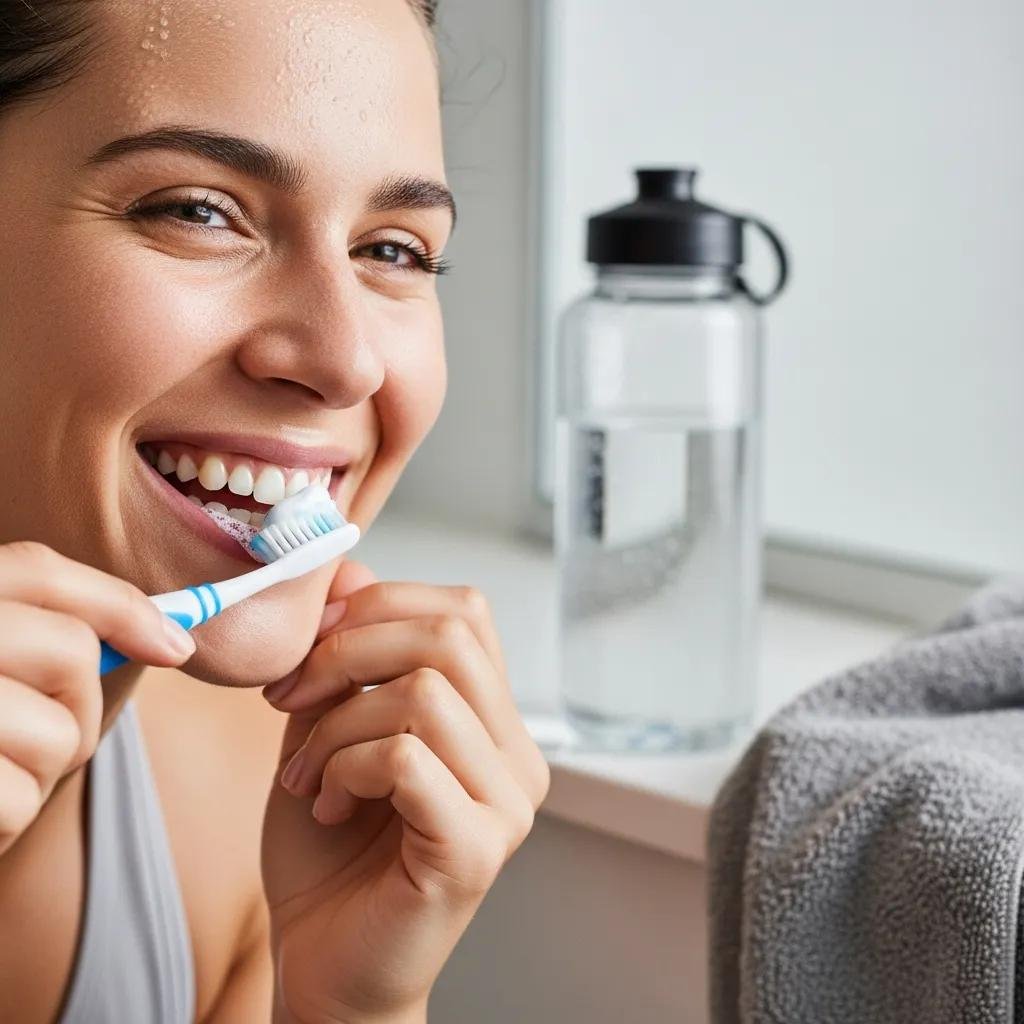
Physical activity significantly reduces gum inflammation by enhancing blood circulation and promoting the delivery of oxygen and nutrients to the gum tissues. Studies indicate that individuals who engage in regular exercise experience lower levels of inflammatory markers in their bodies, which directly correlates with improved gum health. This reduction in inflammation not only helps maintain healthy gums but also supports the overall immune response, making it easier for the body to combat oral infections.
In What Ways Does Exercise Influence Saliva Production and Oral Bacteria Balance?
Exercise can positively influence saliva production, which is crucial for maintaining oral health. Saliva acts as a natural defense mechanism against cavities and gum disease by neutralizing acids and washing away food particles. Some physical activities may stimulate saliva flow, enhancing its protective effects. Furthermore, regular exercise helps maintain a balanced oral microbiome by promoting the growth of beneficial bacteria while inhibiting harmful pathogens, thus contributing to better oral hygiene.
How Does Regular Exercise Help Prevent Gum Disease and Support Dental Hygiene?
Regular exercise is linked to a lower risk of gum disease, primarily due to its anti-inflammatory effects and its role in maintaining a healthy weight. Individuals who engage in consistent physical activity are less likely to develop periodontal disease, as exercise helps regulate blood sugar levels and reduces systemic inflammation. This connection underscores the importance of integrating physical fitness into daily routines for optimal oral health.
What Is the Link Between Fitness and Reduced Periodontal Disease Risk?
Research has shown a correlation between fitness levels and the risk of developing periodontal disease. Active individuals tend to have healthier immune systems, which can effectively combat the bacteria that cause gum disease. Some studies suggest that those who exercised regularly had a notably lower risk of developing periodontal disease compared to sedentary individuals. This statistic highlights the importance of maintaining an active lifestyle for oral health, although exact percentages vary across studies.
How Does Exercise Contribute to Maintaining a Healthy Oral Microbiome?
Exercise contributes to a balanced oral microbiome by promoting the growth of beneficial bacteria while suppressing harmful ones. Regular physical activity enhances the body’s immune response, which is crucial for maintaining a healthy balance of oral bacteria. A diverse microbiome is essential for preventing dental issues, as it helps protect against infections and supports overall oral health.
Can Physical Activity Assist in Managing Dental Anxiety for Patients?
Physical activity can be a powerful tool in managing dental anxiety, which affects many individuals when visiting the dentist. Engaging in regular exercise helps reduce stress and anxiety levels, making dental visits less daunting. By incorporating physical activity into their routines, patients can experience a greater sense of calm and control, which can significantly improve their dental care experiences.
What Are the Benefits of an Active Lifestyle in Reducing Dental Anxiety?
An active lifestyle offers numerous benefits for reducing dental anxiety. Exercise releases endorphins, which are natural mood lifters that can alleviate feelings of stress and anxiety. Additionally, regular physical activity can improve sleep quality, further enhancing emotional well-being. Patients who maintain an active lifestyle often report feeling more relaxed and less anxious during dental appointments.
How Does Exercise Complement Gentle Dental Care for Anxious Patients?
For patients with dental anxiety, combining exercise with gentle dental care can create a supportive environment that fosters relaxation. Gentle dental practices, such as those offered by Newsham Dental, focus on compassionate care tailored to individual needs. By integrating physical activity into their routines, patients can enhance their overall well-being, making it easier to approach dental visits with a positive mindset.
What Oral Health Tips Should Active Families and Children Follow?

Active families and children can benefit from integrating oral health practices into their routines. Establishing a connection between physical activity and oral hygiene can promote lifelong healthy habits. Families should prioritize regular dental check-ups and encourage children to maintain good oral hygiene practices alongside their active lifestyles.
How Can Families Integrate Exercise and Oral Hygiene Practices Effectively?
Families can effectively integrate exercise and oral hygiene by creating a routine that includes both physical activity and dental care. For example, parents can encourage children to brush their teeth after meals, followed by a fun family activity like a walk or bike ride. This approach not only reinforces good dental habits but also promotes family bonding through shared physical activities.
What Are Recommended Dental Care Strategies for Physically Active Children?
Physically active children face unique challenges regarding dental care, particularly concerning their diets and oral hygiene practices. Parents should encourage healthy eating habits that support oral health, such as consuming calcium-rich foods and limiting sugary snacks. Additionally, teaching children the importance of regular brushing and flossing after physical activities can help prevent dental issues.
How Does Exercise Prevent Gum Disease and Improve Dental Hygiene?
Nutrition and fitness work hand in hand to enhance oral hygiene and overall dental health. A balanced diet rich in vitamins and minerals supports the body’s immune system, while regular exercise promotes blood circulation and reduces inflammation. Together, these factors contribute to healthier gums and teeth.
What Role Does Balanced Nutrition Play Alongside Exercise in Oral Health?
Balanced nutrition plays a crucial role in oral health by providing the necessary nutrients for maintaining strong teeth and healthy gums. Foods rich in vitamins C and D, calcium, and phosphorus are essential for oral health. When combined with regular exercise, a nutritious diet can significantly enhance the body’s ability to fight off infections and maintain optimal dental hygiene.
How Can an Active Lifestyle Enhance the Effectiveness of Dental Hygiene?
An active lifestyle enhances the effectiveness of dental hygiene by promoting overall health and well-being. Regular physical activity can improve blood flow to the gums, facilitating the delivery of essential nutrients that support gum health. Additionally, individuals who exercise regularly are more likely to prioritize their oral hygiene, leading to better dental outcomes.
| Exercise Type | Benefit | Impact on Oral Health |
|---|---|---|
| Aerobic Exercise | Improves circulation | Enhances gum health |
| Strength Training | Reduces inflammation | Lowers periodontal disease risk |
| Flexibility Exercises | Reduces stress | Alleviates dental anxiety |
This table illustrates how different types of exercise contribute to oral health, emphasizing the importance of a well-rounded fitness routine.
In conclusion, the benefits of exercise and physical activity extend beyond physical fitness, significantly impacting oral health. By understanding the physiological effects of exercise, families can adopt healthier lifestyles that promote both physical and dental well-being. Regular physical activity, combined with proper nutrition and oral hygiene practices, can lead to a lifetime of healthy smiles.