
Gentle Tooth Extractions Made Easy
Gentle tooth extractions are a core part of modern dental care for patients who feel anxious or uncomfortable. This guide summarises when extraction is appropriate, the minimally traumatic techniques used, and practical pain- and anxiety-management strategies. It also covers paediatric considerations and essential aftercare.
What Are Gentle Tooth Extractions and When Are They Required?
Gentle tooth extractions use careful techniques to remove a tooth while limiting trauma to nearby tissues. Dentists recommend extraction for teeth that are severely damaged, extensively decayed, or impacted. The main goal is patient comfort, especially for those who are apprehensive about dental treatment.
Which Conditions Indicate the Need for Tooth Extraction?
Several conditions may necessitate extraction, including:
- Severe Toothaches: Persistent pain that indicates unresolved pathology.
- Dental Abscesses: Infections not resolving with conservative care may need removal to prevent spread.
- Impacted Teeth: Teeth that fail to erupt, cause crowding, or cause pain may be removed.
Early recognition of these issues supports timely assessment and treatment planning.
How Do Minimally Invasive Techniques Improve Extraction Outcomes?
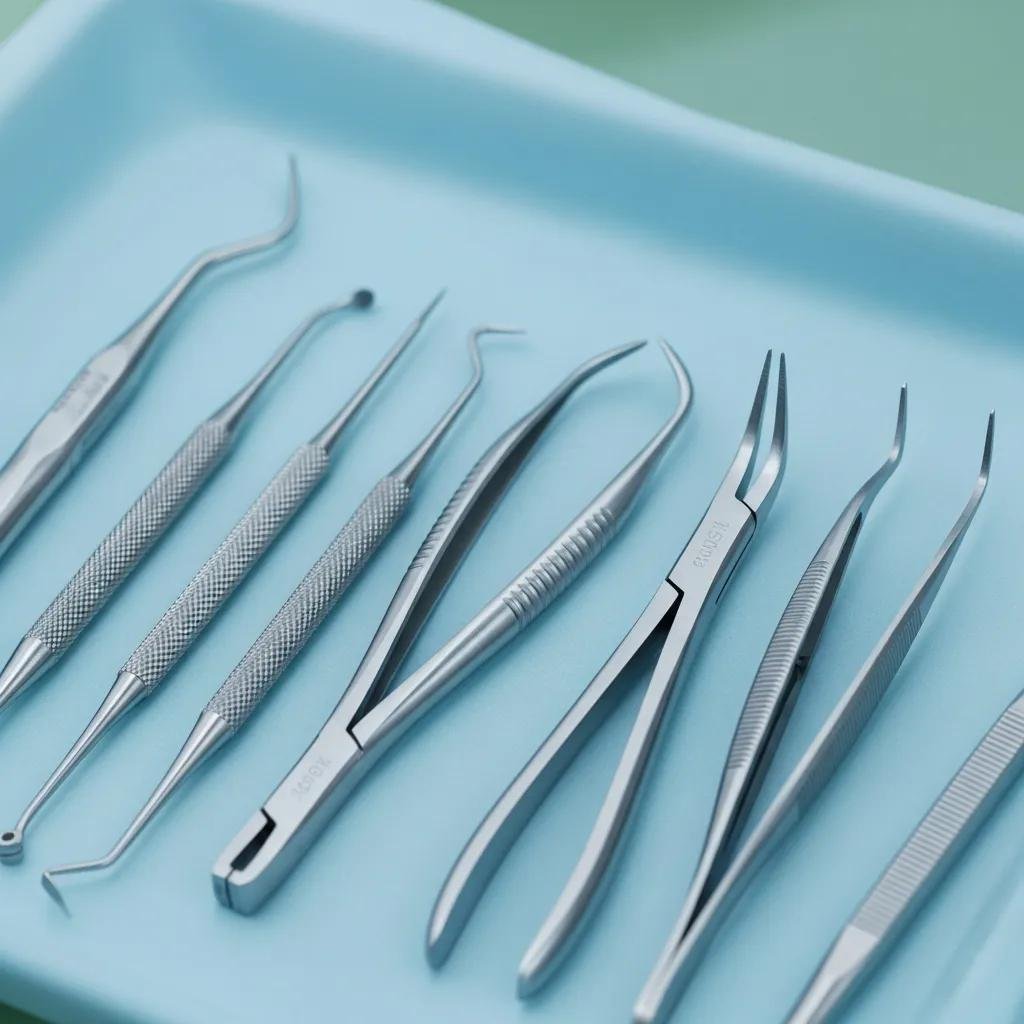
Minimally invasive methods reduce surgical trauma and help preserve surrounding tissues. Key benefits include:
- Smaller Incisions: Less invasive access can shorten recovery.
- Reduced Postoperative Discomfort: Gentler technique often lowers pain and swelling.
- Enhanced Patient Comfort: Less discomfort reduces procedural anxiety.
These advances allow more precise extractions with less distress for patients.
How Is Pain and Anxiety Managed During Gentle Tooth Extractions?
Managing pain and anxiety is central to a positive experience. Dentists combine local anaesthesia, appropriate sedation, and clear communication to keep patients comfortable throughout the procedure.
What Sedation and Local Anesthesia Options Are Available?
Common anaesthesia and sedation choices include:
- Nitrous Oxide: Relaxes patients while they remain conscious.
- Oral Sedation: A pre-procedure pill to reduce anxiety.
- IV Sedation: Deeper, controllable sedation for more complex cases.
These options are selected according to each patient’s clinical and psychological needs to improve tolerance of the procedure.
Evidence supports conscious sedation techniques as effective tools for managing dental anxiety during extractions.
Conscious Sedation for Dental Anxiety in Tooth Extraction
Dental anxiety is a condition associated with avoidance of dental treatment and increased medical and surgical risks. This systematic review aims to summarize available evidence on conscious sedation techniques used for the management of Dental anxiety in patients scheduled for third molar extraction surgery, to identify best approaches and knowledge gaps.
Conscious sedation for the management of dental anxiety in third molar extraction surgery: a systematic review, M Melini, 2020
How Does Newsham Dental Address Dental Anxiety in Patients?
At New Sham Dental, the team offers compassionate, patient-centred care aimed at reducing anxiety. Their approach combines clear explanations, gentle technique, and a welcoming environment to make visits less stressful.
- Calm Communication: Dentists explain steps and answer questions to reduce uncertainty.
- Gentle Techniques: Minimally invasive methods limit discomfort.
- Comfortable Environment: A relaxed setting helps patients feel more at ease.
These steps help patients with prior negative experiences feel safer. For those with marked anxiety, intravenous sedation may be offered to ensure a smooth extraction.
Intravenous Sedation for High Dental Anxiety During Wisdom Tooth Extraction
IntroductionIntravenous sedation is performed to ensure smooth and safe surgery. Dental anxiety is a reaction to an unknown danger. The Spielberger’s state-trait anxiety inventory (STAI) can be used to simultaneously evaluate the levels of state and trait anxiety. State anxiety is defined as subjective feelings of nervousness. This study assessed the presurgical anxiety using STAI and performed intravenous sedation for patients whose level of state anxiety was > stage IV. Based on our clinical experience, it is believed that higher doses of sedatives are needed to induce the desired levels of sedation in patients with a high level of state anxiety.
Sedative methods used during extraction of wisdom teeth in patients with a high level of dental anxiety, 2011
What Are the Specific Considerations for Pediatric Tooth Extractions?

Pediatric extractions require developmental and behavioural adjustments to keep children safe and comfortable. Clinicians plan care around age, communication style, and appropriate analgesia.
Which Child Tooth Extraction Methods Ensure Comfort and Safety?
Methods that prioritise comfort for children include:
- Child-Centered Communication: Use age-appropriate explanations to reduce fear.
- Sedation Options: When needed, sedation helps reduce anxiety and allows safe treatment.
- Gentle Care Approach: Techniques that limit discomfort and preserve developing tissues.
These methods support positive experiences and healthy long-term attitudes to dental care.
How Is Anxiety Reduced in Pediatric Dental Procedures?
Clinicians use evidence-based methods to reduce child anxiety, such as:
- Gradual Exposure: Familiarising children with the clinic and equipment.
- Calm Communication: Reassuring language and a steady tone.
- Praise and Rewards: Positive reinforcement after treatment.
Consistent use of these strategies builds trust between children and dental teams.
What Are the Best Practices for Tooth Extraction Aftercare?
Good aftercare promotes healing and lowers complication risk. Patients should follow clinician instructions closely to support recovery.
Which Steps Promote Healing and Minimize Complications?
To encourage healing, patients should:
- Follow Dentist’s Instructions: Adhere to postoperative guidance from your clinician.
- Dietary Adjustments: Stick to soft foods initially to avoid disturbing the site.
- Pain Management: Use prescribed or recommended analgesics as directed.
Careful adherence to these measures reduces the likelihood of problems and speeds recovery.
How Long Is the Typical Recovery Period After Extraction?
Recovery varies with extraction complexity and overall health. Initial healing commonly begins within 24–48 hours; complete recovery often takes 1–2 weeks. Age, systemic health, and following aftercare instructions affect timing.
Knowing these timelines helps patients prepare and feel reassured that professional care will support healing.
Frequently Asked Questions
What should I expect during a gentle tooth extraction?
You can expect a focus on minimising discomfort. The dentist will provide local anaesthesia or sedation, use careful technique, and explain aftercare. You may feel pressure but should have little pain, and you’ll receive clear instructions for recovery.
Are there any risks associated with gentle tooth extractions?
Risks remain but are reduced with gentle technique and correct aftercare. Possible complications include infection, dry socket, or prolonged bleeding. Contact your dentist if you notice unusual pain, bleeding, or signs of infection.
How can I prepare for a tooth extraction appointment?
Tell your dentist about medications and medical conditions. Arrange transport home if you’ll be sedated, follow any fasting instructions, and bring questions so you understand the plan.
What are the signs of complications after a tooth extraction?
Watch for severe or worsening pain, persistent bleeding, prolonged swelling, fever, or a bad taste or odour. If you notice these signs, contact your dentist promptly for assessment.
Can I eat normally after a tooth extraction?
Start with soft foods (yoghurt, applesauce, mashed potatoes) for a few days. Avoid hard, crunchy, or spicy foods and do not use straws to prevent dislodging the clot. Gradually return to your normal diet as healing permits.
How can I manage pain after a tooth extraction?
Use prescribed analgesics or recommended over-the-counter medications as directed. Apply a cold compress externally for swelling and avoid aspirin if possible. If pain persists or worsens, contact your dentist.
Gentle Tooth Extractions: Key Benefits, Aftercare & Consultation
Gentle tooth extractions combine minimally invasive technique and appropriate sedation to reduce discomfort and anxiety. Following aftercare instructions helps ensure smooth recovery. If you would like a more comfortable extraction experience, consider arranging a consultation with our team.