
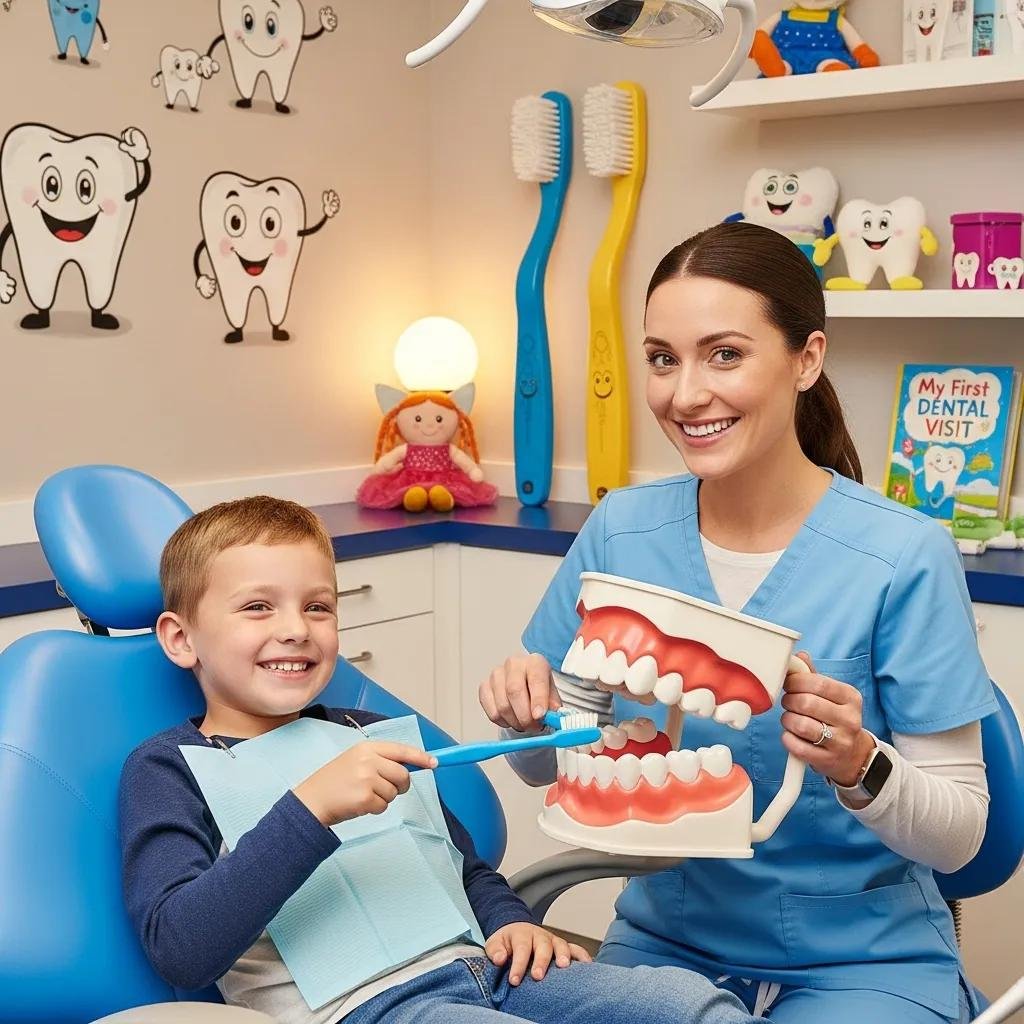
Essential Tips for Your Child’s First Dental Visit
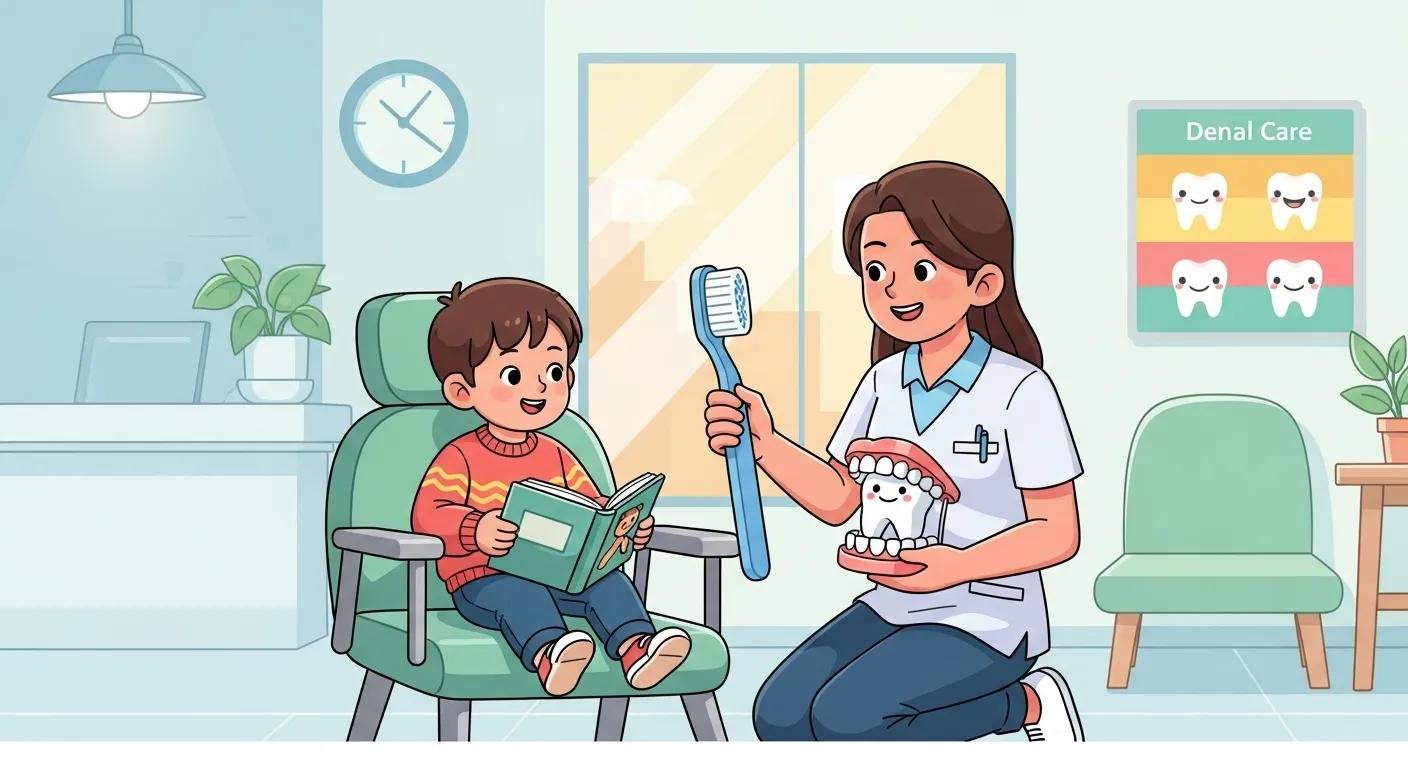
A child’s initial dental appointment represents an important milestone for both the child and the parent. Familiarity with the process reduces anxiety and supports a constructive experience. This article provides practical guidance on preparing your child for the first appointment, what occurs during a pediatric dental examination, and strategies to manage dental anxiety. Anticipation and preparation help your child remain comfortable and confident during the visit.
How Can Parents Prepare Their Child for the First Dental Appointment?
Preparation is essential to ensure a smooth first appointment. Parents can take specific steps to familiarise the child with the clinic and the clinical process, which reduces fear and encourages cooperation.
What Are Effective Steps for First Dental Appointment Preparation?

- Use Positive Language: Talk about the dentist in a positive light, emphasizing that they help keep teeth healthy and strong.
- Role-Play Dental Visits: Engage in pretend play where you act as the dentist and your child as the patient. This can demystify the experience.
- Gather Medical History: Prepare a list of your child’s medical history, including any medications and dental concerns, to share with the dentist.
These measures commonly reduce distress and increase a child’s readiness for the appointment.
Clinical studies and professional guidance further underscore the role of parental preparation in shaping positive early dental experiences.
Guide for Parents: Preparing Children for Their First Dental Visit
to prepare their child for the first dental visit. Forty-five children and one parent per included child were evaluated. At the end of the visit, the dentist and the parent evaluated the child’s behavior through a questionnaire.
Preparing children for their first dental visit: a guide for parents, S Bagattoni, 2022
Which Items Should Parents Bring to the Child’s Dental Visit?
Bringing appropriate items can enhance your child’s comfort during the appointment. Consider packing the following items and adopting a calm approach.
- Comfort Items: A favorite toy or blanket can provide reassurance.
- Calm Demeanor: Your attitude can influence your child’s feelings; stay calm and positive.
- Encourage Questions: Allow your child to ask questions about the visit, which can help alleviate fears.
These items and behaviours contribute to a calmer, more positive visit.
What Happens During a Pediatric Dental Checkup for Children?
A pediatric dental checkup is structured to be informative and non-threatening. Familiarity with the sequence of care can help alleviate a child’s concerns and set expectations for the visit.
Which Procedures Are Common in a Child’s First Dental Visit?
- Gentle Examination: The dentist will perform a thorough examination of your child’s teeth and gums.
- Oral Hygiene Guidance: The dentist will provide tips on proper brushing and flossing techniques.
- Dietary Habits Discussion: Conversations about healthy eating habits that promote dental health will be held.
These assessments and interventions establish the foundation for sound oral health.
How Does the Pediatric Dentist Ensure Child Comfort and Safety?
Pediatric dentists and their clinical teams receive training to create a reassuring environment. They apply targeted communication, behavioural strategies and safety protocols to promote cooperation and protect the child’s well‑being.
- Gentle Care Environment: The office is designed to be welcoming and child-friendly.
- Child-Centered Communication: Dentists use age-appropriate language to explain procedures.
- Anxiety-Management Techniques: Techniques such as distraction and positive reinforcement are used to ease anxiety.
Collectively, these measures promote a sense of safety and trust during appointments.
A consistent, child-centred protocol is fundamental to a successful first visit and supports long-term engagement with dental care.
Child’s First Dental Visit: A Gentle Protocol
This paper outlines a workable protocol for a child’s first dental appointment. The protocol emphasizes a gentle, child-friendly approach, recognizing that the child gains comfort from the parent and the environment.
A Child’s First Dental Visit: A Protocol., 1984
How Can Parents Manage and Calm Child Dental Anxiety Effectively?
Effective management of dental anxiety supports cooperation and positive attitudes toward future care. Parents can adopt several evidence-based strategies to assist their child.
What Techniques Help Reduce Kids’ Dental Anxiety?
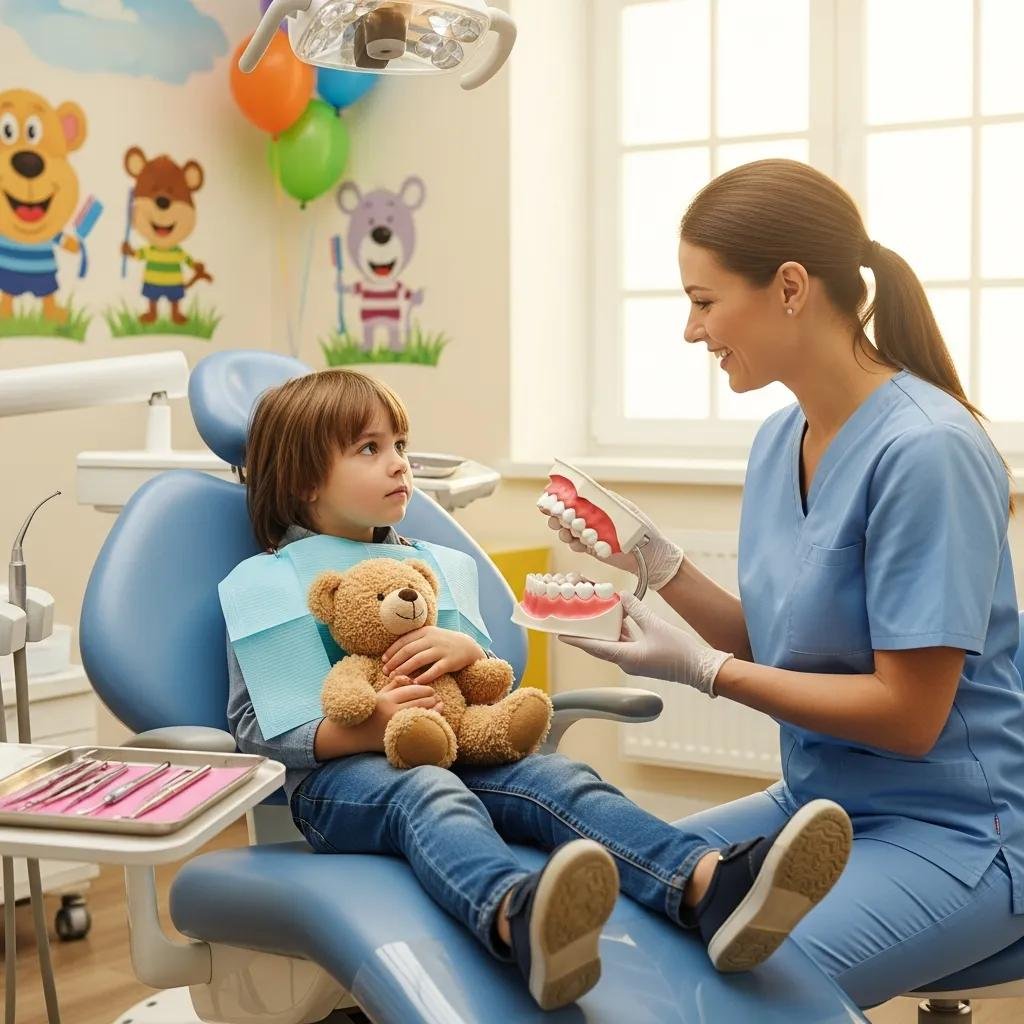
- Gradual Exposure: Introduce your child to the dental environment gradually, perhaps by visiting the office before the appointment.
- Positive Reinforcement: Praise your child for their bravery during the visit, reinforcing positive behavior.
- Calm Explanations: Explain what will happen during the visit in a calm and reassuring manner.
Applied consistently, these approaches reduce fear and encourage cooperative behaviour.
Research consistently identifies parental involvement as a key factor in producing cooperative, positive dental experiences for children.
Creating Positive Pediatric Dental Experiences Through Parent Involvement
hygiene practices, dietary habits, and the importance of regular dental visits empowers them to support their children’s oral health journey. Moreover, involving parents in the treatment process is crucial for creating a positive and cooperative environment.
Behavior Management Techniques in Pediatric Dentistry: Creating Positive Dental Experiences, M Patel, 2023
How Does Newsham Dental Provide Gentle Pediatric Dentistry in Rialto?
At Newsham Dental, we provide compassionate, paediatric-focused care tailored to each child’s needs. Our clinical approach prioritises comfort, clear communication and preventive strategies to support oral health.
- Compassionate Care: We prioritize a gentle and understanding approach to every child’s needs.
- Child-Centered Communication: Our team communicates in a way that is relatable and comforting for children.
- Focus on Prevention: We emphasize preventive care to help children maintain healthy smiles.
By maintaining a supportive, child-focused environment, Newsham Dental seeks to make each visit constructive and reassuring.
Frequently Asked Questions
What age is appropriate for a child’s first dental visit?
The American Academy of Pediatric Dentistry recommends an initial dental visit by the child’s first birthday or within six months of the eruption of the first tooth. Early establishment of a dental home permits preventive care and oral hygiene education, facilitates early identification of potential problems, and helps set the foundation for lifelong oral health.
How can I choose the right pediatric dentist for my child?
Selecting an appropriate pediatric dentist requires evaluation of professional training, experience with children, and behavioural management skills. Seek recommendations from your child’s paediatrician, family or friends. Visit the practice to assess whether it is welcoming and child‑friendly, and confirm that the dentist communicates effectively with both you and your child.
What should I do if my child is afraid of the dentist?
If your child is afraid, acknowledge their feelings and discuss them calmly. Use age‑appropriate, positive language to describe the visit. Gradual exposure—such as a pre‑visit tour—and role‑playing at home can reduce uncertainty. Praise or small rewards after the appointment reinforce cooperative behaviour.
Are there any specific dental care tips for toddlers?
Dental care for toddlers is essential as primary teeth develop. Parents should brush their child’s teeth twice daily with a fluoride toothpaste, using a small, pea‑sized amount. Begin flossing once two teeth contact. Limit sugary snacks and sweetened drinks to reduce caries risk. Regular dental examinations every six months are recommended to monitor development and address concerns early.
What should I expect after my child’s dental visit?
After the appointment, the dentist will review your child’s oral health and identify any areas for improvement. If treatment was performed, your child may experience mild, temporary discomfort. Follow any post‑visit care instructions provided by the dentist, including dietary or oral hygiene recommendations, to support recovery and ongoing oral health.
How can I encourage my child to maintain good oral hygiene at home?
Promote home oral hygiene through education and positive reinforcement. Explain how brushing and flossing protect teeth. Use engaging tools—such as a child‑sized toothbrush or a short song—to make routines consistent. Establish a regular schedule and reinforce success with praise or small rewards to maintain good habits.
Conclusion
Adequate preparation for a child’s first dental appointment improves comfort and confidence and increases the likelihood of a positive experience. Strategies such as role‑playing and positive framing reduce anxiety and foster a sense of security. Familiarity with paediatric dental procedures and the clinical environment reinforces the value of early care. Consult available resources to continue supporting your child’s oral health journey.