
Your Guide to Custom Dental Crowns
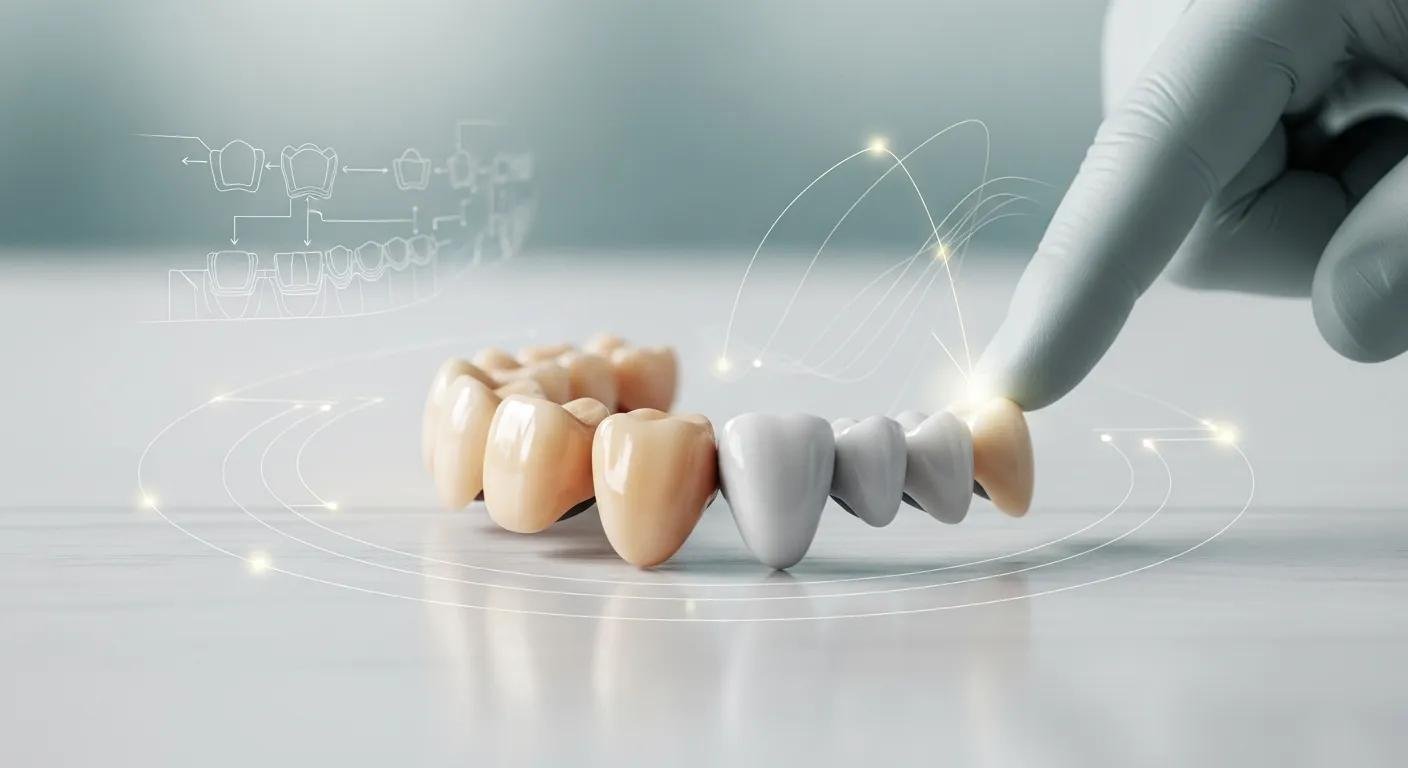
Custom dental crowns are restorative prostheses that cover and protect damaged teeth, restoring both function and appearance. They are fabricated from a range of materials, each offering clinical advantages to meet individual patient needs. This guide reviews the principal crown types, the procedural steps, expected benefits and longevity, and the factors that influence cost. Many patients experience anxiety about dental treatment; clear information can reduce concern and support better outcomes. The following sections outline available crown options, the clinical process, the benefits provided, and typical cost considerations.
What Are the Different Types of Custom Dental Crowns?
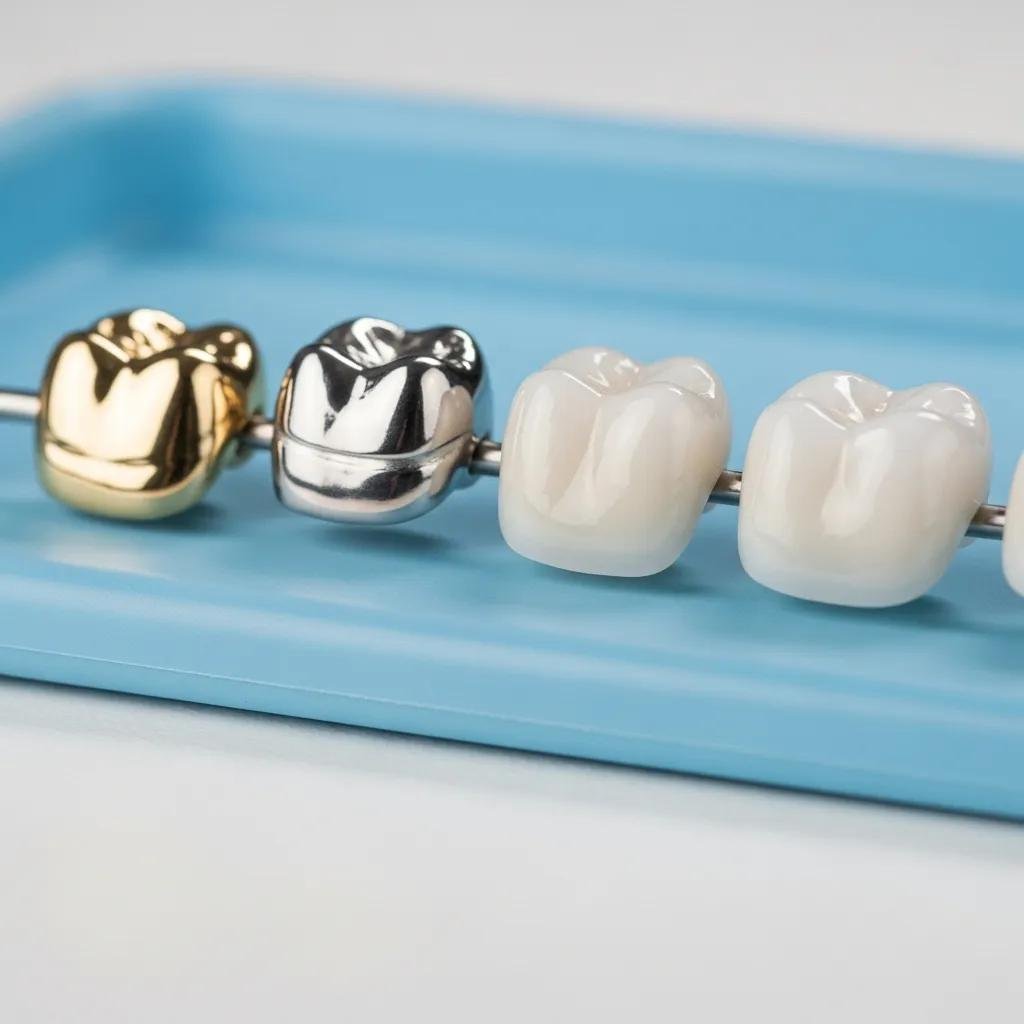
Custom dental crowns are available in several materials and designs, each suited to specific clinical indications and aesthetic requirements. The most common types include porcelain, ceramic, metal, and porcelain-fused-to-metal crowns, allowing clinicians and patients to balance appearance, strength, and biocompatibility.
Porcelain Crowns: These crowns are known for their natural appearance and are often used for front teeth due to their aesthetic appeal. They blend well with the surrounding teeth, making them a popular choice for visible areas.
Ceramic Crowns: Similar to porcelain, ceramic crowns offer excellent aesthetics and are durable. They are suitable for patients with metal allergies and are often used for both front and back teeth.
Metal Crowns: Made from various metals, these crowns are highly durable and can withstand significant chewing forces. They are often used for back teeth where strength is a priority, although they are less aesthetic than porcelain or ceramic options.
Porcelain-Fused-to-Metal Crowns: These crowns combine the strength of metal with the aesthetic appeal of porcelain. They are versatile and can be used in various locations in the mouth.
Newsham Dental provides compassionate, patient-centred care, including support for individuals who experience dental anxiety. A clear understanding of available crown types helps patients make informed clinical decisions.
What Are the Key Steps in the Dental Crown Procedure?
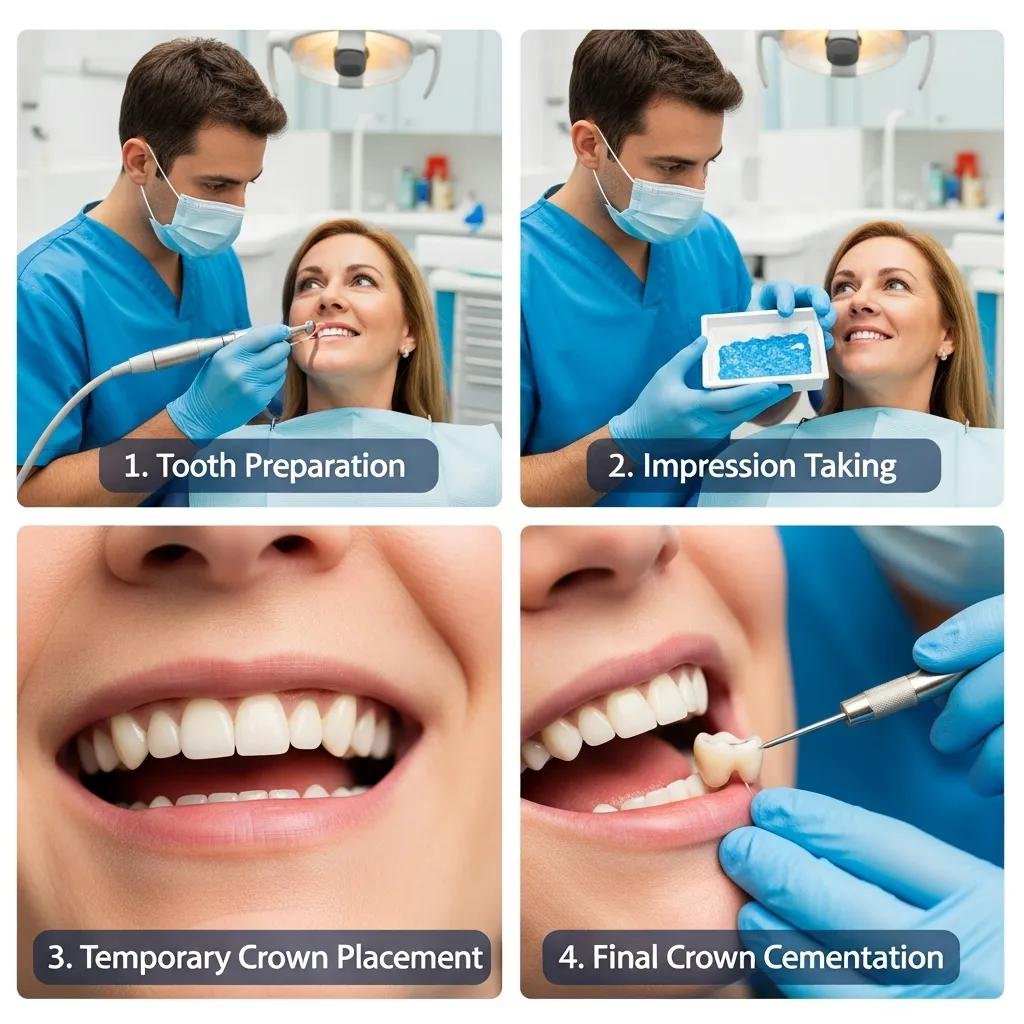
The dental crown procedure generally follows defined stages to achieve a predictable clinical outcome:
Consultation and Assessment: The dentist evaluates the damaged tooth and discusses the best crown options based on the patient’s needs and preferences.
Preparation and Impression: The tooth is prepared by removing any decay and shaping it to fit the crown. An impression is then taken to create a custom crown that fits accurately.
Crown Placement and Follow-Up Care: Once the crown is ready, it is placed on the prepared tooth. The dentist ensures a proper fit and makes any necessary adjustments. Follow-up care may include monitoring the crown’s fit and function.
Familiarity with these stages can reduce patient anxiety and clarify what to expect during treatment.
What Are the Benefits and Longevity of Custom Dental Crowns?
Custom dental crowns provide restorative and aesthetic benefits. They preserve tooth structure, restore occlusal function, and improve the visible appearance of compromised teeth. The choice of material determines the balance between aesthetic outcome and mechanical strength.
Natural Aesthetics: Crowns, especially porcelain and ceramic options, provide a natural look that blends seamlessly with existing teeth.
Durability: Metal crowns are particularly strong and can last many years with proper care, making them ideal for back teeth.
Restoration of Function: Crowns restore the ability to chew and speak properly, improving overall oral function.
With appropriate oral hygiene and regular dental reviews, custom crowns commonly remain serviceable for approximately 5 to 15 years, subject to the material selected and individual wear factors.
How Much Do Custom Dental Crowns Cost and What Influences Pricing?
Crown costs vary according to material selection, procedural complexity, and practice location. Typical fees range from $800 to $3,000 per crown.
Factors that influence cost include material type, laboratory fabrication fees, and the extent of clinical work required. Insurance coverage also affects the patient’s out-of-pocket expense.
Material Type: Porcelain crowns tend to be more expensive than metal crowns due to their aesthetic qualities.
Laboratory Fees: Custom crowns require lab work, which can add to the overall cost.
Insurance Coverage: Many dental insurance plans cover a portion of the cost, depending on the reason for the crown.
At Newsham Dental, we coordinate appointments and work with a range of insurance plans to assist patients in managing costs. Understanding these factors enables more effective financial planning for dental care.
Frequently Asked Questions
1. How long does the dental crown procedure take?
The procedure generally requires two appointments. The first visit—consultation, tooth preparation and impressions—typically lasts one to two hours. The second visit, for crown placement, usually takes 30 to 60 minutes. Total time varies with case complexity and crown type; please consult your dentist for a personalised timeline.
2. Can I eat normally with a temporary crown?
You may eat with a temporary crown, but exercise caution. Temporary crowns protect the prepared tooth until the definitive restoration is fitted, yet they are less durable. Avoid hard, sticky or very chewy foods and choose softer options. Maintain diligent oral hygiene to keep the temporary crown secure.
3. What should I do if my crown feels loose or falls out?
If a crown feels loose or dislodges, contact your dentist promptly. A loose or missing crown exposes the prepared tooth to decay and sensitivity. Keep the crown if it has come out and avoid chewing on the affected side. In some cases the crown can be re-cemented; if damaged, a replacement may be necessary. Timely evaluation reduces the risk of further complications.
4. Are there any risks associated with getting a dental crown?
Dental crowns are generally safe, but potential risks include transient temperature sensitivity, allergic reactions to restorative materials, and the possibility of the crown loosening or failing. If the tooth beneath the crown becomes decayed, additional treatment may be required. Discuss any concerns with your dentist prior to treatment to mitigate risks.
5. How can I care for my dental crown to ensure its longevity?
Crown care mirrors standard oral hygiene: brush twice daily and floss once a day. Avoid biting hard objects and consider a night guard if you bruxate. Attend regular dental examinations to monitor crown integrity and address issues promptly. Proper care supports long-term function and appearance.
6. Can dental crowns be whitened like natural teeth?
No. Restorative materials used for crowns, such as porcelain and ceramic, do not respond to bleaching agents. If you intend to whiten your teeth, complete whitening before crown fabrication to achieve a uniform shade. If a crown discolours, your dentist may advise replacement to match the new tooth shade.
7. What is the difference between a dental crown and a dental veneer?
A crown encases the entire clinical crown of the tooth to restore shape, size and strength, and is indicated for extensively damaged or restored teeth. A veneer is a thin facing bonded to the tooth’s front surface for primarily cosmetic improvement. Crowns offer greater structural restoration; veneers focus on aesthetic enhancement. Your dentist can recommend the most appropriate option for your clinical needs.
Conclusion
Custom dental crowns offer a dependable method to restore damaged teeth, improving both function and aesthetics. With material options such as porcelain, ceramic and metal, patients can select the solution that best meets their clinical and cosmetic objectives. Knowledge of the procedure and cost factors supports informed decision-making. Schedule a consultation with Dr. Newsham to discuss the crown options suited to your smile.