
Choosing the Right Toothpaste for Your Child
Selecting the right toothpaste for your child is crucial for their dental health and overall well-being. With a variety of options available, parents often find themselves overwhelmed by choices. This article aims to guide you through the essential factors to consider when choosing children’s toothpaste, ensuring it meets safety and effectiveness standards. Understanding the benefits of fluoride, the importance of age-appropriate formulations, and the availability of natural alternatives can empower parents to make informed decisions. Additionally, we will explore how to manage dental anxiety during brushing and establish healthy oral hygiene routines. By the end of this article, you will have a comprehensive understanding of how to choose the best toothpaste for your child’s needs.
What Are the Benefits and Safety Considerations of Fluoride Toothpaste for Children?
Fluoride toothpaste is widely recommended for children due to its proven benefits in preventing cavities. Fluoride works by strengthening tooth enamel, making it more resistant to decay. This mineral aids in the remineralization process, which helps repair early signs of tooth decay. However, safety considerations are paramount, especially for young children who may swallow toothpaste. Parents should be aware of the recommended fluoride levels and ensure that their children use an appropriate amount of toothpaste.
Understanding the potential risks associated with fluoride overdose, such as fluorosis, is crucial for parents.
Fluoride’s Role in Caries Prevention & Fluorosis Risk in Children
Until now it is well established that fluoride is an important ingredient to combat dental caries, working both systemically and topically. As the action of fluoride is dose-related and it has a cumulative action, it’s over dosage can cause serious toxic effect. Fluorosis is one of the chronic toxic effects of fluoride that appears as a developmental disorder of dental enamel. Fluorosis develops due to multiple and continuous exposures to high concentration of fluoride in low dosage. Therefore, the development of fluorosis is not only dependent on the dose but also greatly reliant on length and timing of fluoride exposure.
The major safeguard for fluorosis using age-appropriate toothpaste, 2018
How Does Fluoride Help Prevent Cavities in Children’s Teeth?
Fluoride helps prevent cavities by enhancing the remineralization of tooth enamel, which is essential for maintaining strong teeth. When fluoride is present, it integrates into the enamel structure, making it more resistant to acid attacks from bacteria and sugars. This process significantly reduces the decay rates in children’s teeth, promoting better oral health from an early age. Regular use of “fluoride toothpaste” can lead to a noticeable decrease in cavities, making it a vital component of children’s oral care.
Is Fluoride Toothpaste Safe for Toddlers and Young Children?

Yes, fluoride toothpaste is safe for toddlers and young children when used correctly. The American Dental Association recommends that children under the age of three use a smear of fluoride toothpaste containing no less than 1000 ppm fluoride, while those aged three to six can use a pea-sized amount with a fluoride concentration of around 1000 to 1100 ppm. It is crucial for parents to supervise brushing to minimize the risk of swallowing toothpaste. Consulting with a pediatrician or dentist can provide additional guidance on the safe use of fluoride toothpaste for young children.
Studies highlight the importance of precise dosing for young children, as parents often inadvertently use too much toothpaste.
Fluoride Toothpaste Dosing for Infants & Toddlers: Risks & Alternatives
In this study, parents significantly overdosed the toothpaste for their children. To avoid fluoride intake from toothpaste, parents can choose fluoride-free alternatives for the oral care of their infants and toddlers. Daily use of toothpaste and toothbrush is crucial to prevent early childhood caries (ECC) [1,2,3]. Toothpastes contain many different ingredients including abrasives, surfactants, agents used for caries protection and remineralization, and antibacterial agents [3,4]. Fluoride is used around the globe as anti-caries agent in toothpastes in various forms such as sodium fluoride (NaF), stannous fluoride (SnF2), or sodium monofluorophosphate (Na2PO3F) [3].
Doses of fluoride toothpaste for children up to 24 months, 2024
How to Select Age-Appropriate Toothpaste for Your Child’s Dental Needs
Choosing age-appropriate toothpaste is essential for ensuring that it meets your child’s specific dental needs. Different age groups require different fluoride concentrations and formulations to support their developing teeth. Understanding these requirements can help parents select the most suitable toothpaste for their children.
What Toothpaste Fluoride Concentration Is Recommended by Age Group?
The recommended fluoride concentration varies by age group to ensure safety and effectiveness. Here’s a guideline for fluoride toothpaste usage:
| Age Group | Recommended Fluoride Concentration | Notes |
|---|---|---|
| Under 2 years | About 1000 ppm (0.1%) | Use a smear of toothpaste |
| 2-6 years | About 1000 to 1100 ppm (0.1%) | Use a pea-sized amount |
| Over 6 years | About 1000 to 1500 ppm (0.1%-0.15%) | Regular fluoride toothpaste |
This table illustrates the importance of selecting the right fluoride concentration based on your child’s age, ensuring optimal dental health.
How Much Toothpaste Should a Child Use at Different Ages?
The amount of toothpaste used should be adjusted according to the child’s age to prevent excessive fluoride ingestion. Here are the guidelines:
- Under 2 years: A smear (rice grain-sized) amount of toothpaste is sufficient to clean their teeth effectively.
- Ages 2-6: A pea-sized amount is recommended to ensure proper cleaning without the risk of swallowing too much fluoride.
- Over 6 years: Children can use a pea-sized or slightly larger amount of toothpaste, similar to adults, as they are more capable of spitting it out.
These recommendations help establish safe brushing habits while ensuring effective oral hygiene.
Further research emphasizes that careful control of fluoride ingestion, especially for children under six, is key to balancing efficacy and risk.
Fluoride Toothpaste Use for Children Under 6: Balancing Risk & Efficacy
It is concluded that for young children fluoride ingestion needs to be carefully controlled during the first six years of life and the best balance between risk and efficacy might be achieved by using small amounts of high fluoride toothpaste under close supervision from parents.
How much toothpaste should a child under the age of 6 years use?, JA Cury, 2009
What Are Natural and Organic Toothpaste Options for Children?
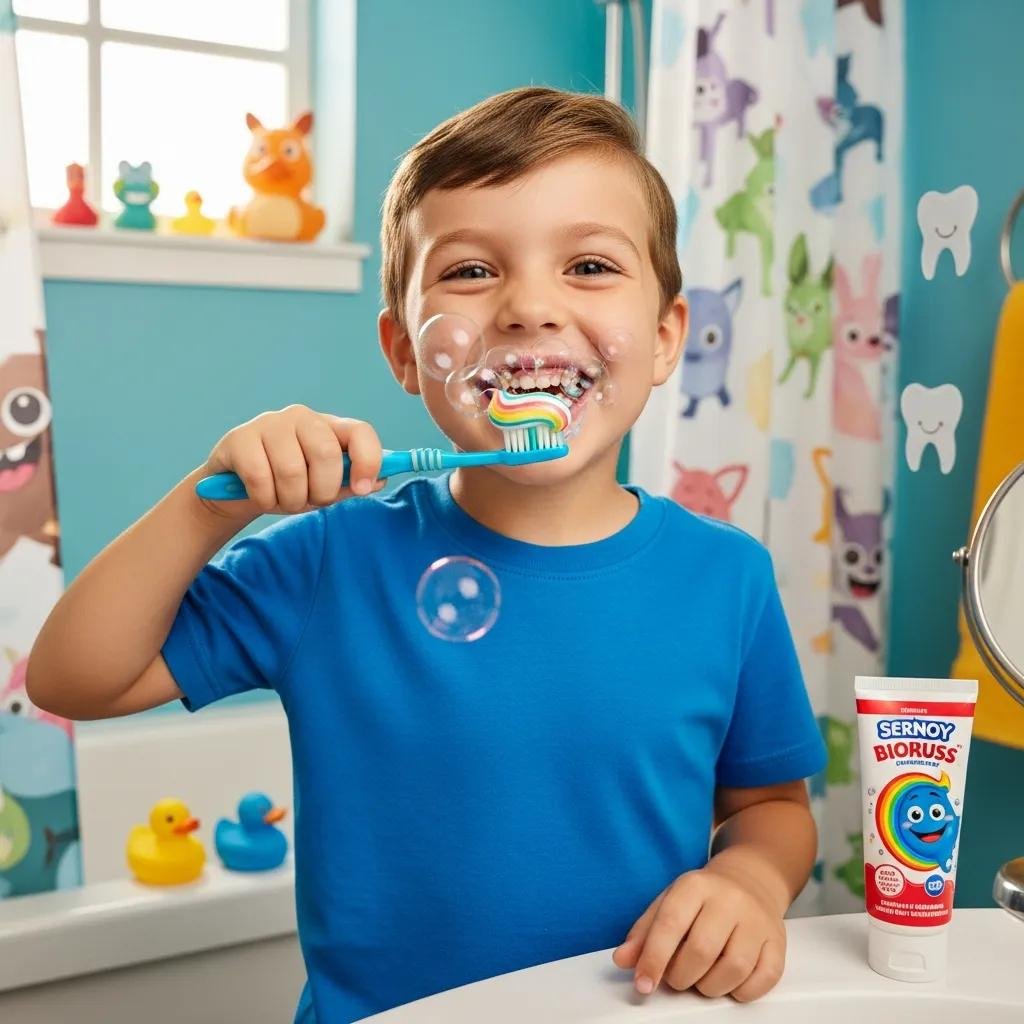
Natural and organic toothpaste options are becoming increasingly popular among parents seeking alternatives to traditional fluoride toothpaste. These products often contain natural ingredients that are perceived as safer and gentler for children’s delicate mouths. However, it is essential to evaluate their effectiveness compared to fluoride options.
Which Ingredients Should Parents Look for in Natural Kids Toothpaste?
When selecting natural toothpaste for children, parents should look for beneficial ingredients that promote oral health. Key ingredients to consider include:
- Xylitol: A natural sweetener that helps reduce cavity-causing bacteria.
- Sorbitol: A sugar alcohol that provides sweetness without contributing to tooth decay.
- Natural flavors: Such as mint or fruit extracts, to make brushing more enjoyable for children.
Avoiding artificial additives and harsh chemicals is also crucial for ensuring the safety of natural toothpaste options.
Are Natural Toothpastes Effective and Safe Compared to Fluoride Options?
Natural toothpastes can be effective for maintaining oral hygiene, but their efficacy in cavity prevention does not match that of fluoride toothpaste. While many natural options are safe for children, they may lack the cavity-fighting properties of fluoride. Parents should consult with dental professionals to determine the best approach for their child’s oral care, especially if they are prone to cavities.
How Can Parents Manage Dental Anxiety in Children During Toothbrushing?
Dental anxiety is a common issue among children, making tooth brushing a challenging task for parents. Understanding how to manage this anxiety can help create a positive brushing experience.
What Gentle Oral Care Techniques Help Anxious Children Accept Toothpaste?
To help anxious children accept toothpaste, parents can employ several gentle techniques:
- Role-playing: Use toys or dolls to demonstrate brushing, making it a fun activity.
- Storybooks: Read books about brushing to familiarize children with the process.
- Positive reinforcement: Praise and reward children for their efforts in brushing.
These techniques can help alleviate fear and encourage a more cooperative attitude towards oral care.
How Does Pediatric Dentistry Support Families with Dental Anxiety?
Pediatric dentistry plays a vital role in supporting families dealing with dental anxiety. Pediatric dentists are trained to communicate effectively with children, using child-friendly language and techniques to ease fears. They often employ gradual exposure to dental tools and positive reinforcement strategies to create a comfortable environment for young patients. This supportive approach can significantly reduce anxiety and promote a positive attitude towards dental visits.
What Tips Help Establish Healthy Oral Hygiene Routines for Children?
Establishing a healthy oral hygiene routine is essential for children to develop lifelong dental habits. Parents can implement several strategies to encourage consistent brushing.
How to Encourage Consistent Toothbrushing Habits in Kids?
To foster consistent tooth brushing habits, parents can:
- Make it fun: Use colorful toothbrushes and toothpaste with appealing flavors.
- Involve the family: Brush together as a family to create a sense of teamwork.
- Use rewards: Implement a reward system for consistent brushing to motivate children.
These strategies can help children view brushing as a positive and enjoyable part of their daily routine.
What Role Does Choosing the Right Toothpaste Play in Oral Hygiene Success?
Choosing the right toothpaste is a critical factor in the success of a child’s oral hygiene routine. The right toothpaste not only ensures effective cleaning but also encourages children to engage in brushing regularly. Fluoride toothpaste can significantly reduce the risk of cavities, while natural options can provide a gentler alternative. Ultimately, the choice of toothpaste should align with the child’s age, preferences, and dental needs.
How Does Newsham Dental Support Families in Choosing the Right Toothpaste?
Newsham Dental is dedicated to supporting families in their journey to optimal oral health. The practice offers comprehensive guidance on selecting the right toothpaste for children, ensuring that parents are well-informed about their options.
What Pediatric Dental Services Does Newsham Dental Offer for Children’s Oral Care?
Newsham Dental provides a range of pediatric dental services, including but not limited to:
- Routine checkups: Regular examinations to monitor dental health.
- Fluoride treatments: Professional fluoride applications to strengthen teeth.
- Professional cleanings: Thorough cleanings to remove plaque and tartar buildup.
These preventative services are designed to promote healthy dental habits and prevent cavities in children.
How Can Parents Schedule Consultations to Discuss Toothpaste and Oral Hygiene?
Parents can easily schedule consultations with Newsham Dental to discuss their child’s oral hygiene needs. Contacting the office directly or visiting the practice’s website can provide information on appointment availability and services offered. Engaging with dental professionals ensures that families receive personalized advice tailored to their child’s specific dental requirements.