
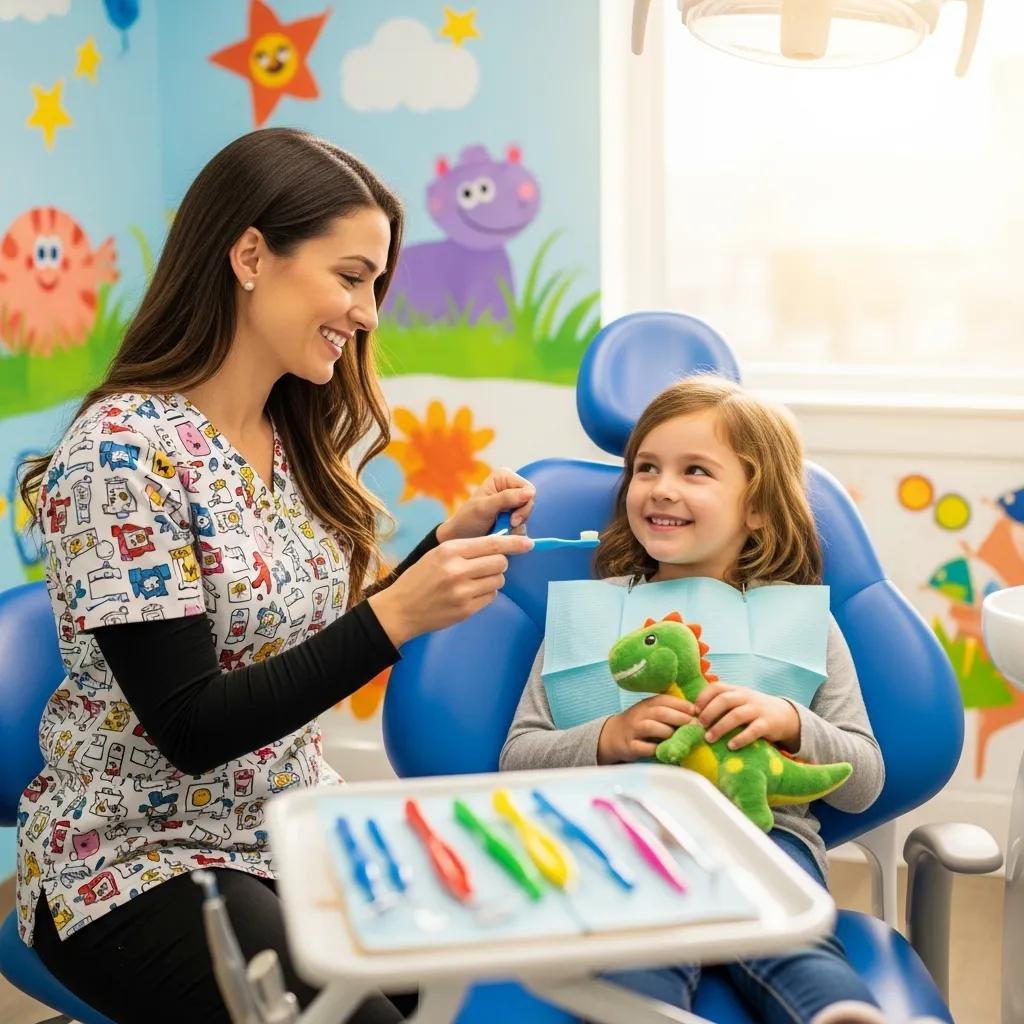
Get Ready for School: Dental Checkup
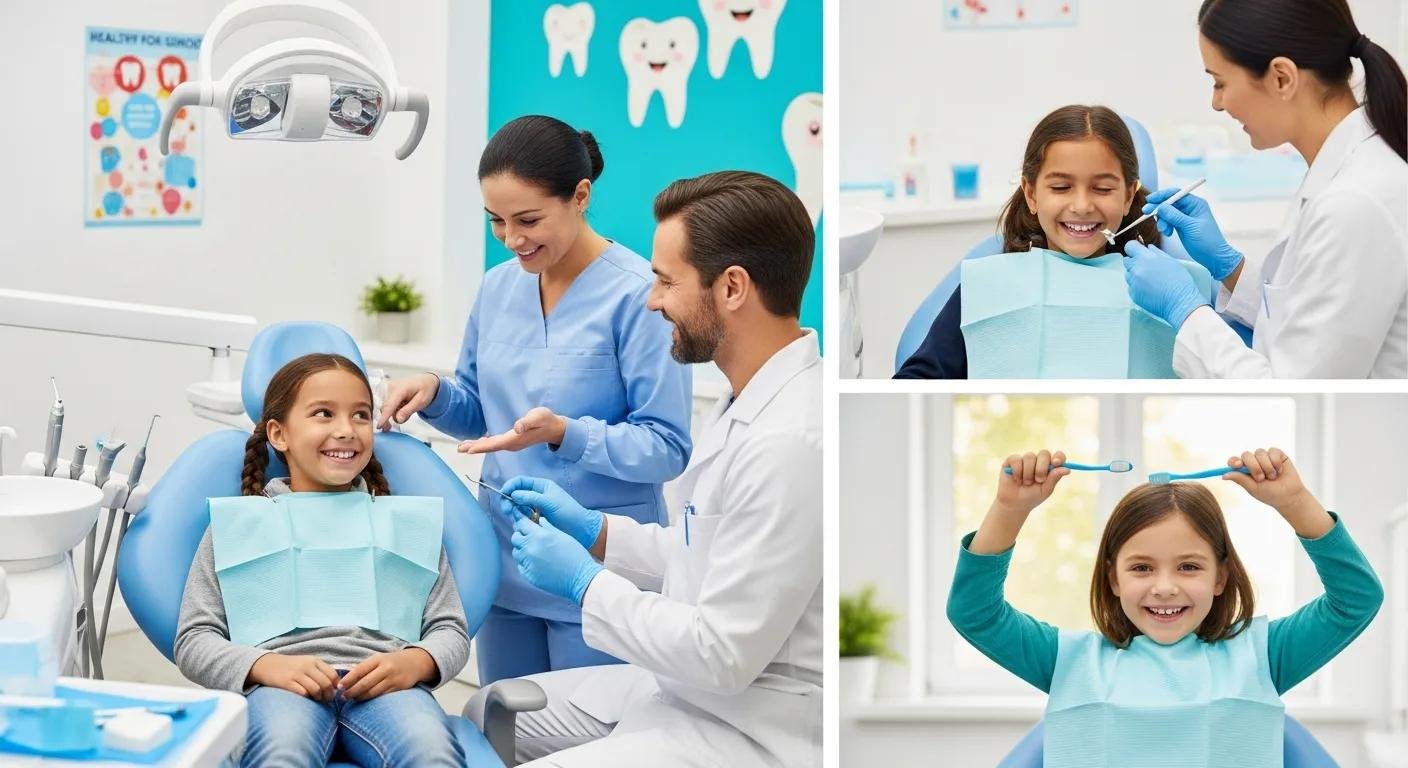
As the new school year approaches, preparing your child extends beyond supplies and clothing to include a pediatric dental checkup. A pediatric dental exam is essential for maintaining oral health and ensuring children are ready for the academic year. This article outlines the primary benefits of pediatric dental exams, how parents can prepare children for appointments, practical back-to-school oral health guidance, the dental screening requirements in Rialto and the Inland Empire, and what to expect during a typical visit. A clear understanding of these topics helps parents promote positive attitudes toward dental care and support their child’s success.
What Are the Key Benefits of a Pediatric Dental Exam Before School?
Pediatric dental examinations play a central role in preventive care, particularly before the school year begins. These visits establish consistent oral hygiene routines, identify early signs of dental disease, and reduce the likelihood of problems that could affect a child’s comfort or attendance at school.
Examinations also provide a structured opportunity for dental professionals to instruct parents and children on effective oral hygiene techniques. This proactive education supports long-term dental health and helps children adopt lasting habits.
Benefit
Description
Impact Level
Establishing Good Oral Health
Regular checkups help prevent cavities and other dental issues.
High
Preventing Dental Problems
Early detection of issues can save time and money on future treatments.
High
Fostering Positive Attitudes
Positive experiences at the dentist can reduce anxiety about future visits.
Medium
Newsham Dental, a family dental practice located in Rialto, underscores the value of these checkups, particularly for patients who experience anxiety. Their compassionate approach is designed to help children feel comfortable and secure during appointments.
How Can Parents Prepare Their Children for a School Dental Checkup?
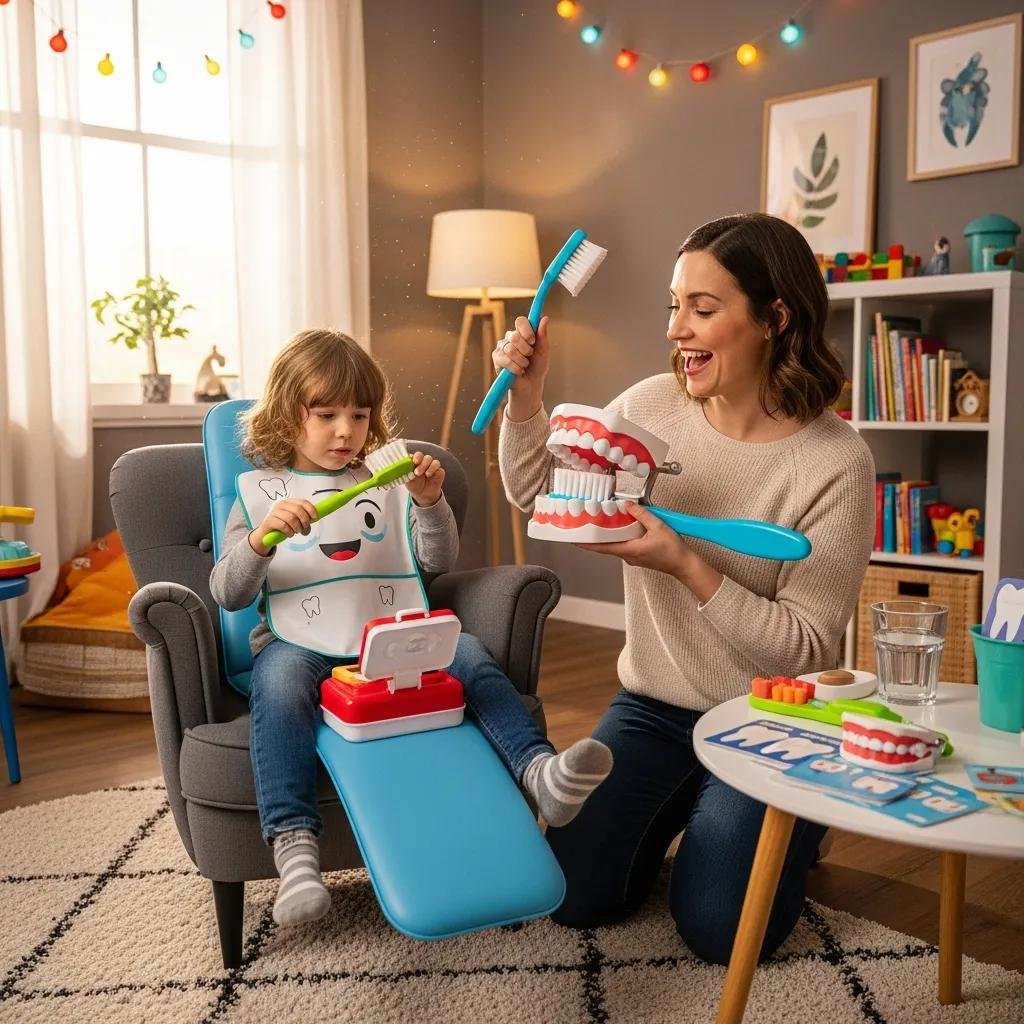
Preparation can reduce anxiety and improve the appointment experience. The following strategies help children understand what to expect and remain calm during the visit.
Use Positive Language: Frame the visit as a normal, beneficial health check rather than a frightening event.
Role-Play Dental Visits: Practice the sequence of the appointment at home so the child recognizes the steps involved.
Bring Comfort Items: Permit a familiar toy or blanket to provide reassurance in the clinical setting.
Use Positive Language: Frame the visit as a normal, beneficial health check rather than a frightening event.
Role-Play Dental Visits: Practice the sequence of the appointment at home so the child recognizes the steps involved.
Bring Comfort Items: Permit a familiar toy or blanket to provide reassurance in the clinical setting.
When parents use these techniques, children typically approach dental visits with greater confidence. Newsham Dental’s emphasis on compassionate care complements these preparation methods and supports a positive patient experience.
What Are Effective Back to School Oral Health Tips?

Maintaining oral health during the school year supports overall well-being. The following measures are practical and effective for children.
Establish a Routine for Brushing: Ensure children brush twice daily for a minimum of two minutes each session.
Limit Sugary Snacks: Reducing frequent sugar exposure lowers the risk of caries and supports general health.
Stay Hydrated: Regular water intake helps remove food debris and limits bacterial growth.
Establish a Routine for Brushing: Ensure children brush twice daily for a minimum of two minutes each session.
Limit Sugary Snacks: Reducing frequent sugar exposure lowers the risk of caries and supports general health.
Stay Hydrated: Regular water intake helps remove food debris and limits bacterial growth.
Adopting these practices helps preserve healthy teeth and gums and supports a child’s ability to participate fully in school activities.
Understanding Dental Screening Requirements in Rialto Schools
Schools in Rialto and the Inland Empire commonly require dental screenings as part of the enrollment or health compliance process. These screenings verify that children meet basic oral health standards prior to attendance.
Key requirements include:
Preventive Treatments: Some schools request documentation of preventive measures, such as dental sealants or fluoride applications.
Compliance with Local Regulations: Parents should consult their specific school district for detailed requirements and deadlines to ensure compliance.
Preventive Treatments: Some schools request documentation of preventive measures, such as dental sealants or fluoride applications.
Compliance with Local Regulations: Parents should consult their specific school district for detailed requirements and deadlines to ensure compliance.
Awareness of these requirements enables parents to complete enrollment procedures efficiently and ensures children satisfy necessary health criteria.
How to Schedule and What to Expect During Your Child’s Dental Appointment?
Scheduling an appointment is straightforward. Parents may contact Newsham Dental to arrange a convenient time for a pediatric checkup. The appointment typically includes a structured clinical assessment and preventive care.
Dental Cleaning: A professional prophylaxis to remove plaque and calculus.
Examination: The clinician assesses teeth, gingival tissues, occlusion, and any signs of pathology.
Education: Parents and children receive instruction on home care and preventive measures.
Dental Cleaning: A professional prophylaxis to remove plaque and calculus.
Examination: The clinician assesses teeth, gingival tissues, occlusion, and any signs of pathology.
Education: Parents and children receive instruction on home care and preventive measures.
Familiarity with the appointment components helps parents prepare their child and reduces uncertainty. Newsham Dental’s commitment to compassionate care ensures attentive support throughout the visit.
Frequently Asked Questions
What age should my child start visiting the dentist?
It is recommended that children have their first dental visit by their first birthday or within six months after the eruption of the first tooth. Early visits establish a dental home and allow the dentist to monitor tooth and gum development. Routine care from a young age helps prevent problems and makes dental appointments more familiar and less stressful over time.
How often should my child have dental checkups?
Most children benefit from dental checkups every six months. Some patients may require more frequent visits depending on individual risk factors and treatment needs. Regular appointments allow the dentist to provide preventive care, monitor oral development, and address concerns promptly.
What should I do if my child is afraid of the dentist?
If a child expresses fear, respond with calm reassurance and gradual exposure. Use positive, age-appropriate explanations and consider role-play to familiarise the child with the process. Selecting a pediatric dentist experienced in managing anxious children can also improve cooperation and comfort during visits.
Are dental X-rays safe for children?
Dental X-rays are considered safe when performed by trained professionals. Contemporary radiographic equipment minimizes radiation exposure, and clinicians use protective measures such as lead aprons and thyroid collars. Discuss any concerns with the dentist, who will explain the diagnostic benefits and necessity of imaging.
What should I do if my child has a dental emergency?
Act promptly in the event of a dental emergency. For a knocked-out tooth, attempt to reinsert it if possible or keep it moist in milk or saline until dental care is available. For severe pain, rinse the mouth with warm salt water and apply a cold compress to reduce swelling. Contact the child’s dentist immediately for guidance and to arrange urgent care.
How can I encourage my child to maintain good oral hygiene at home?
Promote consistent oral hygiene through routine, positive reinforcement, and practical tools. Establish brushing twice daily and daily flossing. Use child-friendly toothbrushes and toothpaste to increase engagement. Offer small rewards for adherence and model good dental habits to reinforce the behaviour.
Conclusion
Scheduling a pediatric dental checkup before the school year supports preventive care, reinforces healthy habits, and reduces the risk of future dental issues. These visits help children develop a positive relationship with dental care and provide families with the guidance needed to maintain oral health. Prepare your child for the appointment and contact Dr. Newsham to arrange a checkup so they start the school year with a healthy smile.