

Restore Your Smile: Dental Implants Guide
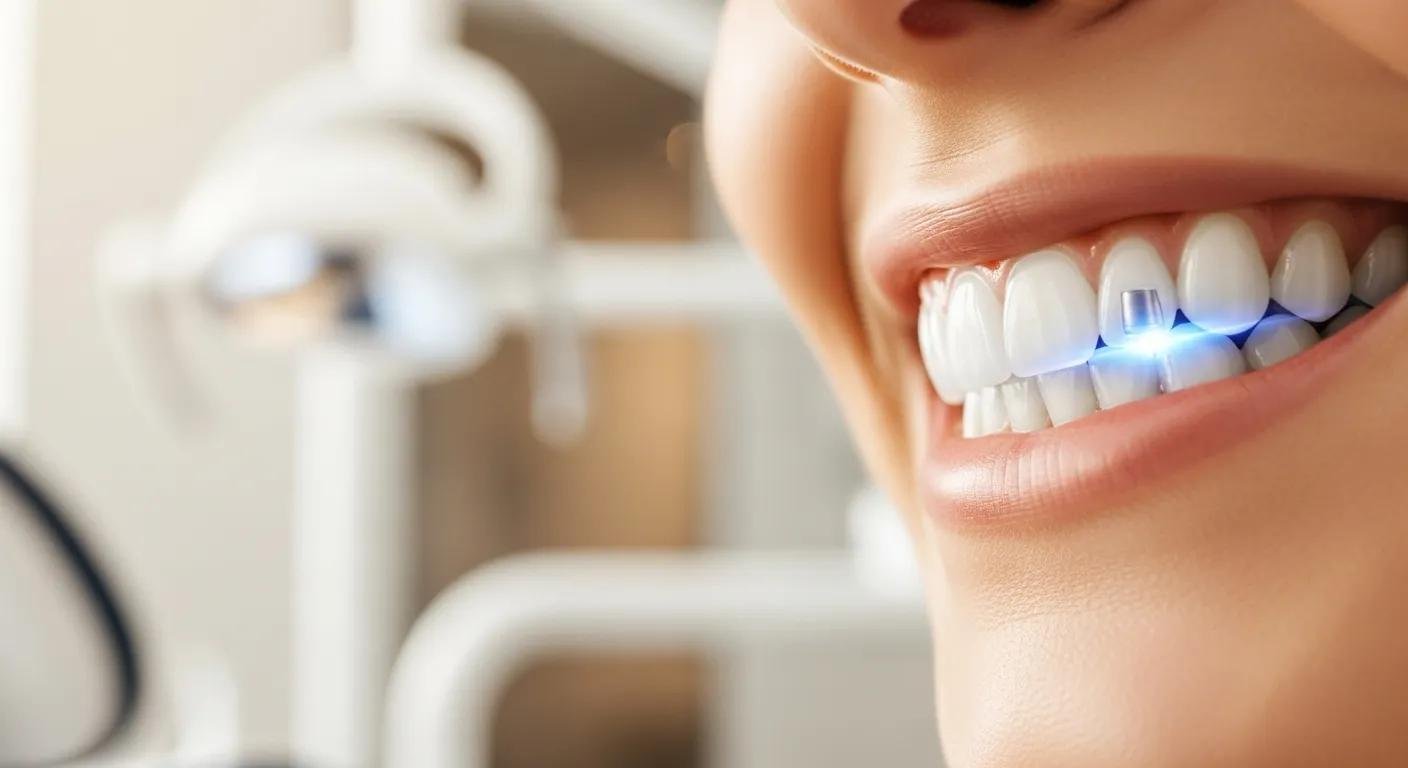
Replacing a single missing tooth affects oral health and self‑confidence. Dental implants are a preferred solution because they provide durable support and a natural appearance. This guide explains the single‑tooth implant procedure, benefits compared with dentures, the recovery timeline, and expected costs. Tooth loss can impair eating, speaking and social interaction; implants restore function and aesthetics. The following sections outline steps, advantages, recovery and financial factors to help you decide.
What Is the Single Tooth Implant Procedure?
The single tooth implant procedure comprises several clinical steps to replace a missing tooth with a stable, functional restoration. It begins with a detailed consultation and assessment to confirm the patient’s suitability. The implant is normally manufactured from titanium or a titanium alloy and is surgically placed into the jawbone to serve as a root analogue. Over time the surrounding bone undergoes osseointegration, which secures the implant and provides long‑term stability.
How Is a Single Tooth Dental Implant Placed?
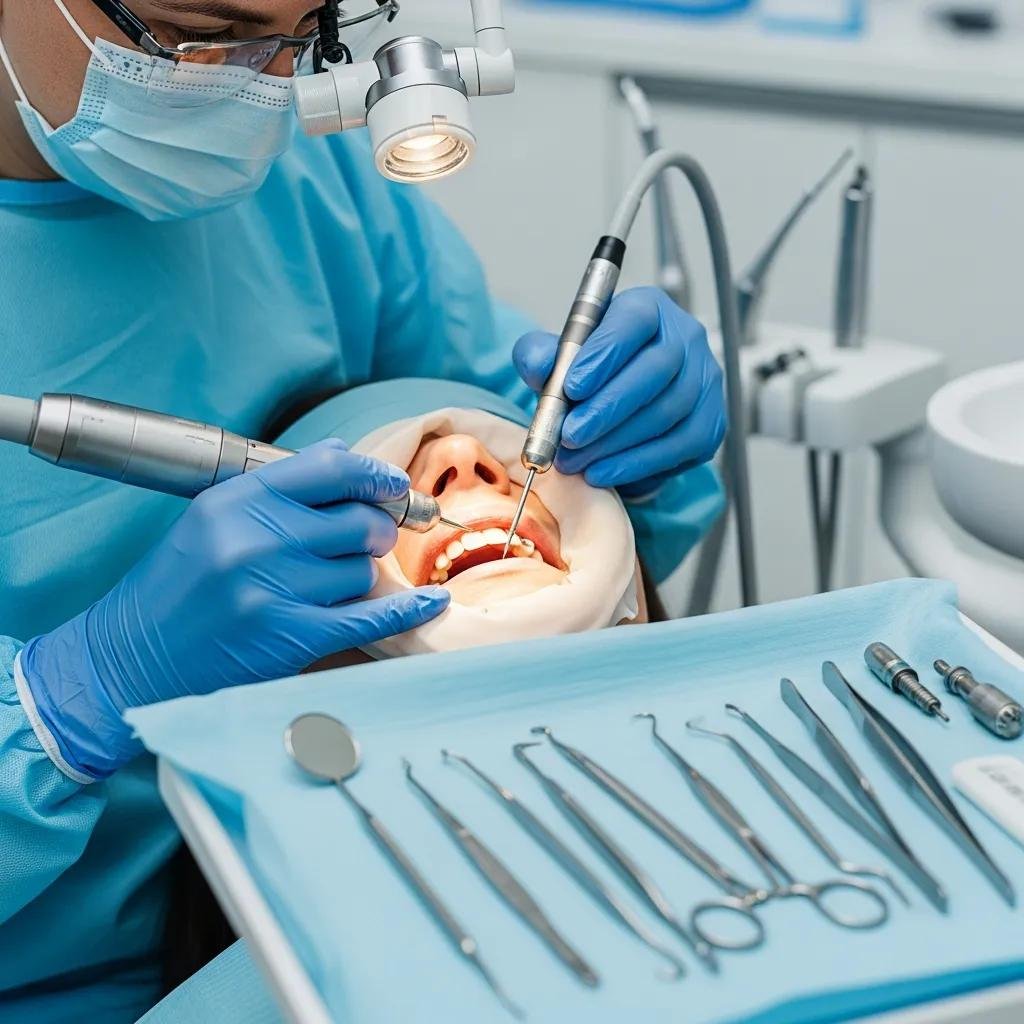
Placement typically follows a defined clinical protocol. The dentist performs a comprehensive examination and obtains imaging to evaluate bone density and anatomy. The titanium post is then surgically inserted under local anaesthesia to ensure patient comfort. A healing interval of several months allows osseointegration to occur, permitting the implant to bond securely with the jawbone.
What Are the Components of a Dental Implant?
A dental implant comprises three principal components: the titanium post, the abutment and the crown. The titanium post functions as the implant root and provides a stable foundation. The abutment attaches to the post and supports the crown. The crown is the visible restoration, shaped and shaded to resemble a natural tooth. Together these components restore masticatory function and dental aesthetics.
What Are the Benefits of Dental Implants Over Dentures?
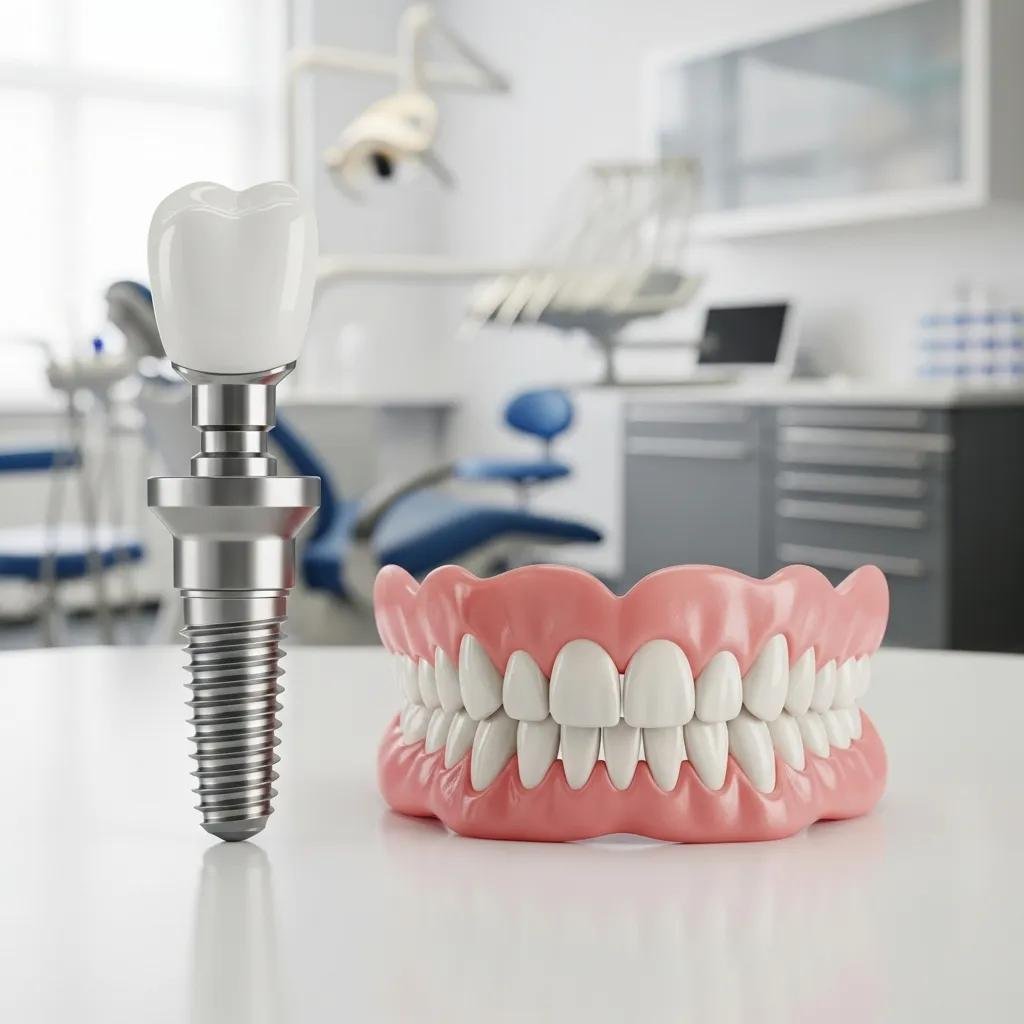
Dental implants provide multiple advantages versus traditional dentures. A primary benefit is preservation of the jawbone: implants stimulate the alveolar bone and reduce the resorption that follows tooth loss. Implants also deliver superior stability and comfort, improving chewing efficiency and speech clarity compared with removable prostheses.
Evidence emphasises the importance of ridge preservation to maintain bone volume after extraction, which is critical for predictable implant placement.
Ridge Preservation for Dental Implant Site Preparation
Healing of the extraction socket after tooth removal involves retention of the blood clot followed by a sequence of events that lead to changes in the alveolar process in a three dimensional fashion. This normal healing event results in a minimal loss of vertical height (around 1 mm), but a substantial loss of width in the buccal-lingual plane (4-6 mm). During the first three months following extraction that loss has been shown to be significant and may result in both a hard tissue and soft tissue deformity affecting the ability to restore the site with acceptable esthetics. Procedures that reduce the resorptive process have been shown to be predictable and potentially capable of eliminating secondary surgery for site preparation when implant therapy is planned. The key element is prior planning by the dental therapist to act at the time of extraction to prevent the collapse of the ridge due to the loss of the alveolus.
Ridge preservation for implant therapy: a review of the literature, 2014
New Sham Dental adopts a compassionate, patient‑centred approach to implant care, ensuring patients remain comfortable and well informed at each stage of treatment.
How Do Dental Implants Improve Function and Appearance?
Dental implants restore natural chewing function, enabling a broader diet without discomfort. They also support facial contours by preventing bone loss that can cause a sunken appearance. Restoring dental form and function improves confidence and contributes positively to overall oral health.
Why Are Implants Preferred for Long-Term Tooth Replacement?
Implants are favoured for long‑term replacement because of their durability and predictable longevity. With appropriate oral hygiene and regular dental review, implants can function for more than 15 years, and many patients retain them indefinitely. Implants also help maintain the position of adjacent teeth and reduce the risk of tooth movement that can occur with removable prostheses.
What Is the Dental Implant Recovery Timeline and Pain Management?
Recovery varies between patients but follows common phases. After implant placement, an osseointegration period of approximately 8–12 weeks is usually required. Some postoperative discomfort is common and can be managed effectively with prescribed analgesics and local measures recommended by the clinician.
How Long Does Healing Take After Implant Placement?
Typical healing time after implant placement ranges from eight to twelve weeks, depending on factors such as bone quality and the patient’s general health. Adherence to the dentist’s postoperative instructions is essential to support optimal healing and implant integration.
What Are Effective Strategies for Managing Dental Implant Pain?
Effective postoperative pain management includes following the dentist’s instructions, using prescribed or recommended analgesics, and applying cold packs to reduce swelling. A soft diet during the initial healing phase helps minimise mechanical irritation and discomfort.
Clinical reviews indicate that short‑term use of analgesic medication can adequately control postoperative pain following implant surgery, with the clinician determining the appropriate regimen for each patient.
Effective Post-Operative Pain Management for Dental Implants
Within the limitations of this review, POP following implant surgery may be effectively treated with the short-term use of analgesic medications. However, given the heterogeneity in the available RCTs, there is insufficient evidence to recommend an analgesic regimen following dental implant surgery. Short-term use of analgesic medications may be sufficient for post-operative pain management in dental implant surgery. Ultimately, the clinician’s analgesic prescript
Post-operative pain management in dental implant surgery: a systematic review and meta-analysis of randomized clinical trials, I Khouly, 2021
How Much Does a Single Tooth Dental Implant Cost Near Me?
The cost of a single tooth implant varies with procedural complexity and materials. On average, patients should expect a range of approximately $3,000 to $4,500 for a single implant restoration, which typically includes the implant, abutment and crown.
What Factors Influence the Cost of a Single Tooth Implant?
Cost determinants include the implant type, surgical complexity and any adjunctive treatments such as bone grafting. A consultation with your dental provider will produce a tailored estimate based on your clinical requirements.
What Financing Options Are Available for Dental Implants?
Various financing options may be available to assist with implant treatment costs. Many dental practices, including New Sham Dental, offer flexible payment plans and accept insurance that may cover part of the procedure. Patients are encouraged to discuss financing during the consultation to identify a suitable arrangement.
Frequently Asked Questions
What is the success rate of dental implants?
Dental implants demonstrate a high success rate, often exceeding 95% in healthy patients. Success depends on factors such as overall health, oral hygiene and bone quality at the implant site. Careful treatment planning and execution by a qualified dental professional, together with regular follow‑up and maintenance, support long‑term outcomes.
Can anyone get dental implants?
Implants are suitable for many patients, but not all individuals are immediate candidates. Age, systemic health and jawbone condition influence eligibility. Patients with chronic medical conditions, smokers or those with inadequate bone volume may require preparatory treatments, for example bone grafting, before implant placement. A thorough consultation with a dental professional will determine suitability and discuss alternatives when necessary.
How do I care for my dental implants?
Implant care closely mirrors care for natural teeth. Regular brushing and interdental cleaning are essential to prevent peri‑implant disease. Patients should attend routine dental examinations for professional cleaning and assessment. Use of non‑abrasive toothpaste, avoidance of very hard foods and cessation of tobacco use further support implant longevity.
What are the risks associated with dental implants?
Although implants are generally safe, potential risks include infection at the implant site, nerve injury and sinus complications if the implant encroaches on the sinus cavity. Implant failure can also occur if osseointegration is insufficient or if the implant is subjected to excessive loading. Discussing these risks with a dental professional enables informed consent and adherence to postoperative care to reduce complications.
How do dental implants compare to bridges?
Implants and bridges are valid tooth‑replacement options with distinct characteristics. Implants are independent restorations that do not require modification of adjacent teeth, thereby preserving neighbouring tooth structure. Bridges typically involve preparation of adjacent teeth and may require replacement after several years. Implants generally offer superior long‑term durability and bone preservation; the appropriate choice depends on individual clinical and personal factors.
What should I expect during the dental implant consultation?
During the consultation, the dentist will perform a comprehensive assessment, review your medical history and examine the oral cavity. Diagnostic imaging, such as X‑rays or 3D scans, may be obtained to assess bone anatomy. The dentist will explain the proposed procedure, potential risks and expected outcomes, and provide an opportunity to address questions and concerns about treatment.
Conclusion
Dental implants offer a durable, aesthetic solution for single‑tooth replacement that restores function and supports long‑term oral health. By preserving jawbone integrity and providing superior stability compared with traditional dentures, implants contribute to lasting well‑being. If you are considering dental implants, consult a qualified professional to review your options and determine the most appropriate plan. Contact us to arrange a consultation and begin the process of restoring your smile.