

Introduction to Common Dental Issues Across Family Members
Preventive Dental Care: Protecting Your Family’s Smile
Preventive dental care forms the foundation of lifelong oral health. Rather than waiting for pain or visible problems to prompt a visit, a preventive approach focuses on stopping issues such as cavities and gum disease before they start. For families, this means fewer emergency visits, less invasive treatment, and healthier smiles for both children and adults. David A Newsham DDS emphasises preventive strategies that are effective, comfortable, and appropriate for every stage of life, including patients who feel anxious about dental visits.
Why Preventive Dental Care Matters
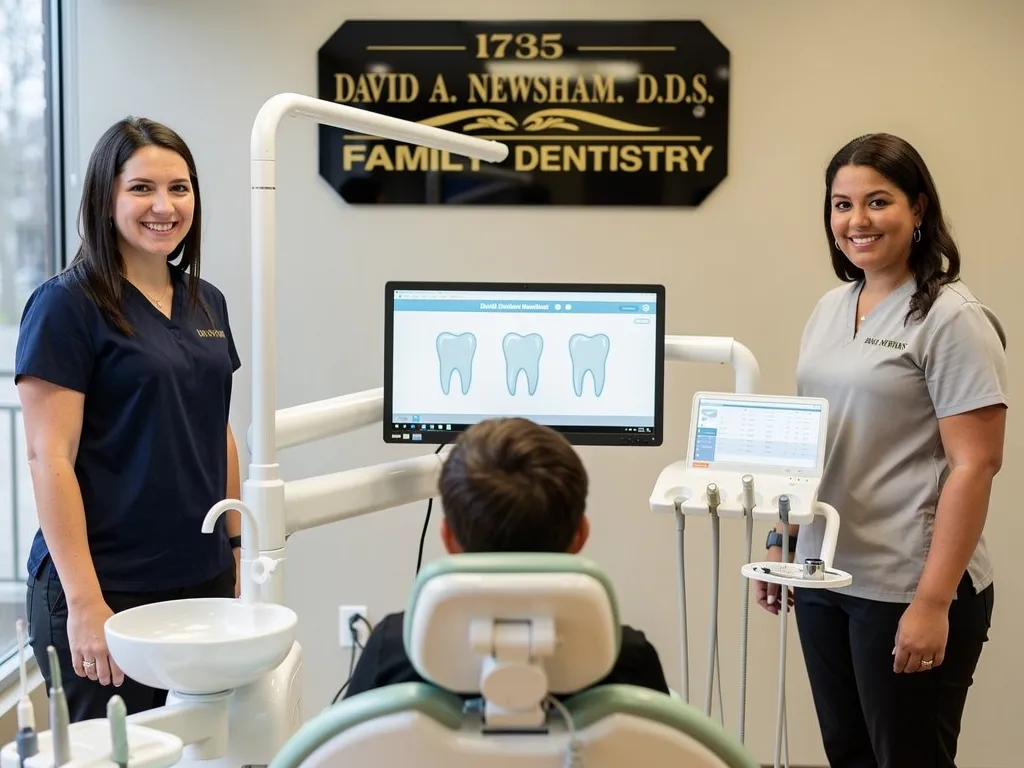
Untreated dental issues rarely stay small. A minor cavity left unaddressed can progress to infection, pain, and the need for more complex treatment. Preventive care interrupts this progression through routine monitoring and early intervention, which is generally more comfortable and more affordable than restorative treatment. For children in particular, establishing preventive habits early supports healthy dental development and helps reduce anxiety around future dental visits by making check-ups a normal, low-stress part of life.
Key Preventive Practices
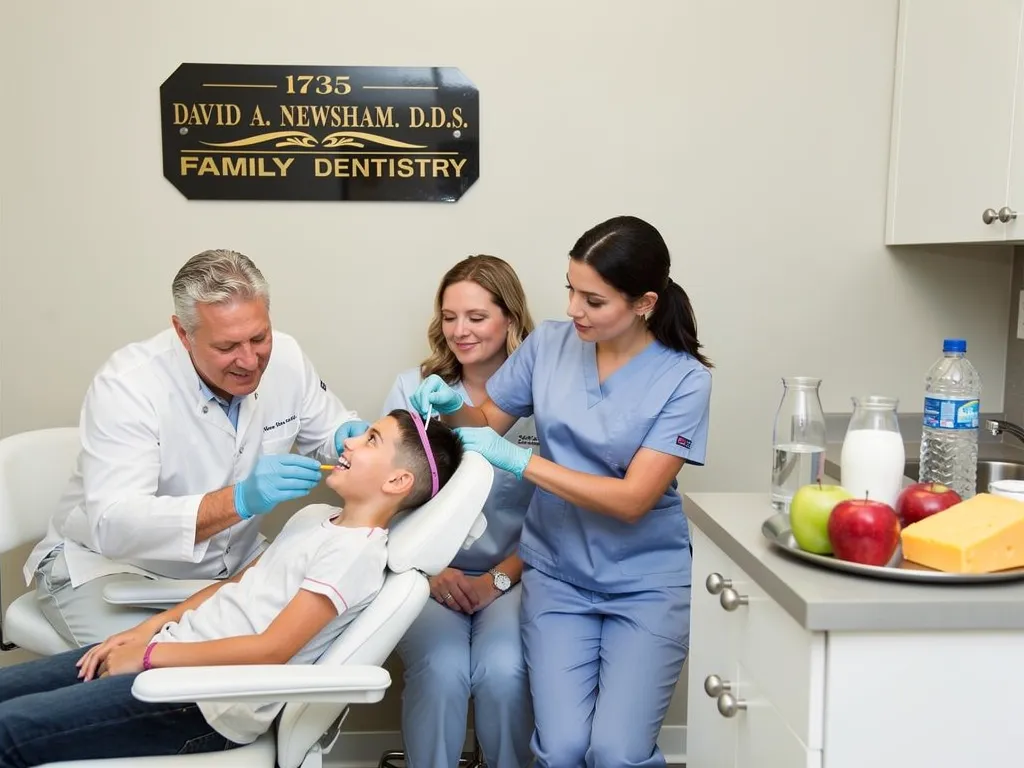
Three practices form the core of an effective preventive dental routine: regular professional check-ups, fluoride treatments, and a tooth-friendly diet. Each addresses a different aspect of oral health, and together they provide comprehensive protection against the most common dental problems.
Research consistently shows that early, regular dental examinations reduce dental caries in children by enabling timely detection and intervention.
Early Preventive Dental Visits Reduce Caries in Children The results showed that a lower dmft value (adjusted OR: 0.69, 95% CI: 0.48–0.84), a higher rate of caries-free (aOR: 6.5, 95% CI: 3.93–10.58), and a lower rate of untreated dental caries (aOR: 0.40, 95% CI: 0.21–0.76) were associated with early PDV utilization. Effects of early preventive dental visits and its associations with dental caries experience: a cross-sectional study, X Qu, 2022
Clinical evidence identifies topical fluoride applications as a central component of comprehensive caries prevention because of their role in enamel remineralisation and reduced cavity risk.
Comprehensive Prevention of Early Childhood Caries Primary prevention includes oral health education, tooth-brushing with fluoridated toothpaste, water fluoridation, fluoridated milk, and dietary control. For fluoride strategies, water fluoridation is accepted as a high cost-effectiveness measure and most equitable method in dental health. Oral health promotion and prevention of early childhood caries, 2017
Nutrition studies indicate that a balanced, low-sugar diet is a fundamental preventive measure against dental decay and gum disease in children.
Nutrition’s Role in Preventing Dental Caries in Children The main purpose of this review is to present an overview in prevention of dental caries in children and adolescents and the relationship with nutrition. The role of nutrition on avoiding dental caries (DC) in children is examined in this systematic review, which highlights the disease’s complex character. It emphasized how crucial it is to cut back on sugar consumption and how complex relationships exist between oral health (OHT), nutrition, and other variables when developing preventative measures. A balanced, low-sugar diet is crucial, as this systematic study emphasized the link between DH and children’s frequency of DC. Role of nutrition in prevention of dental caries in children and adolescents: a systematic review, 2026
The table summarises key preventive practices that support and protect family oral health.
Frequently Asked Questions
What are the signs that I need to see a dentist for a check-up?
Arrange a dental consultation for persistent toothache, lingering sensitivity to hot or cold, swollen or bleeding gums, or persistent bad breath. Also seek assessment for visible changes in tooth colour or gum appearance. Regular examinations detect many conditions before symptoms appear and enable earlier, less invasive treatment.
How often should children visit the dentist?
Children should attend dental check-ups at least twice yearly, beginning at the eruption of the first tooth or by the first birthday. These visits allow monitoring of dental development, delivery of preventive care, and education for caregivers. Some children may require more frequent reviews based on individual risk.
Are fluoride treatments safe for children?
Yes. When administered by a dental professional, fluoride treatments are safe and effective for children and help strengthen enamel to reduce cavities. The American Dental Association supports fluoride use, particularly for patients at elevated caries risk. Follow your dental professional’s guidance on the frequency and form of fluoride therapy to optimise benefits and minimise risk.
What dietary changes can help improve oral health?
Adopt a balanced diet emphasising fruits, vegetables, whole grains and lean proteins while reducing sugar intake. Foods rich in calcium and phosphorus support tooth structure. Drinking fluoridated water helps clear food debris and reduce cariogenic challenge. Limiting sugary snacks and beverages is essential, particularly for children.
What is the role of dental sealants in preventive care?
Dental sealants are a protective coating applied to the occlusal surfaces of posterior teeth to block grooves and pits where bacteria accumulate. They are especially effective for children, are applied rapidly and painlessly, and can provide protection for several years with appropriate care.
How can I encourage my child to maintain good oral hygiene?
Establish a consistent routine of twice-daily brushing with fluoride toothpaste and daily interdental cleaning. Use age-appropriate toothbrushes and toothpaste, provide positive reinforcement, and involve caregivers in supervised brushing. Selecting nutritious snacks and maintaining regular dental visits reinforce long-term habits.
Conclusion
Preventive dental measures are essential to maintain oral health and reduce the incidence of cavities and gum disease. Regular examinations, targeted fluoride treatments, and a balanced diet work together to improve dental outcomes, particularly in children. Prioritising these practices helps families achieve sustained oral health. For patients who have already experienced tooth loss or significant decay despite preventive efforts, dental implants offer a durable, natural-looking tooth replacement option worth discussing with your dentist. Explore our dental care resources to take the next step toward better oral health.