
Dr Newsham Reviews: Setting the Standard in Family Dental Care in Rialto
Dr David Newsham helps families and individuals regain comfortable oral function and confident smiles by combining comprehensive dental services with patient-centered care. This article explains what makes a family dental practice excel, how advanced procedures like dental implants and oral surgery work, and what anxious patients can expect when seeking care. Readers will learn practical details about common treatments, sedation options that improve comfort, and how to evaluate patient reviews to set realistic expectations. The piece maps key decisions—choosing an implant, preparing for oral surgery, and finding anxiety-reducing supports—so you can plan next steps with clarity. Finally, we summarize local access and community-focused resources to help Rialto-area families find consistent, compassionate dental care. Throughout, target terms such as newsham dental review, best dentist rialto ca, dental implants rialto, and sedation dentistry rialto are used to connect clinical explanations with real-world choices readers face when seeking family dental care.
Why is Dr David Newsham considered the best family dentist in Rialto?
A top family dental practice consistently delivers gentle clinical technique, clear communication, and a full range of services so patients avoid fragmented care. These core elements reduce treatment complexity and improve outcomes because coordinated care shortens timelines and minimizes the need for multiple referrals. Patients benefit when diagnostic skills and restorative options are available under one roof, and when staff prioritize comfort and education; this combination increases treatment acceptance and long-term oral health. Below are the primary differentiators patients cite when assessing a family dentist in Rialto and nearby communities.
- Compassionate, gentle clinical methods that reduce fear and improve cooperation during visits.
- Broad clinical capability (family dentistry through oral surgery) so patients stay with one trusted provider.
- Sedation and calming practices that make complex procedures accessible to anxious patients.
- Focus on predictable outcomes and continuity of care across generations of a family.
These differentiators connect directly to visit experiences and clinical results, and they lead naturally into specific patient-centered approaches that make each visit calmer and more effective.
What compassionate and gentle care approaches does Dr Newsham offer?
Compassionate and gentle care means clinicians use techniques that prioritize patient comfort while achieving clinical goals. Gentle clinical approaches include using atraumatic extraction protocols, delivering clear step-by-step explanations, and tailoring appointment pace to each patient’s needs so anxiety is minimized. Staff training in pediatric handling and adult communication reduces fear, and simple comforts—soft blankets, calming music, and careful vocal reassurance—support relaxation during procedures. Patient education is emphasized: clinicians explain findings, outline options, and set realistic recovery expectations so patients feel informed and respected. These practices prepare families for successful visits and naturally lead into how clinical experience influences treatment planning and outcomes.
How does Dr. David Newsham’s 30+ years of experience benefit patients?
Dr. David Newsham’s long clinical experience manifests as refined diagnostic judgment and efficient treatment sequencing that reduces unnecessary procedures. Experienced clinicians correlate symptoms with appropriate imaging and select conservative, evidence-based approaches that preserve tooth structure whenever possible. That clinical discernment is especially valuable in complex restorations and oral surgery planning, where anticipating potential complications improves predictability. Patients notice the difference as shorter chair times, clearer care plans, and consistent follow-up; these benefits reinforce trust and increase adherence to recommended care. Understanding how experience translates into practical outcomes helps patients choose a provider who can manage both routine and advanced dental needs.
Comprehensive Family Dental Care in Rialto: A Closer Look
A comprehensive dental practice offers preventive, restorative, cosmetic, surgical, and pediatric care so families receive continuous, coordinated treatment. Core services commonly include routine cleanings and examinations, restorative dentistry like crowns and fillings, cosmetic procedures to improve aesthetics, endodontic treatments for saving teeth, oral surgery including extractions and implant site preparation, dental implants to replace missing teeth, pediatric dentistry for children’s oral development, and gum therapies such as laser-assisted treatment. Presenting services in this way helps patients match problems to solutions and identify logical next steps for consultation and treatment planning.
Studies highlight how a comprehensive care model, like that offered by Dr Newsham, can significantly enhance patient satisfaction compared to traditional fragmented approaches.
Comprehensive Dental Care & Patient Satisfaction
Although the CC model is considered the better model for delivery of care, from the patient perspective, there is little information comparing the two dental care delivery systems—the traditional model and the CC model—using patient satisfaction as an outcome measure.
Patient satisfaction with the comprehensive care model of dental care delivery, AK Mascarenhas, 2001
- Preventive Dentistry: Regular exams, cleanings, and risk-based prevention to protect oral health.
- Restorative & Cosmetic Care: Crowns, bridges, and aesthetic treatments to restore function and appearance.
- Oral Surgery & Implants: Surgical extractions, bone grafting, and implant placement for long-term tooth replacement.
- Pediatric & Family Care: Child-focused visits and family scheduling for continuity across ages.
- Sedation Dentistry: Options to manage anxiety and facilitate complex procedures safely.
- Endodontics & Gum Treatments: Root canal therapy and periodontal therapies, including laser-assisted options.
This service catalog clarifies typical patient pathways and leads into a concise comparison of implant care to help readers evaluate implant therapy as a solution for missing teeth.
This table helps readers quickly compare core services and decide which consultation makes sense based on their needs. The clear mapping from steps to benefits supports informed decision-making about treatment priorities.
How do dental implants with Dr Newsham restore smiles and confidence?
The success of dental implants hinges on a process called osseointegration, where the implant fuses with the jawbone, a complex biological interaction influenced by several critical factors.
Dental Implant Osseointegration: Key Success Factors
successful osseointegration of dental implants. It depends on various factors such as bone quality and quantity, implant design, surface characteristics, and surgical technique. Understanding these factors can help ensure optimal outcomes for implant placement.
Factors affecting osseointegration of dental implants: a review, A Sales, 2023
This procedure overview clarifies patient expectations and transitions naturally to details about other oral surgery procedures commonly managed in a comprehensive family practice.
What oral surgery procedures are expertly performed by Dr Newsham?
Oral surgery in family practices covers a range of interventions from simple extractions to more advanced site preparation for implants. Common procedures include wisdom tooth removal to prevent impaction-related problems, routine and surgical extractions to resolve non-restorable teeth, bone grafting to rebuild deficient sockets before implant placement, and soft-tissue procedures to manage periodontal concerns. Recovery timelines vary: simple extractions often improve substantially within a week, while bone grafting and implant healing may require months of integration. Safety measures include sterile technique, appropriate local anesthesia, and post-op instructions to minimize infection risk and promote predictable healing.
These surgical capabilities are integral to a full-service dental practice and lead directly into how practices support anxious patients through sedation and compassionate workflows.
How does Dr Newsham address dental anxiety for a comfortable patient experience?
Anxiety reduction starts with identifying triggers and offering evidence-based supports—communication, pacing, and sedation when necessary—to allow patients to complete care safely. For many patients the core options are in-office calming protocols, nitrous oxide for light anxiolysis, and oral conscious sedation for deeper relaxation during longer procedures. Educating patients about what to expect, assessing medical candidacy, and explaining monitoring processes ensures safety and builds confidence. Below is a comparative overview of typical sedation options and patient suitability to help anxious patients understand choices before their visit.
Research underscores the importance of effective sedation techniques in managing dental anxiety, particularly for surgical procedures.
Conscious Sedation for Dental Anxiety & Oral Surgery
Dental anxiety is a condition associated with avoidance of dental treatment and increased medical and surgical risks. This systematic review aims to summarize available evidence on conscious sedation techniques used for the management of Dental anxiety in patients scheduled for third molar extraction surgery, to identify best approaches and knowledge gaps.
Conscious sedation for the management of dental anxiety in third molar extraction surgery: a systematic review, M Melini, 2020
This table clarifies differences and supports safety-focused decision-making; next, practical preparation steps help patients plan for sedation visits.
What sedation dentistry options are available for anxious patients?
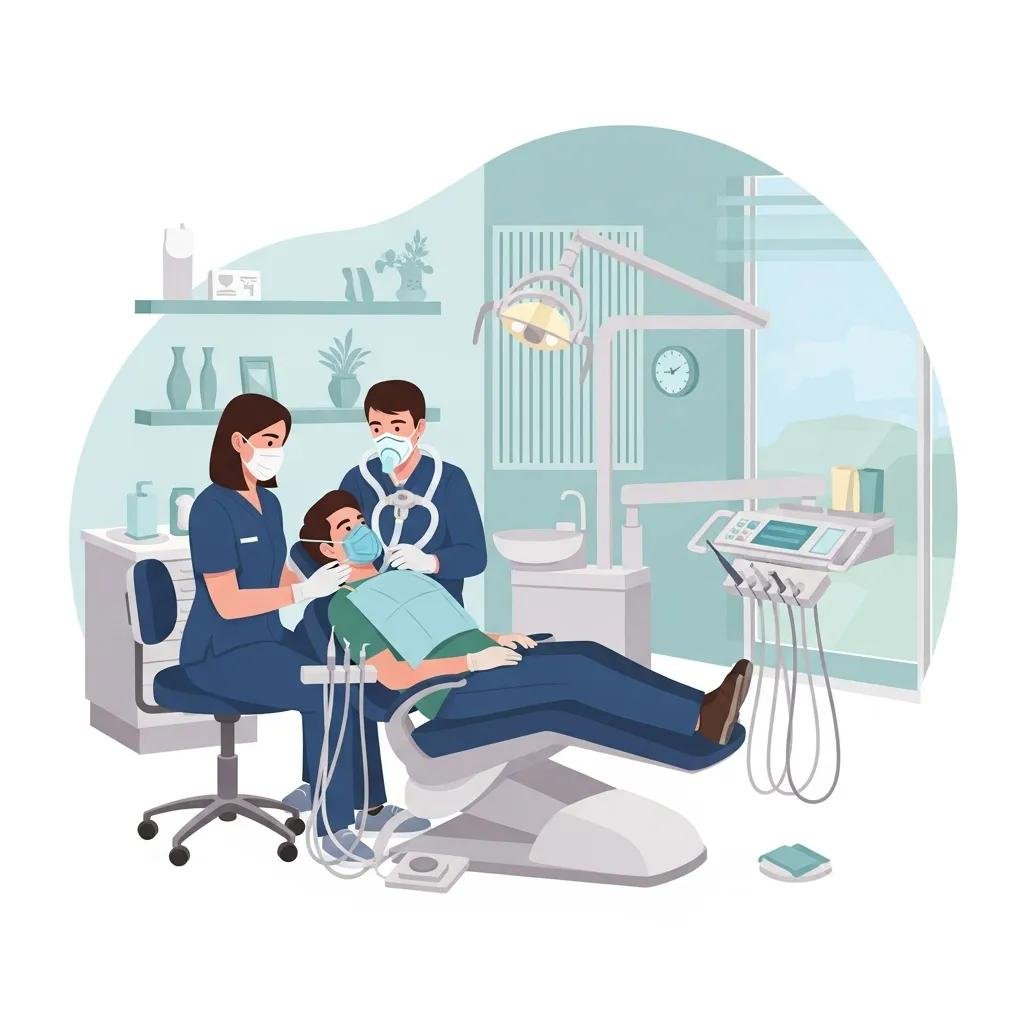
Sedation options aim to reduce fear and improve procedural tolerance while maintaining patient safety through appropriate monitoring. Nitrous oxide provides light sedation with quick recovery and is suitable for patients who need gentle anxiolysis during short visits. Oral conscious sedation uses prescribed medication to create deeper relaxation and typically requires someone to escort the patient home and post-procedure monitoring; candidacy is determined by medical history and current medications. Safety protocols include pre-visit screening, oxygen monitoring during procedures, and clear post-op instructions. Understanding these options helps patients choose an approach that balances comfort with safety and aligns with their treatment plan.
These sedation choices naturally lead to office-level practices that further promote a calm, welcoming environment for families and individuals alike.
How does Dr Newsham create a calm and welcoming environment?
A calming office environment combines logistical planning with empathetic staff interactions and small comforts that reduce perceived threat. Practical measures include pre-visit calls to explain arrival logistics, flexible scheduling to minimize wait times, and staff trained in child-friendly communication and adult reassurance techniques. Clinical rooms often include amenities such as music or blankets to increase comfort, and stepwise explanations before each procedure help set expectations and reduce surprises. These operational practices, together with sedation options, make complex treatments accessible to more patients and create predictable pathways from consultation to completion.
This operational emphasis on comfort supports positive patient reviews and encourages families to return for ongoing preventive care.
What do patient reviews reveal about Dr Newsham’s quality and care?
Patient reviews typically highlight recurring themes that reflect clinical quality and practice culture: gentle handling, successful restorative outcomes (especially implants), and family-oriented scheduling and communication. Synthesizing review themes helps prospective patients form realistic expectations about treatment timelines, comfort levels, and the types of outcomes they can anticipate. Many reviewers emphasize staff responsiveness and the emotional reassurance provided during procedures, which are important signals for anxious patients deciding where to seek care. Below is a compact summary table that captures testimonial themes tied to common procedures and outcomes.
This synthesis of review attributes helps potential patients evaluate whether the practice’s approach aligns with their needs; for readers ready to act, consider scheduling a consultation or reviewing full testimonials to match expectations with available services.
Which patient testimonials highlight successful dental implant treatments?
Testimonials that focus on implants often emphasize restored chewing ability, improved facial support, and renewed confidence with smiling and speaking. These narratives typically describe the implant process as life-changing because implants replace missing teeth with a fixed, functional solution that behaves like natural teeth. Satisfaction themes include comfort during function, esthetic outcomes of the crown restoration, and the durability of implant-supported restorations over time. Readers should look for testimonials that mention both functional improvements and quality-of-life changes, as these reflect comprehensive success beyond cosmetic appearance.
These implant-centered stories naturally complement family-oriented testimonials that highlight gentle pediatric care and multi-generational continuity.
How do families describe their experiences with Dr Newsham’s gentle care?
Family-focused reviews often describe pediatric visits that reduce fear through patient-centered pacing and staff who explain procedures in child-friendly terms. Parents note the convenience of scheduling multiple family members and the reassurance of continuity—seeing the same team across generations fosters trust and simplifies long-term care planning. Families also value preventive education provided during visits that empowers parents to maintain oral health at home. These themes signal a practice that supports both immediate treatment needs and ongoing preventive strategies for all ages.
Positive family experiences then connect to how the practice serves the broader Rialto community by making care accessible across nearby communities.
How does Dr Newsham serve the Rialto community and surrounding areas?
A community-serving dental practice names the nearby cities it reaches, offers resources that address common access barriers, and participates in local education or outreach when possible. Serving surrounding communities helps families find timely care for acute needs and schedule continuity for preventive and restorative treatments. Accessibility includes sensible appointment options for working families and clear directions for emergency triage during dental pain or trauma. Below is a practical list of the nearby communities typically served and what patients in each area can expect in terms of access and scheduling.
- Rialto residents can use convenient family scheduling for multi-member appointments and preventive follow-ups.
- Colton-area families often seek pediatric visits and restorative care that span generations.
- Fontana patients commonly access restorative and cosmetic procedures when seeking long-term solutions.
- Bloomington residents frequently schedule both preventive care and oral surgery consultations when needed.
- Muscoy patients benefit from coordinated care for acute dental pain and implant planning.
- San Bernardino families may seek comprehensive solutions including implants and sedation-assisted procedures.
- Riverside patients sometimes travel for specialized oral surgery or implant restoration services.
This geographic coverage supports continuity of care and leads into the specific patient resources and community involvement practices that make care easier to access.
Which nearby communities benefit from Dr Newsham’s services?
Naming served communities clarifies where families can reasonably travel for consistent dental care and which services are commonly requested by residents. Patients from neighboring cities typically select providers who offer both routine and advanced care to avoid repeated transfers between offices. Proximity combined with a broad service offering reduces delays in care for urgent needs and simplifies long-term restorative planning for implants or complex surgery. Understanding travel and scheduling logistics helps families choose appointment times that minimize disruption to school and work commitments.
Clear access planning then transitions to the suite of patient resources available to support treatment decisions.
What community involvement and patient resources does Dr Newsham offer?
Community-oriented practices provide educational resources, FAQs, and financing guidance to help patients navigate treatment choices and costs. Resource offerings often include pre-visit orientation materials, clear explanations of sedation and surgical pathways, and guidance on insurance or payment options to make recommended care manageable. Participation in local health events and school outreach helps raise oral health awareness and fosters preventive habits in children. These resources give patients the information needed to make informed choices and reduce barriers to receiving recommended treatments.
This focus on education and accessibility reinforces the practice’s role as a community partner and completes the overview of how family-oriented, comprehensive dental care supports lasting oral health.