
Shielding Smiles: Kids’ Dental Sealants
Dental sealants are an established preventive intervention in pediatric dentistry, applied to protect children’s teeth from decay. These thin resin coatings are placed on the occlusal surfaces of molars to seal grooves and pits where food debris and bacteria collect. By providing a physical barrier, sealants substantially lower cavity risk and form an important component of routine dental care for children. Below we summarize the benefits, safety profile, costs, and the application procedure so parents can make informed decisions about their child’s oral health.
What Are Dental Sealants and How Do They Protect Children’s Teeth?
Dental sealants are a preventive treatment intended to reduce dental caries in children. Clinicians apply the material to the chewing surfaces of molars to create a smooth, protective layer that inhibits plaque accumulation in fissures. The primary goal is to lower the incidence of cavities, especially for children who find it difficult to clean deep grooves effectively.
Definition and Purpose of Pediatric Dental Sealants
Pediatric dental sealants consist of a thin protective resin applied to the surfaces of permanent molars. They block plaque and food particles from accumulating in deep fissures that are hard for children to reach with a toothbrush. Clinicians generally recommend application shortly after molar eruption—commonly around ages 6 and 12—to deliver optimal protection during cavity-prone years.
How Sealants Prevent Tooth Decay in Children
Sealants function as a durable physical barrier that prevents bacteria and food particles from settling in fissures. Clinical evidence shows sealants can reduce cavity risk by up to 80% in the first two years after placement. Applying sealants early, before decay begins, preserves tooth structure and supports long-term oral health during formative years.
Systematic and clinical studies consistently demonstrate a substantial preventive effect of dental sealants on caries reduction.
Pediatric Dental Sealants: Effectiveness in Caries Reduction
This work evaluated the global impact of early childhood caries, particularly emphasizing underserved populations. Additionally, it assesses the current trends and evidence-based practices in pediatric preventive dentistry. The article presents recent clinical findings from a qualitative literature review covering the years 2015–2025, with data obtained from PubMed, Cochrane Library, and Google Scholar. To evaluate the findings, a comprehensive search and thematic grouping of findings has been conducted. The results demonstrated that fluoride varnishes and dental sealants are highly effective in reducing caries incidence. Furthermore, this article highlighted how new technologies, including silver diamine fluoride (SDF), AI-assisted detection, and Teledentistry, might help people get care more easily.
Current Trends and Evidence-Based Practices in Pediatric Preventive Dentistry, SF Obaid, 2026
Are Dental Sealants Safe for Children?
Parents commonly ask about sealant safety. Extensive research and guidance from public health bodies indicate that dental sealants are safe for pediatric use. The materials used have undergone testing for biocompatibility and clinical effectiveness.
Safety Standards and Recommendations by ADA and CDC
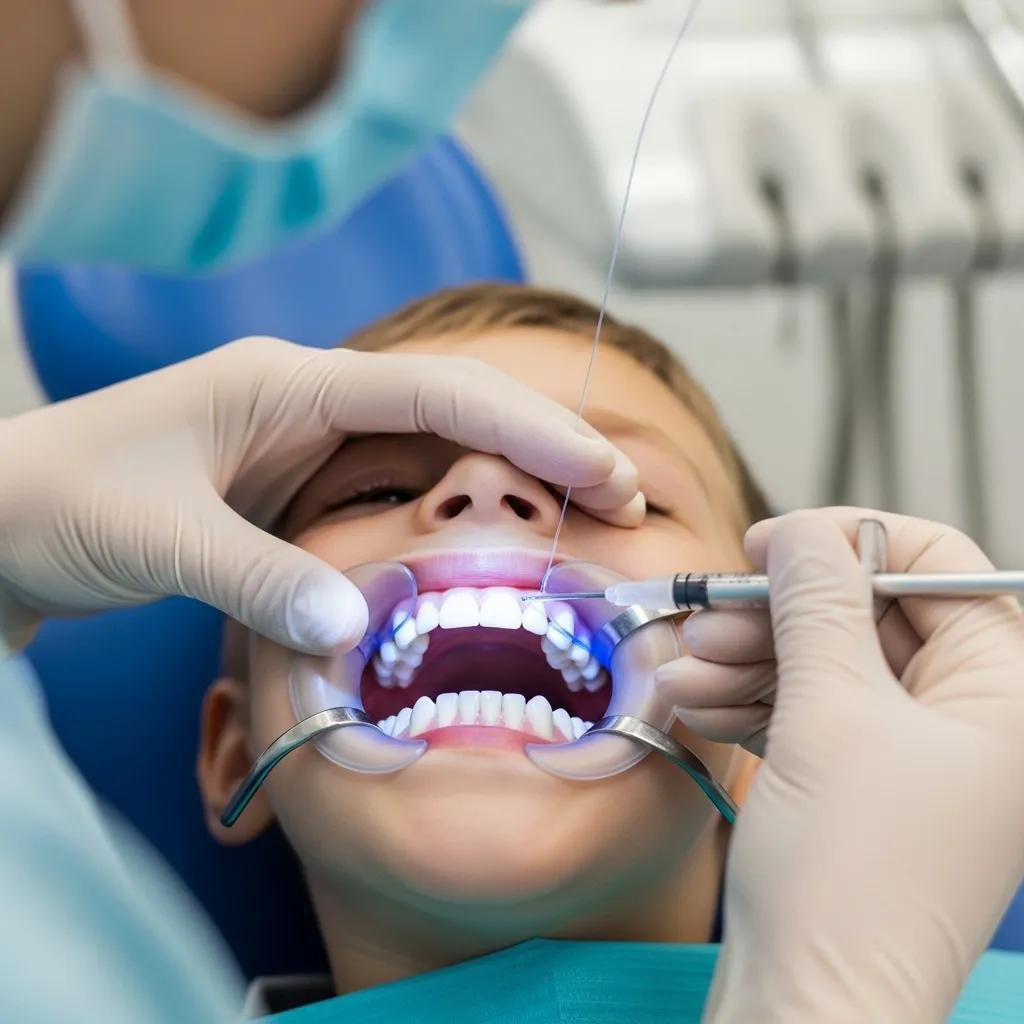
The American Dental Association (ADA) and the Centers for Disease Control and Prevention (CDC) endorse dental sealants as a safe and effective preventive strategy. Both organisations recommend sealants for children at elevated risk of tooth decay and advise routine dental assessments to confirm sealant integrity and effectiveness over time.
Common Side Effects and How They Are Managed
Sealants are well tolerated; some children may report brief sensitivity to temperature or pressure immediately after placement. These effects are usually transient and manageable with over-the-counter analgesics when indicated. Contact your pediatric dentist if sensitivity persists or if you have concerns about your child’s comfort after treatment.
Understanding the Cost and Insurance Coverage for Dental Sealants
Cost considerations are important for families evaluating sealants. Fees vary by location, clinic, and the sealant material selected, so it’s useful to request an estimate from your dental provider.
Typical Price Range for Pediatric Dental Sealants
Typical fees range from $30 to $60 per tooth. Many clinics offer reduced rates for treating multiple teeth, which can make full-mouth protection more affordable. Because sealants prevent cavities, they may reduce the need for more expensive restorative care over time.
Comparative studies have also examined the cost-effectiveness of different sealant materials and delivery methods.
Cost-Effective ART Sealant vs. Resin Sealant
ART sealant was lower than that of using resin sealant. Therefore, ART sealant could be a good alternative to resin sealant
A cost minimisation analysis of two dental sealing methods in an outreach dental program, 2021
Insurance Coverage and Payment Options for Families
Many dental insurance plans cover sealants for children. Verify your specific benefits with your insurer. Dental practices frequently provide payment plans or financing options to help families manage preventive care costs and ensure children receive recommended treatments.
How Is the Dental Sealant Application Procedure Performed?
Sealant placement is a brief, minimally invasive procedure that is usually completed in a single dental visit. Understanding each step often reduces anxiety for both parents and children.
Step-by-Step Process of Applying Sealants to Children’s Teeth
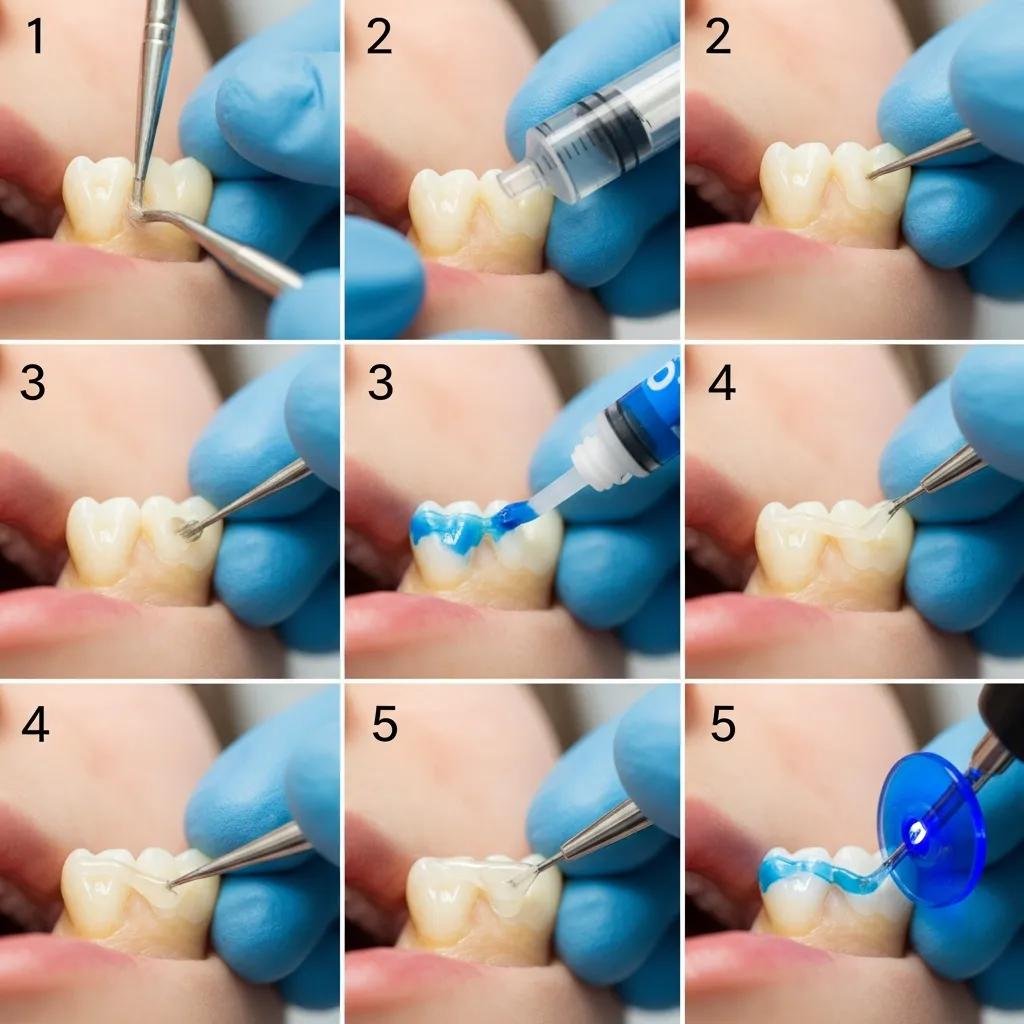
- Tooth Cleaning: The dentist begins by cleaning the teeth to remove any plaque or debris.
- Drying the Tooth: The tooth is then dried, and an acidic solution is applied to help the sealant bond effectively.
- Sealant Application: The sealant material is painted onto the tooth surface, filling in the grooves and pits.
- Curing: A special light may be used to harden the sealant, ensuring it adheres properly to the tooth.
The procedure generally takes about 30 minutes and is painless, making it straightforward for most children.
Dental literature describes the bonding process in detail, with acid etching shown to improve sealant adhesion to enamel.
Dental Sealant Application: Acid Etching Technique
sealant application technique is acid conditioning or acid etching procedure. Etching enhances the tooth’s receptivity to bonding with the sealant.
Pit and fissure sealants in pediatric dentistry, G Babu, 2014
Managing Dental Anxiety During Sealant Application
To reduce anxiety, prepare your child by describing the steps in simple, reassuring terms and emphasise the protective benefit. Dentists use child-focused communication and behaviour-management techniques to create a calm environment. Allowing a familiar toy or book can also help your child feel more comfortable during the appointment.
Frequently Asked Questions
1. At what age should children get dental sealants?
Sealants are usually recommended shortly after permanent molars erupt, commonly around ages 6 and 12. Applying sealants at these times protects teeth during peak cavity risk. Consult your pediatric dentist to determine the optimal timing for your child’s needs.
2. How long do dental sealants last?
Sealants typically remain effective for 5 to 10 years, depending on oral hygiene and occlusal wear. Regular dental examinations allow the clinician to assess sealant condition and recommend reapplication if wear is detected.
3. Can dental sealants be applied to baby teeth?
Yes. Sealants can be placed on primary teeth that are at high risk for decay. Protecting primary teeth helps maintain function and space for permanent teeth and supports overall oral health during development. Your pediatric dentist will evaluate the need based on risk factors.
4. Are there alternatives to dental sealants for cavity prevention?
Alternatives include professional fluoride applications to strengthen enamel and rigorous oral hygiene practices such as regular brushing and flossing. Silver diamine fluoride (SDF) is another option used to arrest early decay. Discuss these options with your pediatric dentist to select the most appropriate preventive strategy.
5. How can parents encourage their children to maintain good oral hygiene after sealant application?
Make oral care routine and engaging: brush twice daily with fluoride toothpaste, floss as appropriate, and use fun timers or toothbrushes to motivate children. Parents should model good habits and maintain regular dental visits to reinforce the importance of oral hygiene.
6. What should parents do if their child experiences discomfort after sealant application?
Post-placement discomfort is usually mild and short-lived, such as transient sensitivity to hot or cold. Manage symptoms with over-the-counter analgesics as advised by your pediatric dentist. If pain persists or intensifies, contact the dental office for evaluation.
7. Can dental sealants be reapplied if they wear off?
Yes. If a sealant becomes worn or damaged, the dentist can clean the surface and reapply a new layer to restore protection. Routine check-ups enable early detection and timely reapplication to maintain preventive benefits.
Conclusion
Dental sealants offer proven protection against cavities and support long-term oral health in children. Understanding their benefits, safety, and cost-effectiveness enables parents to make informed care decisions. Regular assessment and timely maintenance by your pediatric dentist help ensure lasting protection and fewer restorative treatments in the future. If you’re looking for a dentist in Rialto, give Dr David Newsham a call!