
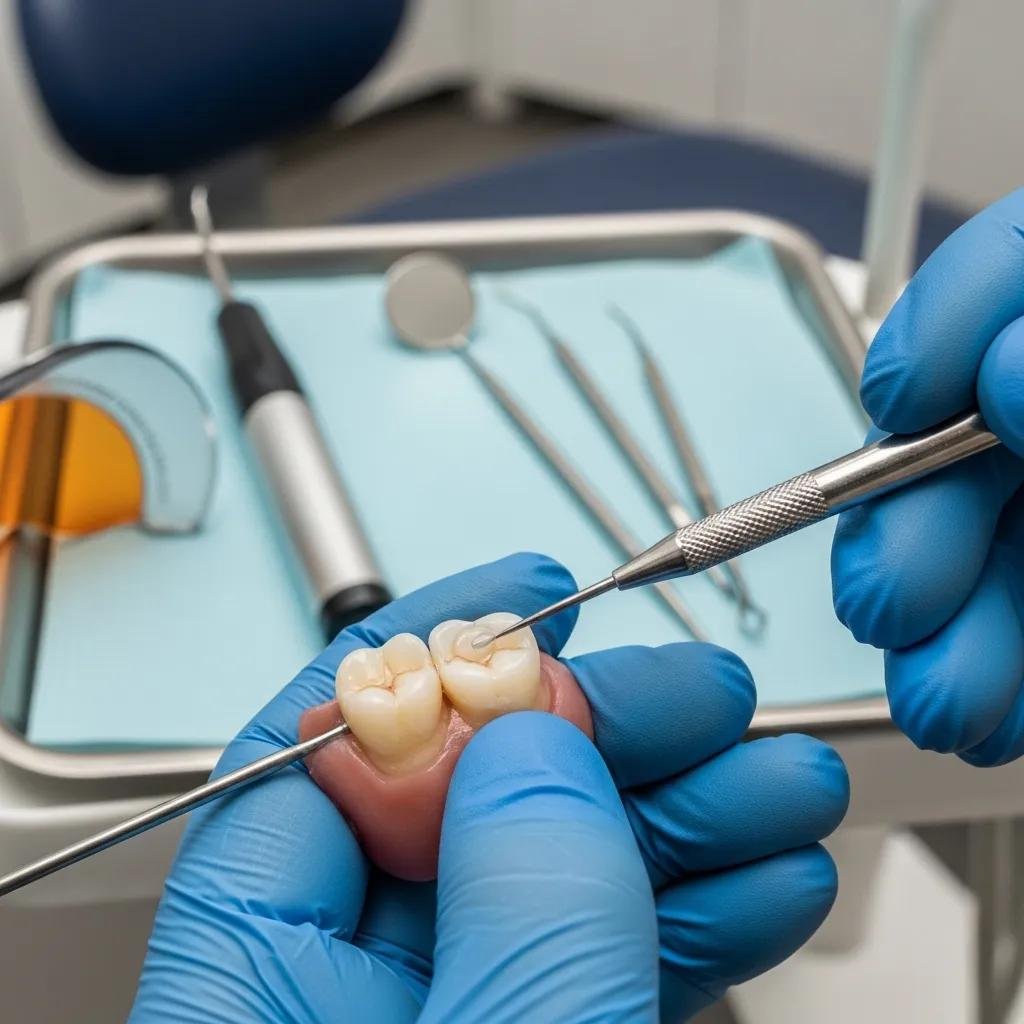
Your Guide to Dental Bonding
Cosmetic dental bonding is a common, quick treatment for chipped teeth that restores a natural look. This guide covers the procedure, typical costs, aftercare, and how bonding compares with veneers, so you know who is eligible, what to expect, and how to care for bonded teeth.
What Is Cosmetic Dental Bonding and How Does It Repair Chipped Teeth?
Cosmetic dental bonding uses a tooth-coloured composite resin to repair chips, cracks and discolouration. It bonds to enamel and dentine to restore shape and function while matching adjacent teeth. Many patients prefer bonding because it is minimally invasive and provides fast aesthetic results.
Understanding the Dental Bonding Procedure Using Composite Resin
Bonding begins with a consultation to assess the damage and desired outcome. Typical steps:
- Preparation: Clean and gently roughen the tooth surface to improve adhesion.
- Application: Place a tooth-coloured composite resin onto the damaged area.
- Shaping: Sculpt the resin to match the tooth’s contours.
- Curing: Harden the material with a special light to set the bond.
- Finishing Touches: Polish the restoration for a natural appearance.
Familiarity with adhesive systems and resin cement helps clinicians optimise bond strength and long-term durability.
Dental Bonding Procedure: Adhesive, Resin Cement, and Enamel Bond Strength
For cementation of ceramic restorations, a layer of adhesive followed by resin cement is applied to the treated enamel surface. The light activation of adhesive may occur before or simultaneously with the resin cement. The aim of this study was to evaluate the influence of ceramic thickness and previous light activation of adhesive on shear strength of resin cement to enamel.
Effect of Ceramic Thickness and Adhesive Light Curing on Bond Strength of Resin Cements to Enamel, K Baroudi, 2026
The procedure generally takes about 30–60 minutes per tooth, so bonding is often completed in a single visit.
Who Is Eligible for Dental Bonding at Newsham Dental in Rialto?
Bonding is suitable for minor chips, small cracks or surface discolouration. Eligibility depends on several factors:
- Extent of Damage: Best for small repairs; more severe damage may need crowns or veneers.
- Dental Health: Good overall oral health is required; untreated decay or gum disease should be treated first.
- Anxiety Considerations: Dr David Newsham offers gentle care for anxious patients and children to ensure a comfortable experience.
Dental Bonding Costs and Payment Options at Newsham Dental
Costs vary by the size of the repair and clinician experience. Knowing financial implications helps with treatment planning.
Typical Cost Breakdown for Chipped Tooth Repair with Dental Bonding
Average fees are commonly between $300 and $600 per tooth, depending on materials and complexity. Main cost drivers include:
- Location: Local market rates affect price.
- Dentist’s Expertise: Experienced clinicians may charge more.
- Extent of Repair: Larger repairs increase cost.
Available Insurance and Payment Plans for Cosmetic Dental Bonding
Some dental plans cover part of bonding when it is medically necessary. Newsham Dental offers financing to help manage costs, including:
- In-House Payment Plans: Flexible options tailored to patient needs.
- Insurance Acceptance: Work with multiple insurers to maximise coverage.
Contact Dr David Newsham’s office for details about coverage and payment options.
What Are the Essential Aftercare Instructions for Maintaining Bonded Teeth?
Proper aftercare preserves the repair and helps maintain appearance and function. Follow these recommendations to prolong results.
Daily Care Tips to Prolong the Life of Dental Bonding
To maintain bonded teeth, follow simple daily habits:
- Maintain Good Oral Hygiene: Brush twice daily and floss to prevent plaque and decay.
- Avoid Staining Foods: Limit coffee, tea and red wine to reduce staining of the composite.
- Regular Dental Check-Ups: Routine visits let the dentist monitor the bond and address wear early.
When to Schedule Follow-Up Visits and What to Expect
Follow-up visits let the dentist check the bond’s integrity. Plan to return:
- Within a Few Weeks: To confirm the bonding has settled and resolve any immediate issues.
- Annually: For routine checks and maintenance.
At these visits the dentist will inspect the bonded area and recommend any repairs or polishing as needed.
What Are the Pros and Cons of Dental Bonding Versus Veneers for Chipped Teeth?
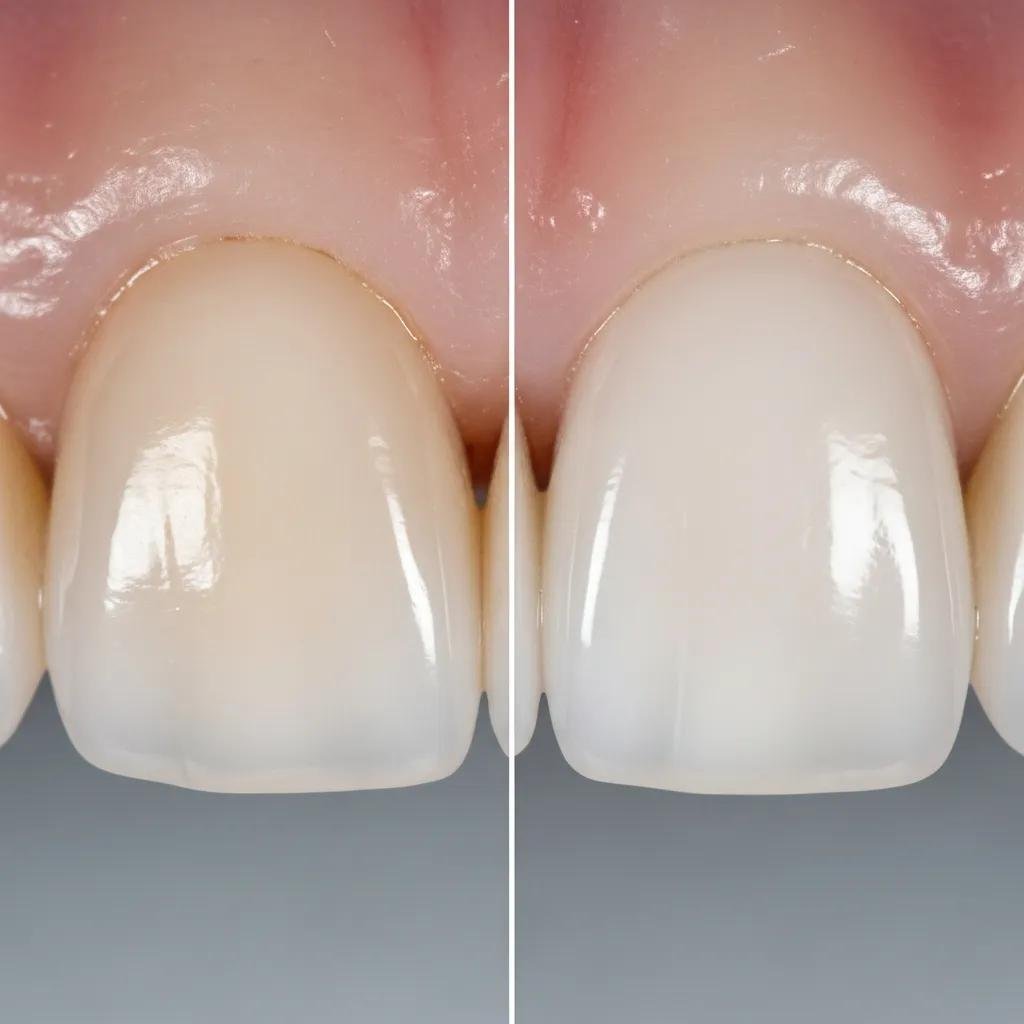
Compare bonding and veneers to choose the best repair for chipped teeth.
Comparing Durability, Appearance, and Cost of Bonding and Veneers
Key differences:
- Durability: Veneers typically last longer (10–15 years) and resist staining better than bonding (5–10 years).
- Appearance: Both can look natural; veneers often offer a more polished, uniform finish.
- Cost: Bonding is usually less expensive and quicker to place than veneers.
Alternative Chipped Tooth Repair Options and Their Benefits
Options include crowns for extensive damage, whitening for colour issues, and orthodontics when misalignment contributes to chipping. Discuss clinical needs with your dentist to select the right option. If you’re in the Rialto area, and curious about the tooth bonding cost, contact our office for more information!
Frequently Asked Questions
1. How long does dental bonding last compared to other cosmetic procedures?
Bonding usually lasts about 5–10 years; veneers often last 10–15 years. Good oral hygiene and regular check-ups extend the life of bonded restorations.
2. Can dental bonding be used for teeth that are severely damaged?
Bonding suits minor chips and surface flaws. Teeth with extensive structural damage or advanced decay typically need crowns or veneers for strength and protection.
3. Is dental bonding a painful procedure?
Most patients feel minimal discomfort. The treatment is minimally invasive and local anaesthetic can be used if needed; mild sensitivity may occur briefly afterwards.
4. How can I prevent my bonded teeth from staining?
Limit staining drinks (coffee, tea, red wine), maintain brushing and flossing, and attend professional cleanings so stains can be managed early.
5. What should I do if my dental bonding chips or breaks?
Contact your dentist promptly. Small chips are often repaired by reapplying composite; larger damage may require replacement of the restoration.
6. Are there any specific foods to avoid after getting dental bonding?
Avoid hard or sticky foods (hard candy, ice, chewy sweets) and limit staining foods for the first 48 hours while the material sets.
7. How does dental bonding compare to orthodontic treatments for misaligned teeth?
Bonding fixes cosmetic defects; orthodontics corrects alignment and bite. When misalignment causes chipping, orthodontic treatment may be the better long-term solution.
Conclusion
Cosmetic dental bonding is a fast, effective way to repair chipped teeth and restore appearance and function. Understanding the steps, costs and aftercare helps you make an informed choice. Contact the office of Dr David Newsham for personalised advice and treatment planning to restore your smile.