
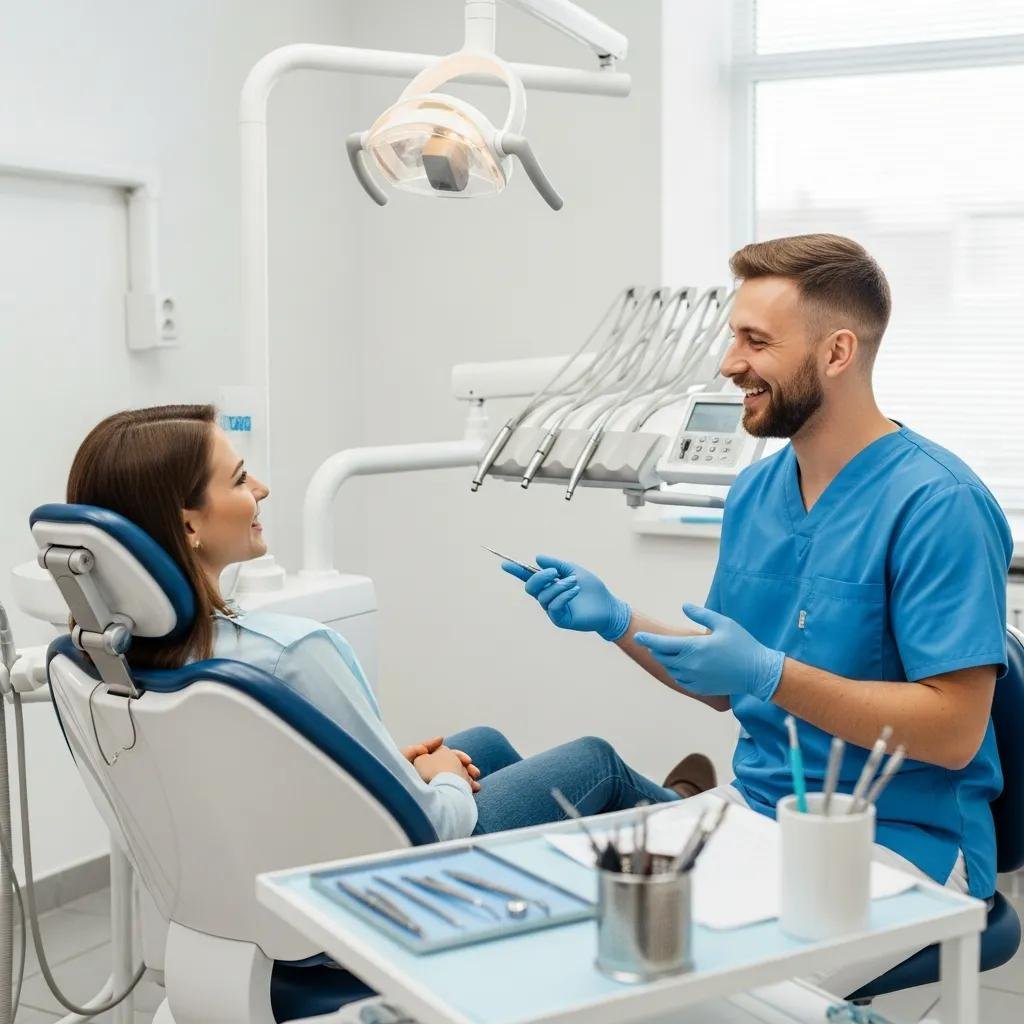
How Often Should You Visit the Dentist?
Regular dental visits are essential for maintaining optimal oral health and preventing potential issues. The frequency of these visits can vary based on individual needs, but understanding the general recommendations can help you stay on track. This article will explore how often you should visit the dentist, the factors influencing these recommendations, and the benefits of regular checkups. Additionally, we will discuss how dental anxiety can affect your visit frequency and provide insights into scheduling and preparing for your appointments.
What Is the Recommended Dental Visit Frequency for Adults?
The general recommendation for adults is to visit the dentist at least once every year for routine checkups and cleanings. However, many dental professionals advise visits every six months, especially for those without specific health concerns, as this frequency allows for the early detection of dental issues, ensuring that any problems can be addressed before they escalate. Individual needs may vary based on personal dental health, lifestyle, and risk factors. For instance, those with a history of dental problems or specific health conditions may require more frequent visits to maintain their oral health.
Research further supports the importance of regular dental visits for maintaining optimal oral health.
Dental Visit Frequency & Oral Health Outcomes
of different frequencies of dental visits (recall intervals) on oral health, including dental caries and periodontal disease,
Effect of different frequencies of dental visits on dental caries and periodontal disease: a scoping review, N Amarasena, 2023
How Do Risk Factors Influence Adult Dental Exam Intervals?
Several risk factors can influence how often adults should schedule dental exams. Individuals with chronic health conditions, such as diabetes or heart disease, may need to visit the dentist more frequently to monitor their oral health closely. Additionally, age and dental history play significant roles; older adults or those with a history of cavities or gum disease may benefit from more regular checkups. Understanding these factors can help tailor a dental care schedule that meets your specific needs.
Further research highlights how various health and socioeconomic factors can impact dental visit frequency, particularly among older adults.
Factors Influencing Dental Visits in Older Adults
We found consistent lower dental service utilization among older adults with diabetes, heart disease or stroke, and chronic obstructive pulmonary disease (COPD) compared with those without the disease after adjusting for sociodemographic characteristics. We also found lower dental service utilization among older adults with lower income, less education, and no health care coverage and among those who smoked.
Prevalence of past-year dental visit among US adults aged 50 years or older, with selected chronic diseases, 2018, 2018
What Are the Benefits of Biannual Dental Checkups?
Biannual dental checkups offer numerous benefits that contribute to overall oral health. Regular visits allow for:
- Early Detection of Dental Issues: Routine exams help identify problems like cavities, gum disease, and oral cancer at an early stage, making treatment more effective.
- Professional Cleaning Benefits: Dental cleanings remove plaque and tartar buildup that regular brushing and flossing may miss, reducing the risk of cavities and gum disease.
- Personalized Oral Health Advice: Dentists can provide tailored recommendations based on your dental health, helping you maintain optimal oral hygiene practices.
These benefits highlight the importance of adhering to the recommended dental visit frequency.
The critical role of consistent dental care in detecting serious conditions like oral cancer early is underscored by scientific studies.
Regular Dental Visits & Early Oral Cancer Detection
Never or rarely going to the dentist was associated with being diagnosed at higher stage for oral and pharyngeal cancer (cumulative OR = 2.28, 95 % CI: 1.02–5.10) and oral cancer (cumulative OR = 9.17, 95 % CI: 2.70–31.15) compared to those going to the dentist at least annually.
Regular dental visits are associated with earlier stage at diagnosis for oral and pharyngeal cancer, SM Langevin, 2012
How Often Should Children and Families Schedule Dental Visits?
Children should visit the dentist by their first birthday or within six months after their first tooth appears, whichever comes first. Regular dental visits are crucial for monitoring the development of their teeth and addressing any issues early on. Establishing a dental care routine at a young age can help instill good oral hygiene habits that last a lifetime.
What Is the Pediatric Dental Care Schedule for Different Age Groups?

The pediatric dental care schedule varies by age group:
- Infants (0-1 year): First dental visit should occur by the first birthday or within six months of the first tooth eruption.
- Toddlers (1-3 years): Routine checkups every six months to monitor tooth development.
- Children (4-12 years): Continued six-month visits, with an emphasis on preventive care and education on proper brushing and flossing techniques.
This schedule ensures that children receive the necessary care as their teeth and jaws develop.
How Does Compassionate Care Support Anxious Children During Visits?
Compassionate care is vital for helping anxious children feel comfortable during dental visits. Techniques used to ease anxiety include:
- Creating a Safe Environment: A welcoming and friendly atmosphere can help children feel more at ease.
- Gentle Communication Techniques: Dentists and staff can use calming language and explain procedures in a way that is easy for children to understand.
At Newsham Dental, we focus on providing gentle dental services tailored to families and children, ensuring that every visit is a positive experience.
How Can Dental Anxiety Affect Your Visit Frequency and Experience?
Dental anxiety can significantly impact how often individuals visit the dentist. Those who experience anxiety may postpone or avoid appointments, leading to more severe dental issues over time. Understanding the relationship between anxiety and dental visits is crucial for maintaining oral health.
What Techniques Does Newsham Dental Use to Manage Dental Anxiety?
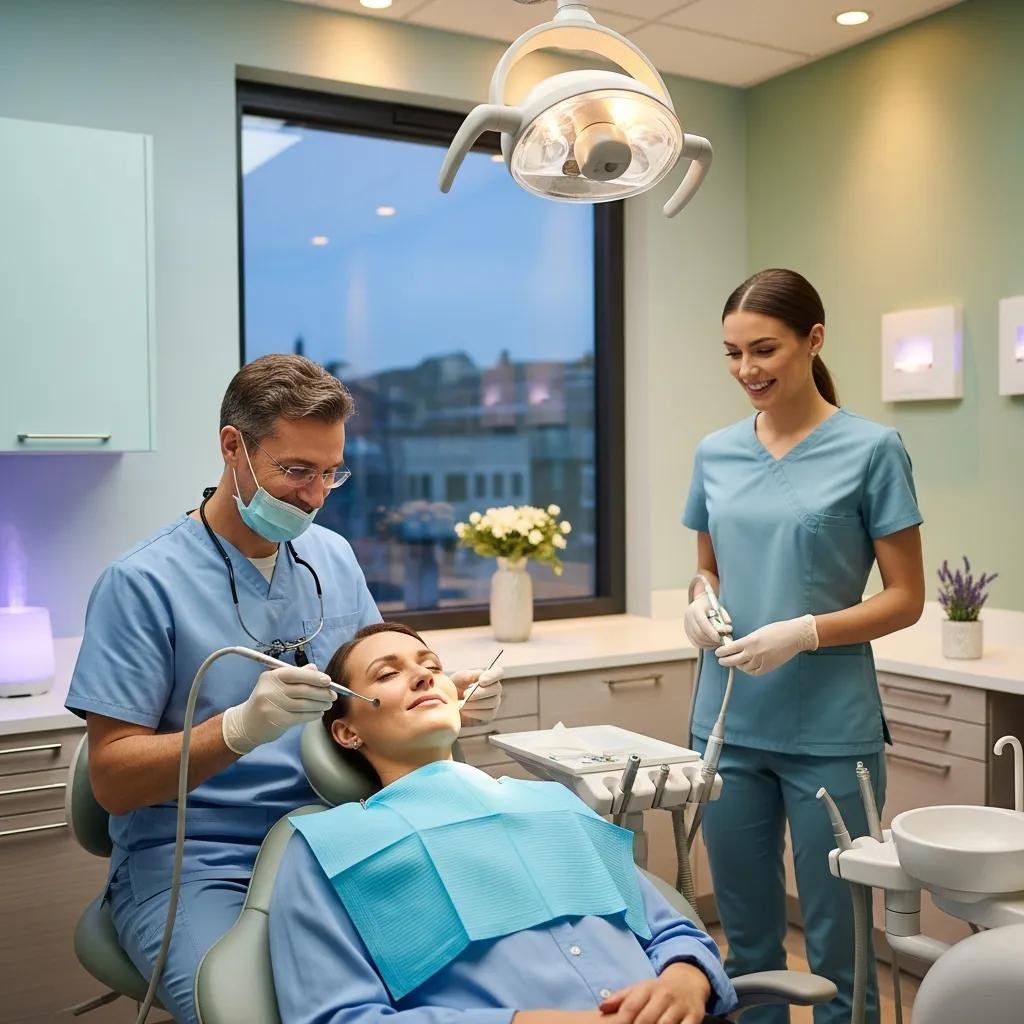
Newsham Dental employs several techniques to help manage dental anxiety, including:
- Sedation Options: We offer sedation dentistry to help patients relax during procedures.
- Gentle Techniques: Our team uses gentle methods to minimize discomfort, ensuring a more pleasant experience.
These strategies aim to create a supportive environment for patients with dental anxiety, encouraging them to maintain regular visits.
When Should Patients with Anxiety Consider More Frequent Visits?
Patients with dental anxiety may benefit from more frequent visits, especially if they experience specific conditions that require closer monitoring. Shorter, more frequent appointments can help build comfort and trust with the dental team. Additionally, sedation options can be discussed to make these visits more manageable.
What Signs Indicate You Should See a Dentist Sooner Than Scheduled?
Certain signs may indicate the need for an unscheduled dental visit. Recognizing these symptoms can help prevent more serious issues from developing.
Which Symptoms Require Immediate Dental Attention?
Symptoms that require immediate dental attention include:
- Severe Toothache: Persistent pain that does not subside with over-the-counter medication.
- Bleeding Gums: Gums that bleed during brushing or flossing may indicate gum disease.
- Signs of a Dental Abscess: Swelling, pus, or severe pain can signal an infection that needs prompt treatment.
Addressing these symptoms quickly can lead to better outcomes and prevent complications.
How Does Early Detection Improve Oral Health Outcomes?
Early detection of dental issues can significantly improve oral health outcomes. By identifying problems like cavities or gum disease early, patients can receive timely treatment, which often results in less invasive procedures and better long-term health. Regular checkups play a crucial role in facilitating early detection.
How Do You Schedule and Prepare for Your Dental Appointment?
Scheduling and preparing for your dental appointment can enhance your overall experience. Knowing what to expect can help alleviate anxiety and ensure a smooth visit.
What Is the Process for Booking an Appointment at Newsham Dental?
Booking an appointment at Newsham Dental is straightforward. Patients can call our office at (909) 820-9081 or visit us. We recommend verifying insurance details during the booking process to ensure a seamless experience.
How Can Patients Prepare for a Comfortable and Effective Visit?
To prepare for a comfortable and effective dental visit, patients should:
- Gather Medical History: Bring any relevant medical information to share with the dental team.
- Discuss Concerns: Communicate any specific concerns or anxieties with the dental staff before the appointment.
These steps can help ensure that your visit is as comfortable and effective as possible.