
Rialto’s Dental Crowns & Bridges: Restore Your Smile with Gentle Care
At Newsham Dental in Rialto, we offer crowns and bridges to restore how your teeth look and work. These restorations fix damaged or missing teeth so you can eat, speak, and smile with confidence. Below we explain the types of crowns and bridges, what the procedures involve, and what to expect for costs and aftercare so you can make an informed choice.
Appointment
Schedule Your Crown or Bridge Consultation
Restore damaged or missing teeth with custom crowns and bridges designed for strength, comfort, and natural aesthetics.
What Are Dental Crowns and When Are They Needed?
Dental crowns are custom caps placed over damaged teeth to rebuild their shape, strength, and appearance. You may need a crown after a root canal, when a tooth is cracked, heavily filled, or worn down. Crowns protect what’s left of the tooth and help it function normally for years to come.
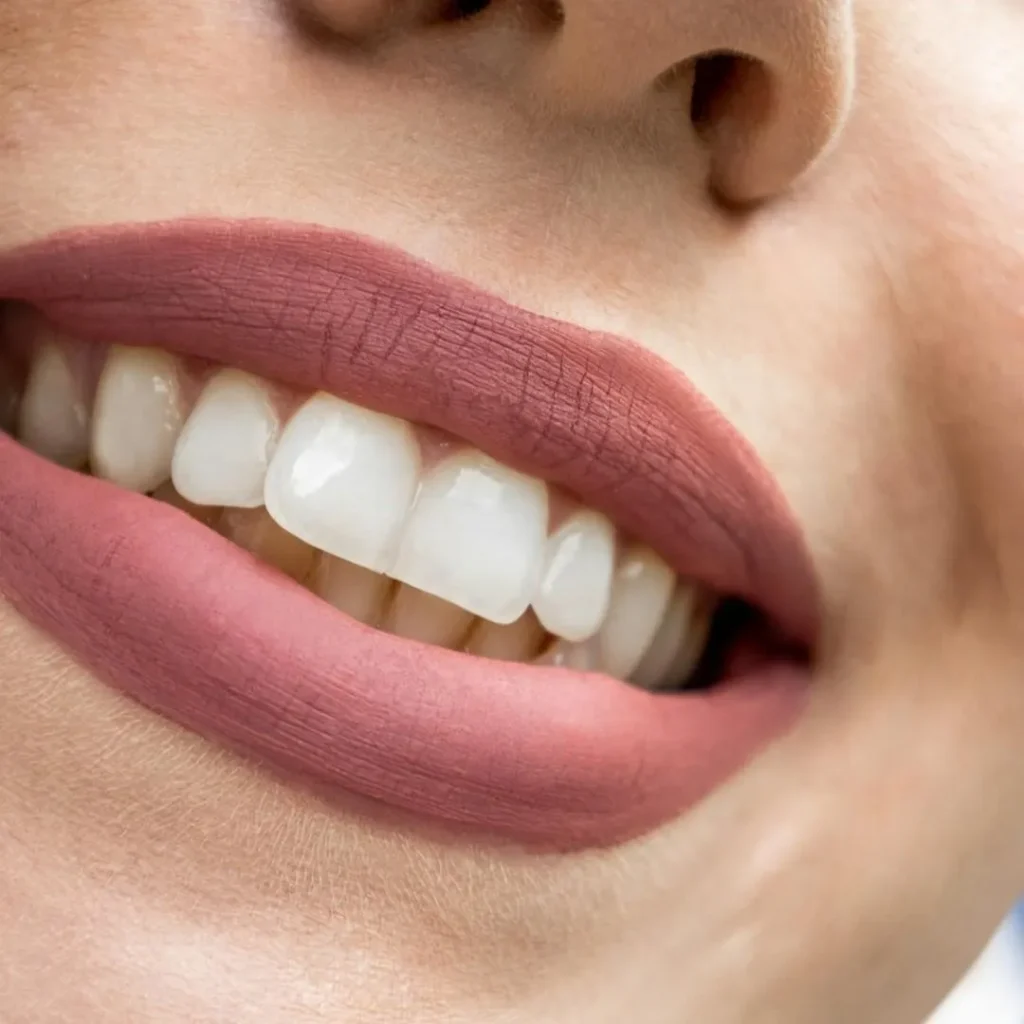
What is a Dental Crown and How Does It Restore Teeth?
A crown covers a weakened or broken tooth, restoring its size, shape, and chewing ability. Crowns can be made from metal, porcelain fused to metal, all-ceramic materials, or zirconia. The right material depends on the tooth’s position, your bite, and cosmetic goals. By reinforcing the tooth, a crown prevents further damage and brings back reliable function.
When Should You Consider Getting a Dental Crown in Rialto?
Consider a crown if a tooth is badly decayed, cracked, or has had root canal treatment. Crowns are also used to support large fillings, anchor bridges, or as part of full-mouth rehabilitation. During a consultation at our Rialto office, we’ll evaluate your tooth and recommend the best restorative option for lasting results.

Exploring Types and Materials of Dental Crowns
Knowing the common crown materials helps you choose the option that balances strength and appearance.
What Are the Different Types of Dental Crowns Available?
- Porcelain Crowns: Natural-looking and often used for front teeth where appearance matters.
- Zirconia Crowns: Extremely durable and wear-resistant, suitable for both front and back teeth.
- E-max Crowns: Made from lithium disilicate glass-ceramic, these provide an excellent combination of strength and esthetics for visible areas.
How Do Porcelain, Zirconia, and E-max Crowns Compare?
Understanding Dental Bridges: Types and Benefits
Dental bridges replace one or more missing teeth with artificial teeth (pontics) anchored to crowns on nearby natural teeth. Bridges restore chewing, speech, and the appearance of your smile, while helping prevent neighboring teeth from shifting out of place.

What is a Dental Bridge and How Does It Replace Missing Teeth?
A bridge fills the gap left by missing teeth. Crowns on adjacent teeth hold the pontics in place, returning stability and helping preserve the shape of your face and bite.
Which Types of Dental Bridges Are Offered in Rialto?
- Traditional Bridges: Crowns on both sides of the gap with pontics between — the most common type.
- Cantilever Bridges: Used when support exists on only one side of the missing tooth.
- Maryland Bridges: Pontics supported by a bonded metal or porcelain framework attached to the back of adjacent teeth.

The Dental Crown and Bridge Procedures at Newsham Dental
At Newsham Dental, crown and bridge care usually takes a few weeks rather than months. The typical process includes tooth preparation, impressions, and temporary restorations while your permanent crown or bridge is fabricated. We provide clear aftercare instructions so your new restoration heals and performs well. When everything is ready, we place your custom crown, bridge, or denture to restore comfort, function, and appearance.
What Are the Steps Involved in Getting a Dental Crown?
- Initial Consultation: We evaluate the tooth and discuss your options.
- Tooth Preparation: The tooth is shaped to fit the crown.
- Impressions: Detailed impressions create a custom-fit crown.
- Temporary Crown: A temporary protects the tooth while the permanent crown is made.
- Final Placement: The permanent crown is fitted and cemented.
How is a Dental Bridge Procedure Performed?
- Consultation: We review your dental health and goals.
- Preparation of Abutment Teeth: Adjacent teeth are prepared for crowns that will support the bridge.
- Impressions: Impressions are taken to craft your custom bridge.
- Temporary Bridge: A temporary restores function while the permanent bridge is made.
- Final Placement: The finished bridge is fitted and secured to restore your smile.
Appointment
Call Now to Restore Your Smile
Our Rialto dental restorations improve function, protect teeth, and enhance your smile’s appearance.
Cost and Aftercare: What to Expect for Crowns and Bridges in Rialto
Knowing the likely costs and aftercare helps you plan your treatment with confidence.

What Factors Influence the Cost of Dental Crowns and Bridges?
- Material Used: Porcelain and E-max tend to cost more than basic metal options.
- Complexity of the Procedure: More involved cases or additional treatments can raise the price.
- Location: Fees vary by practice, region, and provider experience.
How Should You Care for Your New Dental Crown or Bridge?
- Maintain Good Oral Hygiene: Brush and floss daily to prevent decay at the margins.
- Avoid Hard Foods: Be cautious with very hard or sticky foods that can damage restorations.
- Regular Check-ups: Visit us regularly so we can monitor your crowns and bridges and catch issues early.
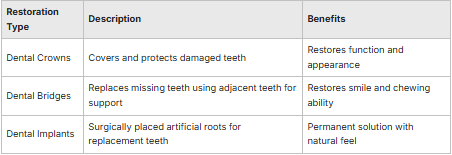
Comparing Dental Crowns, Bridges, and Implants for Smile Restoration
Each restoration option has its place. Understanding differences helps you choose what’s right for you.
What Are the Differences Between Crowns, Bridges, and Implants?
Crowns restore individual teeth. Bridges replace one or more missing teeth by anchoring to neighboring teeth. Implants are surgically placed in the jaw as a stable foundation for replacement teeth. Your dentist will review the benefits and limitations of each option based on your oral health and goals.
How to Choose the Best Restorative Option for Your Smile?
-
Consultation: Book a thorough visit to discuss your dental history and expectations.
-
Assessment of Needs: We’ll evaluate your teeth and gums to identify the right treatment path.
-
Personalization: Together we’ll build a plan that fits your lifestyle and goals.
-
Consider Functionality and Aesthetics: Balance how the restoration will feel and look.
-
Aftercare and Maintenance: Understand the follow-up care required to keep your restoration healthy.
Frequently Asked Questions
Longevity varies by material, hygiene, and bite. Crowns often last 5–15 years; bridges typically last about 5–10 years. Regular dental visits and good home care can lengthen their lifespan.
Many dental plans cover part of the cost for crowns and bridges, but coverage differs by policy. Check with your insurance provider to learn about deductibles, copays, and limits. Our office can also help verify benefits.
We usually treat active gum disease before placing crowns or bridges. Healthy gums and bone are essential for stable restorations. Your dentist may recommend periodontal treatment first to ensure the best outcome.
You may feel some sensitivity or mild discomfort for a few days after placement — this is normal. Follow your dentist’s aftercare instructions, avoid very hard or sticky foods at first, and keep up with oral hygiene. Attend follow-up visits as recommended.
Your dentist will determine the best option after an exam and X-rays. Signs that a crown may be needed include large decay, a cracked tooth, or a tooth that’s had root canal therapy. A bridge may be recommended if you have missing teeth that need replacement.
After placement, start with soft foods and avoid hard or sticky items until your dentist confirms the restoration is secure. Once you’re comfortable and cleared by your dentist, you can gradually return to your usual diet.