Revitalize Your Smile with Implants
Missing multiple teeth can impair chewing, speech and confidence. Dental implants offer a durable, natural-looking solution. This article outlines implant options for replacing multiple teeth, typical timelines, costs and alternatives to help patients choose the best care.
What Are the Main Types of Dental Implants for Multiple Missing Teeth?
Options include traditional single implants, implant‑supported bridges and implant‑supported dentures. Each provides different support and function so patients can match treatment to their oral condition and lifestyle.
Many practices, including Newsham Dental, emphasize gentle care for anxious patients and children.
How Do Implant-Supported Bridges Restore Multiple Teeth?
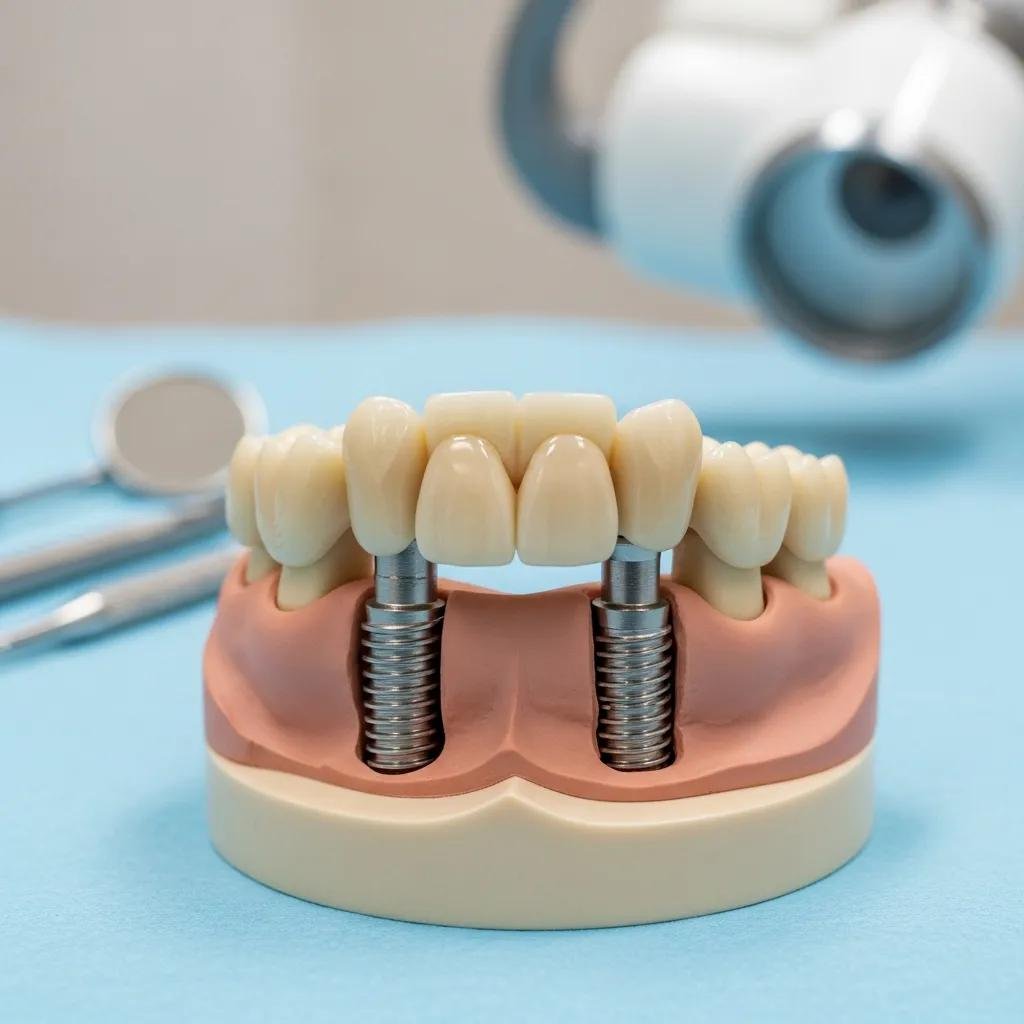
Implant‑supported bridges replace several adjacent teeth. After an evaluation, titanium posts are placed in the jawbone and left to integrate with bone before attaching the bridge to restore function and appearance.
What Are the Benefits of Implant-Supported Dentures?
Implant‑supported dentures offer advantages over removable dentures, including:
- Jawbone Preservation: Implants stimulate bone and reduce resorption.
- Enhanced Stability: They stay secure during eating and speaking.
- Improved Chewing Ability: Patients can eat a wider variety of foods comfortably.
These benefits make implant‑supported dentures a durable long‑term option. Clinical studies support implant therapy for full‑arch rehabilitation.
Advantages of Full-Arch Implant-Supported Prostheses
With the establishment of high success rates and the advantages that implant therapy offers over conventional denture therapy, implant-supported fixed complete dental prostheses have become a predictable and reliable treatment option for the rehabilitation of edentulous arches.
Long-term Clinical Outcomes and Cost-Effectiveness of Full-Arch Implant-Supported Zirconia-Based and Metal-Acrylic Fixed Dental Prostheses: A Retrospective …, S Barootchi, 2020
What Is the Typical Dental Implant Procedure Timeline for Multiple Teeth?
Placing multiple implants usually takes several months to allow healing and osseointegration. Typical stages are:
- Initial Recovery Period: After placement patients may have swelling and discomfort for a few days.
- Healing Period for Osseointegration: The implants fuse with bone over about 3 to 6 months.
- Final Restoration Attachment: Once healed, crowns, bridges or dentures are attached to the implants.
Knowing the timeline helps patients plan care and appointments.
Timing choices (immediate, early, delayed) affect outcomes and are discussed in implant literature.
Optimal Timing for Dental Implant Placement & Treatment Timelines
The optimal timing of dental implant placement remains one of the most debated topics in implant dentistry. Patients can benefit from immediate, early, or delayed implant placement rather than simply accelerating treatment timelines.
Timing of Dental Implant Placement: The Past, the Present, the
Future, DS Thoma, 2026
What Are the Step-by-Step Stages of the Implant Process?
The implant process generally follows these steps:
- Initial Consultation: Assessment and treatment planning.
- Implant Placement: Surgical insertion of titanium posts.
- Healing and Osseointegration: Integration with jawbone over months.
- Crown Placement: Attachment of custom crowns, bridges or dentures.
This sequence ensures coordinated care from placement to final restoration.
How Does Recovery Progress After Implant Placement?
Recovery varies but is usually predictable. Manage early swelling with analgesics and follow post‑op instructions during osseointegration, which typically lasts about 3 to 6 months. Maintain oral hygiene and attend scheduled follow‑up visits for the best results.
How Much Does It Cost to Replace Multiple Teeth with Dental Implants?

Costs vary by case. Per‑implant prices commonly range from $1,000 to $3,000, but total treatment depends on complexity and materials.
What Factors Influence the Cost of Implant Bridges and Dentures?
Factors that affect cost include:
- Type of Implant: Different implant systems and prostheses affect price.
- Complexity of Procedure: Bone grafts or extra surgeries increase cost.
- Materials Used: Higher‑grade materials raise prices.
Understanding these helps with budgeting.
What Financing Options Are Available for Multiple Implants?
Many practices, including Newsham Dental, offer financing. Options often include insurance coverage, flexible payment plans and in‑house financing.
- Insurance Acceptance: Some plans contribute to implant costs.
- Flexible Payment Options: Monthly payment plans spread cost.
- In-House Payment Plans: Offered by some offices to ease affordability.
These options improve access to implant care.
Dental Implant Timeline for Multiple Teeth: Step-by-Step Guide
Alternatives include full or partial dentures and conventional bridges. Each has pros and cons to weigh with a dentist.
How Do Traditional Dentures Compare to Implant Solutions?
Traditional removable dentures are less stable and comfortable than implant‑supported solutions.
- Stability: Dentures can shift; implants are secure.
- Functionality: Implants enable stronger chewing.
- Aesthetics: Implant prostheses often look more natural.
These reasons lead many patients to choose implants.
When Are Other Tooth Replacement Options Recommended?
Candidates with severe bone loss or uncontrolled health conditions may need alternative approaches such as dentures or grafting before implants.
Cost, health and personal preference guide the decision; consult a dental professional to determine the best option.
Frequently Asked Questions
1. What is the success rate of dental implants for multiple missing teeth?
Success rates are high (commonly 90–95%), varying by jaw, health and hygiene. Regular follow‑up and good oral care improve outcomes.
2. How long do dental implants last?
Implants can last many years — often 10–15+ — with proper care; attached crowns or bridges may need replacement over time.
3. Are there any risks associated with dental implant surgery?
Risks include infection, nerve or sinus issues and implant failure if bone is inadequate; risks fall with experienced clinicians and proper planning.
4. Can anyone get dental implants?
Most people can be candidates; factors like bone quantity, uncontrolled diabetes, smoking and autoimmune conditions affect eligibility.
5. How do I care for my dental implants after placement?
Care mirrors natural teeth: brush, floss, attend routine dental visits and avoid very hard foods; follow your dentist’s instructions.
6. What should I expect during the healing process after implant surgery?
Healing begins with short‑term discomfort, then a 3 to 6 month osseointegration phase. Follow post‑op guidance and attend follow‑ups for monitoring.
7. Are there age restrictions for getting dental implants?
There are no strict age limits, but jaw growth must be complete. Older adults can be candidates if they are in good overall health and have adequate bone.
Conclusion
Dental implants, including implant‑supported bridges and dentures, restore function, appearance and bone health. Understanding the procedure, costs and financing helps patients choose the right solution; consult your dentist to explore options.
