Gentle Laser Dentistry Benefits
Laser dentistry is transforming dental care by delivering more comfortable, efficient treatments using focused light energy. It reduces pain and discomfort compared with traditional techniques, helping patients with dental anxiety or those facing invasive procedures. This article summarises laser dentistry’s advantages, how it improves comfort and cleaning, and Newsham Dental’s approach to gentle care.
What Are the Key Advantages of Laser Dentistry for Gentle Treatments?
Key advantages include reduced discomfort, less invasive procedures, faster healing, less bleeding and swelling, and suitability for paediatric patients—benefits that improve patient experience and outcomes.
The adoption of laser technology in clinical practice produces multiple benefits that improve both patient experience and treatment results.
Laser Dentistry: Precision, Comfort, & Minimally Invasive Treatments
The integration of laser technology in dental practice represents a significant advancement, offering benefits such as increased precision in targeting specific areas, minimal damage to surrounding tissues, and reduced patient discomfort. Laser procedures typically result in less bleeding and swelling, often decreasing the need for anesthesia, which leads to a more comfortable patient experience. Additionally, the minimally invasive nature of lasers supports the quicker recovery and preservation of healthy tissues.
A comprehensive review on advancements in laser-assisted dental treatments: focus on minimally invasive techniques and clinical outcomes, A Moghanian, 2025
| Advantage | Description | Impact Level |
|---|---|---|
| Minimized Discomfort | Laser treatments significantly reduce pain during procedures. | High |
| Less Invasive | Many procedures can be performed without traditional drills. | High |
| Faster Healing | Patients often experience quicker recovery times. | Medium |
| Reduced Bleeding | Laser technology minimizes bleeding during treatments. | High |
| Child-Friendly | Laser dentistry is suitable for children, making visits less intimidating. | Medium |
Together, these advantages explain the growing preference for laser dentistry.
How Does Laser Dentistry Reduce Pain and Discomfort?
Lasers precisely target affected tissue while sparing adjacent structures, often reducing the need for local anaesthesia. Less bleeding and swelling enhance comfort and speed recovery so patients return to normal activities sooner.
Effective pain management with laser-assisted techniques supports treatment adherence.
Laser Dentistry for Enhanced Pain Management & Patient Comfort
Effective pain management is crucial for ensuring patient comfort and compliance in dental care. This study explores contemporary pain management strategies in dentistry while highlighting emerging technologies that offer promising advancements. Emerging technologies, including laser dentistry, computer-assisted anesthesia, and regenerative techniques, are examined for their potential to enhance patient outcomes. Laser-assisted procedures, with their reduced need for anesthesia, hold promise for less invasive treatments. Computer-assisted delivery systems offer precision in anesthetic administration, potentially minimizing patient discomfort.
Pain management in dentistry: current strategies and emerging technologies, 2024
In What Ways Is Laser Dentistry Minimally Invasive Compared to Traditional Methods?
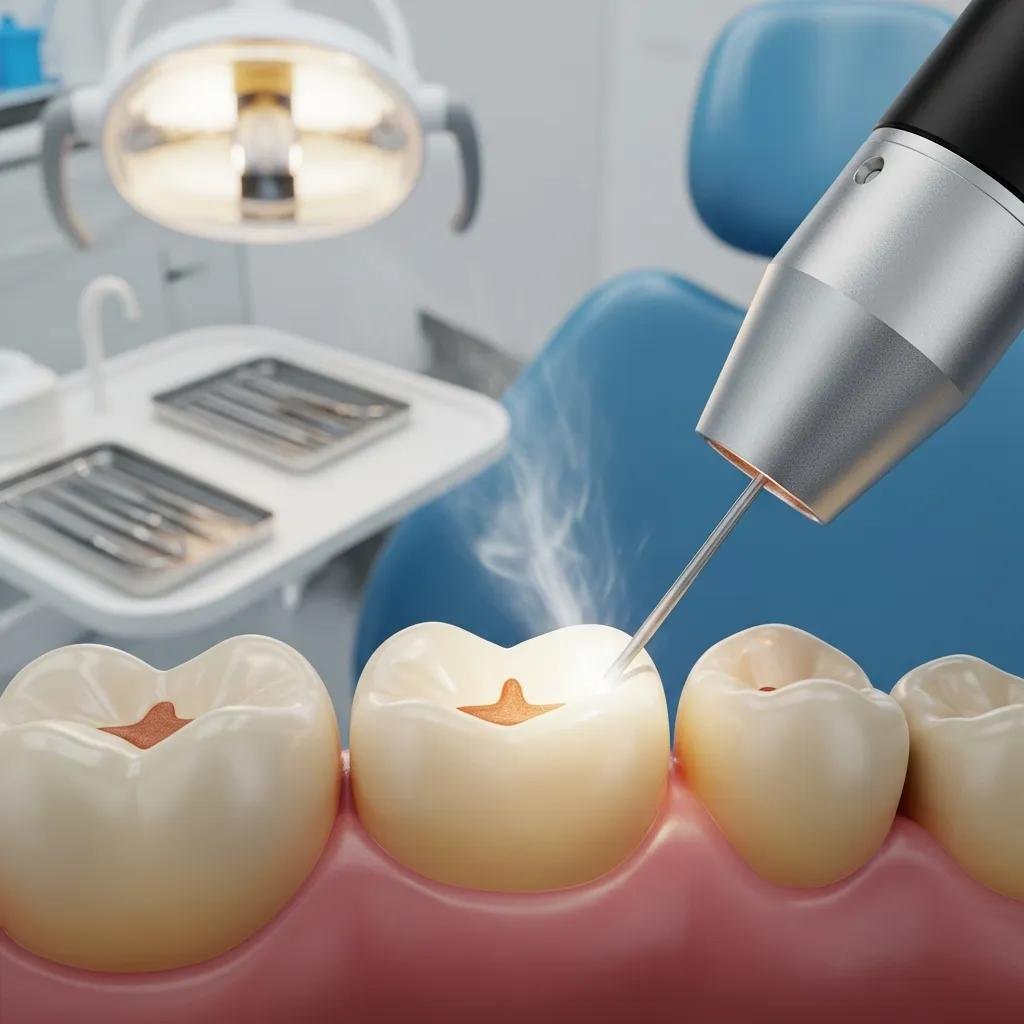
Compared with conventional methods, lasers are less invasive and can replace drills in many cases, reducing anxiety and procedural discomfort. Procedures like cavity therapy and gingival contouring cause less tissue disruption and promote faster healing.
How Laser Dentistry Improves Comfort & Relieves Anxiety
By minimising procedural pain and reducing anaesthesia needs, laser treatments create a calmer clinical environment that helps patients, especially those with past negative experiences, tolerate care more readily.
Why Is Laser Dentistry Suitable for Anxious Patients?
Lasers lower intraoperative pain and use gentler techniques, reducing visit-related anxiety and widening access to care.
What Makes Laser Dental Procedures Child-Friendly?
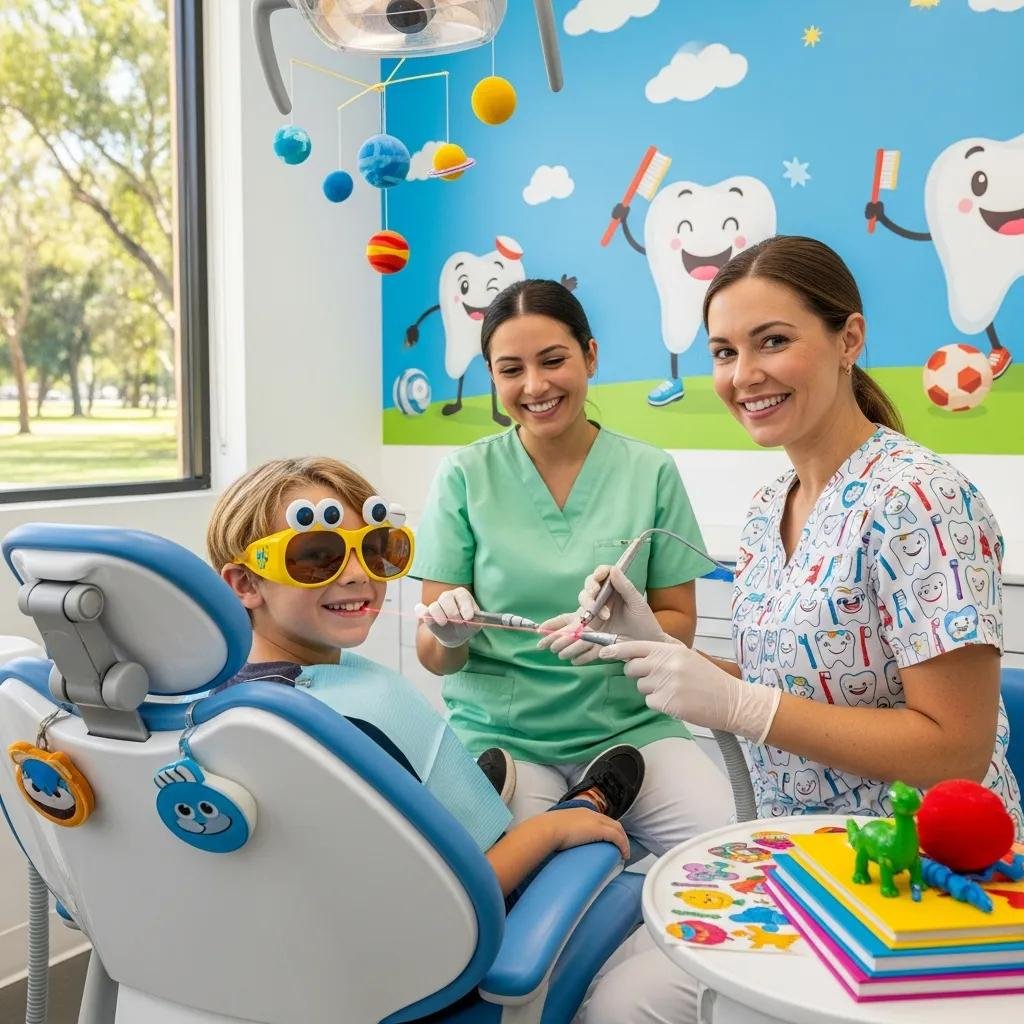
For children, reduced discomfort and no drills make visits less intimidating, decreasing future dental anxiety and encouraging regular care.
What Are the Specific Benefits of Laser Teeth Cleaning and Related Procedures?
Laser-assisted cleaning treats periodontal disease with targeted, less painful therapy and faster recovery. Precision limits harm to healthy tissue while improving tolerability.
How Does Laser Technology Improve Gum Disease Treatment?
Lasers selectively remove infected tissue while preserving healthy gingiva, reducing discomfort and swelling and supporting quicker healing.
What Are the Recovery and Safety Benefits of Laser Dental Procedures?
Laser procedures usually yield faster healing, better hemostasis, and bactericidal effects that lower complication risk. Reduced bleeding and targeted treatment make laser therapy a safe option for many patients.
These features underscore laser therapy’s clinical benefits over conventional methods.
Laser Dentistry: Superiority, Precision, & Minimal Discomfort
Lasers are superior to traditional methods due to several inherent benefits, including superior hemostasis and surgical field visibility, precise incision without adverse effects on peripheral tissues, minimal post-operative swelling followed by minimal discomfort, and a decreased risk of infection due to bactericidal effect.
Applications of lasers in soft tissue esthetics: A Review, DM Ravindran, 2025
How Does Newsham Dental Implement Laser Dentistry for Gentle and Effective Care?
Newsham Dental integrates advanced laser systems to deliver gentle, precise treatments across restorative and soft-tissue care, with protocols that minimise discomfort and support recovery.
What Advanced Laser Technologies Are Used at Newsham Dental?
The practice uses modern laser platforms for cavity work and soft-tissue therapies to reduce discomfort and improve outcomes.
How Does Newsham Dental Ensure Patient Comfort and Easy Appointment Scheduling?
Newsham fosters a calm clinic environment, flexible scheduling, and measures to reduce anxiety so patients access timely, comfortable care.
Frequently Asked Questions
What types of dental procedures can be performed using laser technology?
Lasers assist cavity treatment, gingival reshaping, tooth whitening, adjunctive root‑canal work, periodontal therapy and soft‑tissue surgery. Precision allows targeted, less invasive interventions across many procedures.
Are there any risks associated with laser dentistry?
Laser dentistry is generally safe but can cause temporary discomfort, swelling, or sensitivity. These effects are usually milder than with conventional techniques; discuss medical history with your dentist.
How does laser dentistry compare to traditional anesthesia methods?
Lasers often reduce the need for local anaesthesia and limit collateral tissue trauma, producing less pain. Traditional methods may still be required in some cases and can cause prolonged numbness.
Can laser dentistry be used for cosmetic procedures?
Yes. Laser techniques are used for tooth whitening, gingival contouring and correcting uneven gum margins, offering precise aesthetic improvements with less discomfort and faster recovery.
How can patients prepare for a laser dental procedure?
Discuss medical history and medications with your dentist and follow any pre‑procedure instructions (medication guidance or dietary restrictions). Arrive informed and rested to reduce anxiety.
What should patients expect during recovery from laser dental procedures?
Recovery is typically quicker than with traditional treatment. Patients may have mild sensitivity or discomfort for a few days but can usually resume normal activities. Follow post‑op instructions to promote healing and reduce complications.
Conclusion
Laser dentistry offers reduced discomfort, faster healing, and a child-friendly environment that improves outcomes and eases dental anxiety. At Newsham Dental, patients receive gentle, effective care using advanced laser techniques—schedule an appointment to learn more.
