Debunking Kids’ Dental Myths with Newsham Dental in Rialto
Misconceptions about children’s dental health can cause poor hygiene and unnecessary worry. This article clarifies common myths—about baby teeth, fluoride, sugar and cavities, and dental anxiety—so parents and caregivers can make informed decisions about pediatric oral care. For expert guidance, consulting a trusted Dentist in Rialto such as Newsham Dental can provide personalized care and advice.
Why Are Baby Teeth Important for Children's Oral Health?
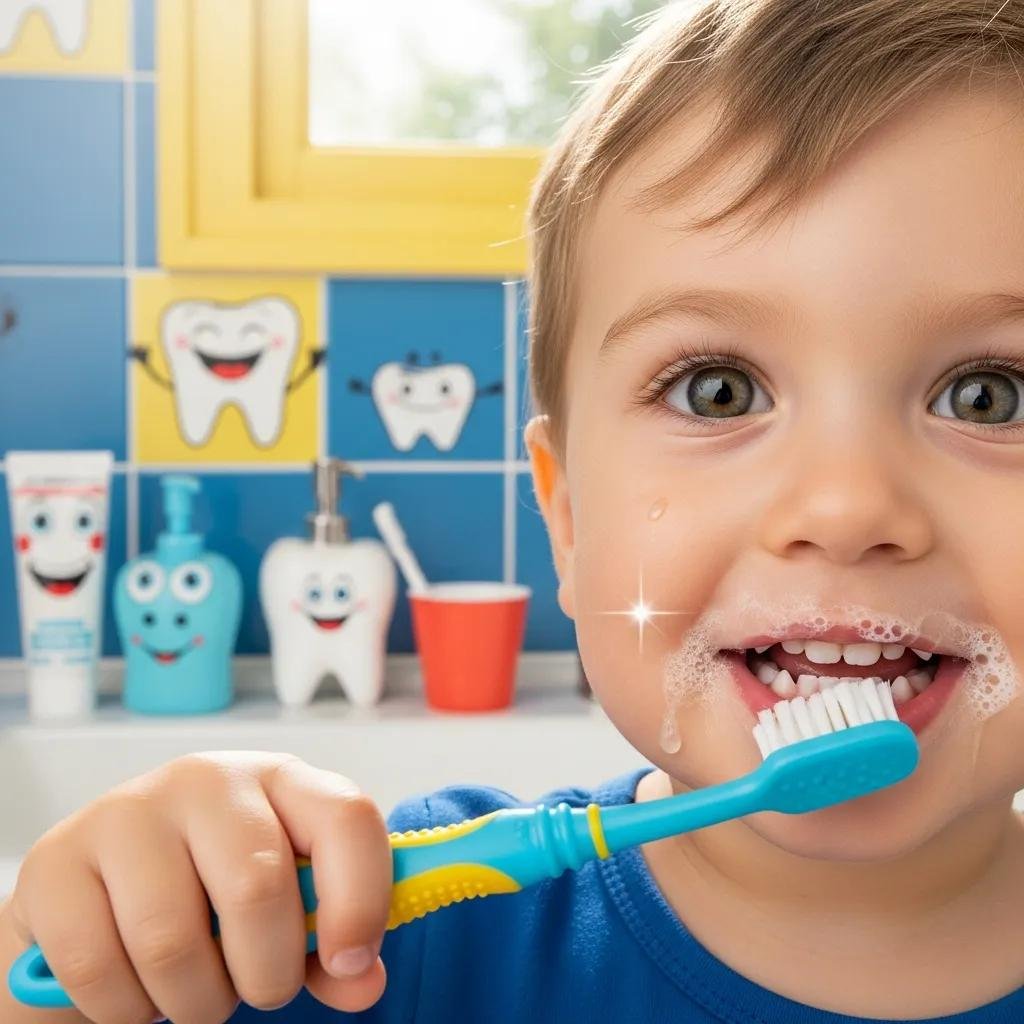
Primary (baby) teeth are necessary for chewing, speech and for maintaining space for permanent teeth. Losing them too early can lead to alignment issues and complicate the development of adult teeth, so preventive care and timely exams matter. Newsham Dental, a reputable Dentist in Rialto, emphasizes the importance of early dental visits to monitor and protect these vital teeth.
What Roles Do Baby Teeth Play in Speech and Development?
Baby teeth support correct articulation and mastication. They help children form sounds and contribute to normal jaw and facial growth, supporting communication and overall development.
How Does Early Loss of Baby Teeth Affect Permanent Teeth?
Premature loss can reduce space in the dental arch and increase the risk of malocclusion and other orthodontic problems. Preserving primary teeth until they are naturally lost helps ensure a smoother transition to the permanent dentition.
Clinical studies demonstrate that premature loss of primary teeth is associated with significant orthodontic challenges.
Impact of Premature Baby Tooth Loss on Orthodontic Health
Premature loss of primary teeth leads to loss of space within the dental arch which is most commonly associated with issues
Effects of premature primary tooth loss on midline deviation and asymmetric molar relationship in the context of orthodontic treatment, 2023
Is Fluoride Safe for Children? Debunking Fluoride Myths
Fluoride strengthens enamel and lowers cavity risk. When used appropriately—via toothpaste, water fluoridation, or professional applications—it is a safe, effective preventive tool endorsed by dental organisations. Newsham Dental, your trusted Dentist in Rialto, recommends fluoride treatments tailored to each child’s needs.
How Does Fluoride Prevent Tooth Decay in Kids?
Fluoride aids remineralisation, helps repair early lesions, and reduces bacterial acid activity. These actions support enamel resistance to decay, which is especially helpful for children at higher caries risk. If you’re interested in finding the right toothpaste for your child, click to read this article!
What Are the Recommended Fluoride Treatments for Pediatric Dental Care?
Topical fluoride varnishes and gels are commonly used for children at increased risk of cavities. A pediatric dentist can recommend the appropriate frequency and form of fluoride based on each child’s needs.
Does Sugar Alone Cause Cavities in Children? Understanding Kids' Dental Hygiene Myths
Dietary sugar contributes to cavities but is only one factor. Cavities arise from the interaction of sugars, oral bacteria, tooth susceptibility, and oral hygiene habits.
What Other Factors Contribute to Cavities Beyond Sugar?
Frequency of sugar exposure, inadequate brushing or flossing, and acidic drinks increase decay risk because bacteria convert sugars into enamel-eroding acids. Reducing frequent sugary snacks and maintaining good hygiene lowers that risk.
Further research highlights the direct correlation between sugar consumption patterns and the development of dental caries from early childhood.
Sugar’s Impact on Childhood Dental Caries
The aim of this study was to assess whether sugar-related feeding practices affect dental caries from early childhood to adolescence.
Sugar consumption and changes in dental caries from childhood to adolescence, MA Peres, 2016
How Can Proper Dental Hygiene Prevent Tooth Decay?
Consistent oral hygiene and routine dental care greatly reduce decay. Core practices include:
- Regular Brushing: Brush twice daily with fluoride toothpaste to remove plaque and food debris.
- Flossing: Floss daily to clean between teeth where brushes can’t reach.
- Routine Dental Visits: Regular check-ups allow early detection and prevention, and a Dentist in Rialto like Newsham Dental can provide expert care and advice.
Starting these habits early helps children maintain healthy teeth and gums long term.
How Can Dental Anxiety in Children Be Managed Effectively?
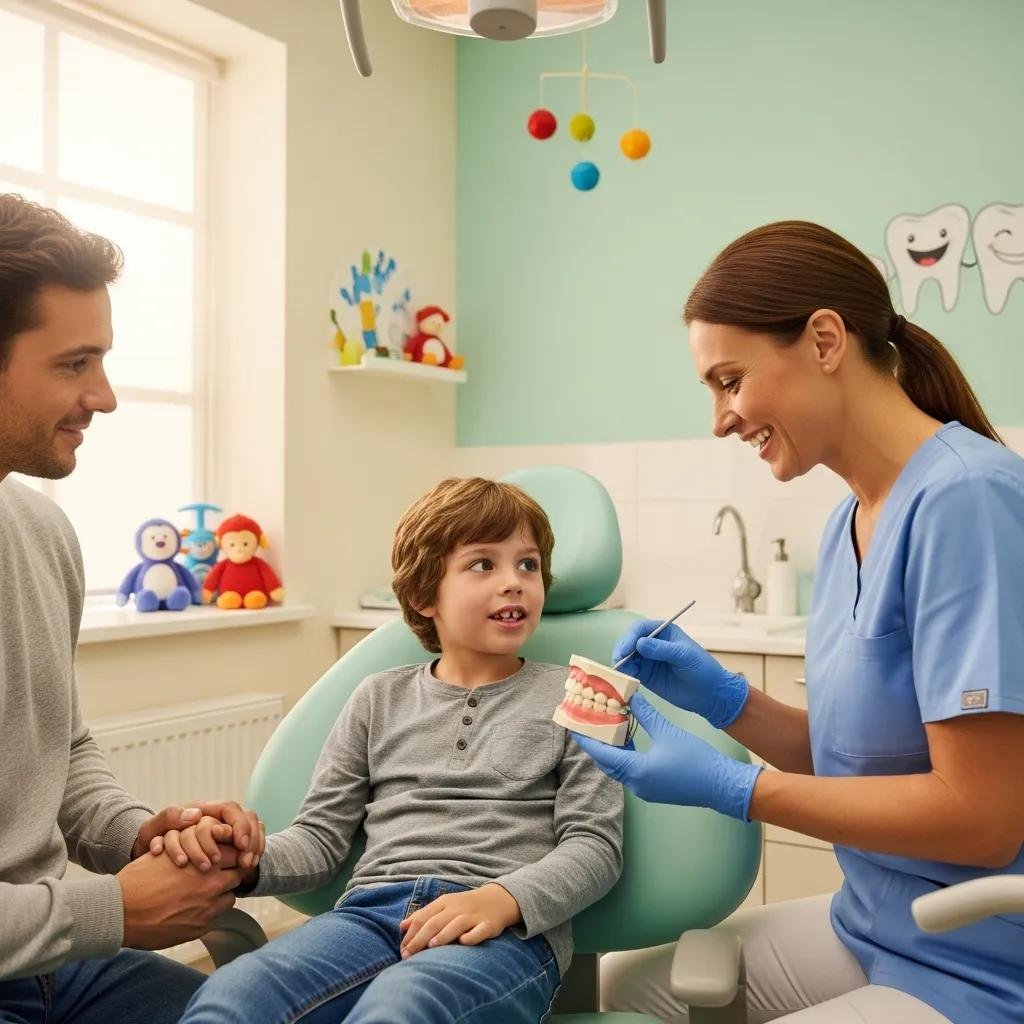
Dental anxiety is common and often stems from fear of the unknown or past negative experiences. Managing anxiety helps ensure children receive timely care with less distress. Dr David A Newsham, a leading Dentist in Rialto, employs gentle techniques to ease children’s fears and promote positive dental experiences.
Research further underscores the prevalence of dental anxiety in children and the importance of effective management strategies.
Reducing Dental Anxiety in Children: Psychological Methods
Anxiety in pediatric dental patients is a common phenomenon that can significantly impact both the effectiveness of dental treatment and the overall oral health of children. Studies indicate that a substantial percentage of children experience fear or anxiety related to dental visits, which can lead to avoidance and negative long-term consequences on dental health. This article reviews various psychological methods aimed at reducing anxiety in young dental patients, focusing on behavioral techniques, cognitive-behavioral strategies, communication approaches, and distraction methods. By implementing these psychological approaches, dental professionals can not only alleviate anxiety but also foster a positive attitude towards dental care in children, ultimately leading to better compliance and improved dental health outcomes.
PSYCHOLOGICAL METHODS FOR REDUCING ANXIETY IN PEDIATRIC DENTAL PATIENTS, 2025
What Gentle Care Techniques Help Anxious Pediatric Patients?
- Calm Communication: Use a soothing tone and simple explanations to build trust.
- Comfort Items: A familiar toy or blanket can provide reassurance during visits.
- Positive Reinforcement: Praise and small rewards encourage cooperation and confidence.
When Should Families Seek Pediatric Dental Care for Anxious Children?
Seek professional help if anxiety persists or worsens. Signs that specialised support may be needed include:
- Persistent Fear: Ongoing dread of dental visits that prevents care.
- Physical Symptoms: Crying, tantrums, or withdrawal during appointments.
- Behavioral Concerns: Anxiety that disrupts daily oral hygiene or attendance.
Timely intervention supports better dental outcomes and long-term oral health.
Frequently Asked Questions
What age should children start visiting the dentist?
Children should see a dentist by their first birthday or within six months of their first tooth. Early visits create a dental home, allow monitoring of growth, and provide preventive guidance; routine check-ups are typically every six months. A trusted Dentist in Rialto such as Newsham Dental can help establish this early dental care foundation.
How can parents encourage good dental hygiene habits in children?
Establish a consistent routine, use age-appropriate brushes and flavored fluoride toothpaste, set brushing times twice daily, and supervise flossing until children can do it well. Model good habits and use simple rewards to reinforce consistency.
Are there any dietary recommendations to support children's dental health?
A balanced diet with fruits, vegetables, whole grains and dairy supports strong teeth. Limit sugary snacks and acidic drinks. Encourage drinking water—fluoridated when available—to help clear food particles and lower cavity risk.
What should parents do if their child has a dental emergency?
Stay calm and act quickly. For a knocked-out tooth, rinse it and try to reinsert it or keep it in milk and seek immediate care. For severe pain, rinse with warm saline, apply a cold compress to reduce swelling, and contact a dentist promptly.
How can parents help their children cope with dental anxiety?
Explain visits positively and age-appropriately, role-play appointments at home, and use distraction like a favourite toy or music. If anxiety continues, consult a pediatric dentist for tailored strategies. Newsham Dental, a compassionate Dentist in Rialto, offers specialized support for anxious children.
What are the signs of dental problems in children?
Watch for persistent tooth pain, sensitivity, swollen or bleeding gums, visible cavities, difficulty chewing, or behavioural changes like avoidance. Regular check-ups help detect and treat problems early.
Conclusion
Clearing up myths about children’s dental health helps parents make better choices. Recognising the role of primary teeth, the benefits of appropriate fluoride use, and the value of good hygiene and anxiety management supports healthier smiles and lasting oral health. For expert care and guidance, trust a dedicated Dentist in Rialto like Newsham Dental to support your child’s dental journey.
